
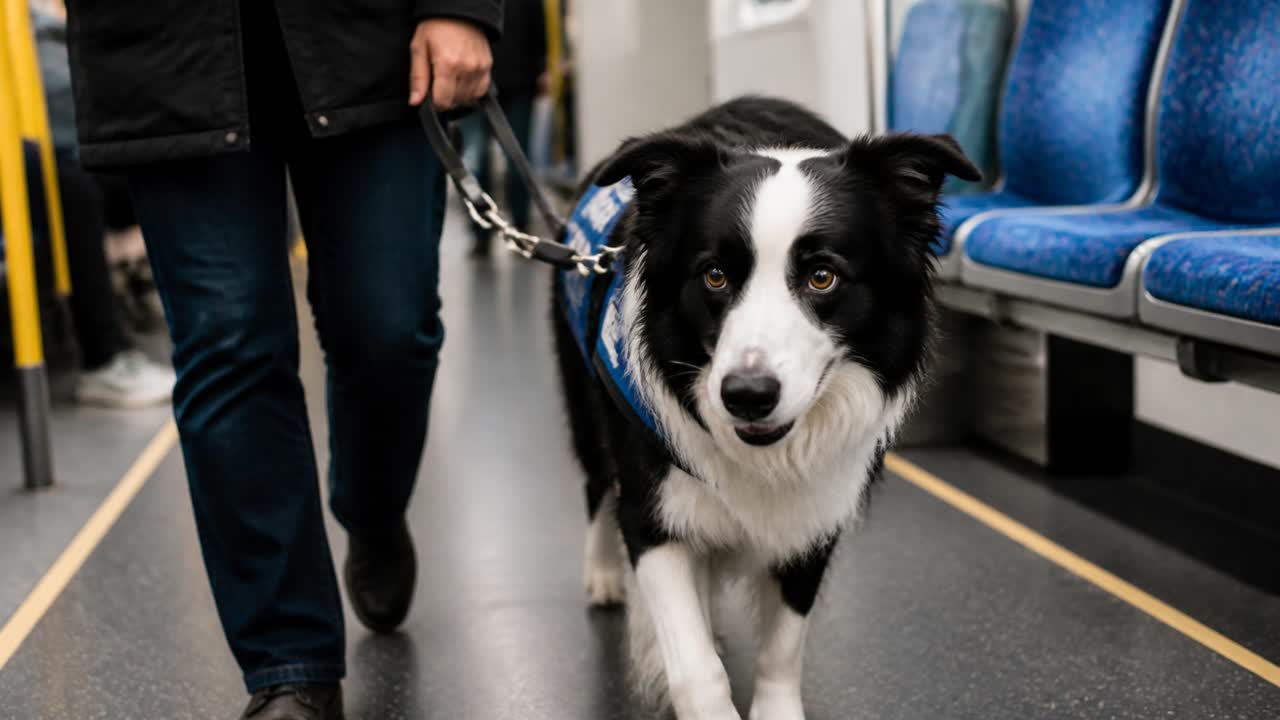
If you are bringing a service dog on a city bus, the short answer is usually yes: a properly trained service dog that assists a person with a disability is generally allowed to ride with its handler under U.S. disability-access rules.
This article is about local public transit like city buses, not air travel, housing, or emotional support animal rules. That difference matters because bus access usually turns on day-of-travel behavior and public access rules, not landlord paperwork or airline-specific policies.
Most bus rides go smoothly when the dog is calm, stays out of the aisle, and does not interfere with safety. Problems usually arise when staff is unsure what can be asked, when the dog is too large for the available space, or when a rider is challenged in front of other passengers.
Quick Overview
- A service dog is usually allowed on a city bus when it is individually trained to accomplish work or tasks for a person with a disability.
- Bus staff should not require a purchased registry, certificate, or ID card as a condition of boarding.
- Your dog still has to be under control and safe around crowded doors, wheels, noise, and tight seating.
- The dog should ride on the floor at your feet or in a safe spot that does not block the aisle, exit, or another rider’s access.
1) What Counts as a Service Dog on a City Bus?
For U.S. public-access purposes, a service dog is generally a dog trained to do specific work or tasks for a person with a disability. That can include guiding, alerting, retrieving, interrupting certain symptoms, providing balance support when appropriate, or performing another trained task related to the handler’s disability.
That definition is narrower than “well-behaved pet” and different from emotional support alone. A city bus driver is not evaluating your full medical history; the practical issue is whether the dog qualifies as a service animal under applicable regulations and whether it can ride safely in a public transit setting.
2) What Bus Drivers and Transit Staff can Usually Ask
When the need for the dog is not obvious, staff may ask only limited questions to confirm whether the dog is a service animal and what task or work it has been trained to perform. They generally may not ask about the nature of your disability, require the dog to demonstrate a task on the spot, or insist on special papers before letting you board.
This is where many riders get nervous. Bringing a neat folder, a short task description, or your own notes can help you stay calm, but those items are mainly for organization and communication. They are not a substitute for training, and they are not what creates access rights.
If you want extra peace of mind, practical preparation matters more than buying accessories. A calm dog, a concise explanation, and reliable manners in a crowd do more to reduce friction than most paperwork. Behavior is the real proof point, which is why many handlers focus on a behavior check before using busy transit regularly.
3) How to Board and Ride without Creating Safety Problems
City buses are noisy, crowded, and full of sudden movement. Your dog should be comfortable with braking, wheelchair ramps, strollers, standing passengers, and close quarters. If your dog startles easily or sprawls into the aisle, you may be technically eligible for access but practically unready for rush-hour transit.
The safest routine is simple: board under control, move efficiently, and place the dog at your feet, under the seat when appropriate and safe, or in another position that keeps exits and aisles clear. Most handlers do best with the dog tucked at their feet, under a seat when feasible, or in another low-profile position that keeps exits clear.
It also helps to practice before the hardest scenario. Start with a short, off-peak route. Treat city-bus riding like a public-access skill, not just a legal entitlement. If the dog can settle through noise, crowding, and delay, future rides become easier for everyone.
4) When Access can Still be Denied or Interrupted
Even a properly qualified service dog can be removed from the bus or denied a particular ride if the dog is out of control, not housebroken, or creates a direct safety issue that the handler cannot manage. Repeated barking, lunging, snapping, wandering into the aisle, or interfering with mobility devices can create serious safety concerns, particularly if the handler cannot regain control of the dog.
That does not mean a transit employee gets unlimited discretion. It means access is tied to behavior in the moment. If the dog is calm and task-trained, staff should focus on accommodation rather than suspicion. If there is a genuine issue, the response should be tied to the conduct, not to stereotypes about breed, size, or whether the dog is wearing special gear.
5) What to Say If a Driver Questions Your Dog
A short script is usually better than a long argument. Try something like: “Yes, he is a service dog required because of my disability. He is trained to [briefly describe the task].” That is often enough to move the interaction forward without oversharing.
If the driver insists on paperwork, stay calm. You can repeat that a purchased certificate or registry is not generally required for public access and that the dog is trained to assist you. Later, you can follow the transit agency’s complaint process and keep your notes focused on the facts.
This is also where scope matters. Public transit issues are different from housing requests, clinician letters, or workplace accommodation files. On a bus, the immediate questions are usually control, space, and consistent public behavior rather than long-form documentation.
6) Smart Records to Keep Even When They are Optional
You do not need to turn routine bus travel into a paperwork project, but a few organized records can make stressful encounters easier. Helpful examples include a simple task list, vaccination and veterinary records, training logs, and notes about successful public outings. These records may be useful for your own organization or to comply with generally applicable animal-health requirements, but they do not establish service-animal status under the ADA.
Some handlers also keep a one-page summary of commands, emergency contacts, and the dog’s work history for personal organization. That can be useful if a transit conflict escalates or if another caregiver may sometimes travel with the dog. Think of records as backup and clarity, not as permission slips.
For related guidance, see our regulations, service check, behavior check, and public access rules.
FAQs
Can a service dog sit on a bus seat?
Usually the safer default is the floor at your feet or another spot that does not block access. Transit agencies may have additional rules concerning where an animal may be positioned, but the dog should not obstruct aisles, exits, or other passengers.
Can a bus driver ask for papers for a service dog on city bus routes?
They generally may not require a purchased certificate, registry printout, or ID card as a condition of access. A limited number of questions about whether the dog is a service animal and what task it performs are more typical.
What if my dog is still in training?
Access for service dogs in training depends on state or local rules and sometimes transit-agency policy. Do not assume the same access applies everywhere until you verify it.
Can a large service dog be refused because the bus is crowded?
Size or breed alone generally is not a valid reason to exclude a service dog, but the dog must still be able to remain under control without creating an actual safety or access problem. In an extremely crowded situation, practical safety concerns may affect how the ride is handled.
Do I need a vest for bus travel?
No vest is universally required, though some handlers use one because it can reduce confusion. A vest can help with visibility, but it does not replace training or legal qualification.
Sources
- ADA.gov: Service Animals
- ADA.gov: Service Animals FAQ
- CDC: Dogs
- CDC: Pet Travel Safety
- HUD: Information for Persons with Disabilities
Takeaway
A service dog on a city bus is usually allowed when the dog is task-trained, under control, and able to ride safely in a crowded transit environment. The most useful preparation is not buying special paperwork. It is building reliable public behavior, knowing the basic rules, and handling questions calmly.
- Focus on task training, control, and calm bus manners first.
- Use optional records for organization, not as a substitute for qualification.
- If challenged, respond briefly, document the incident, and follow up through the transit agency.