
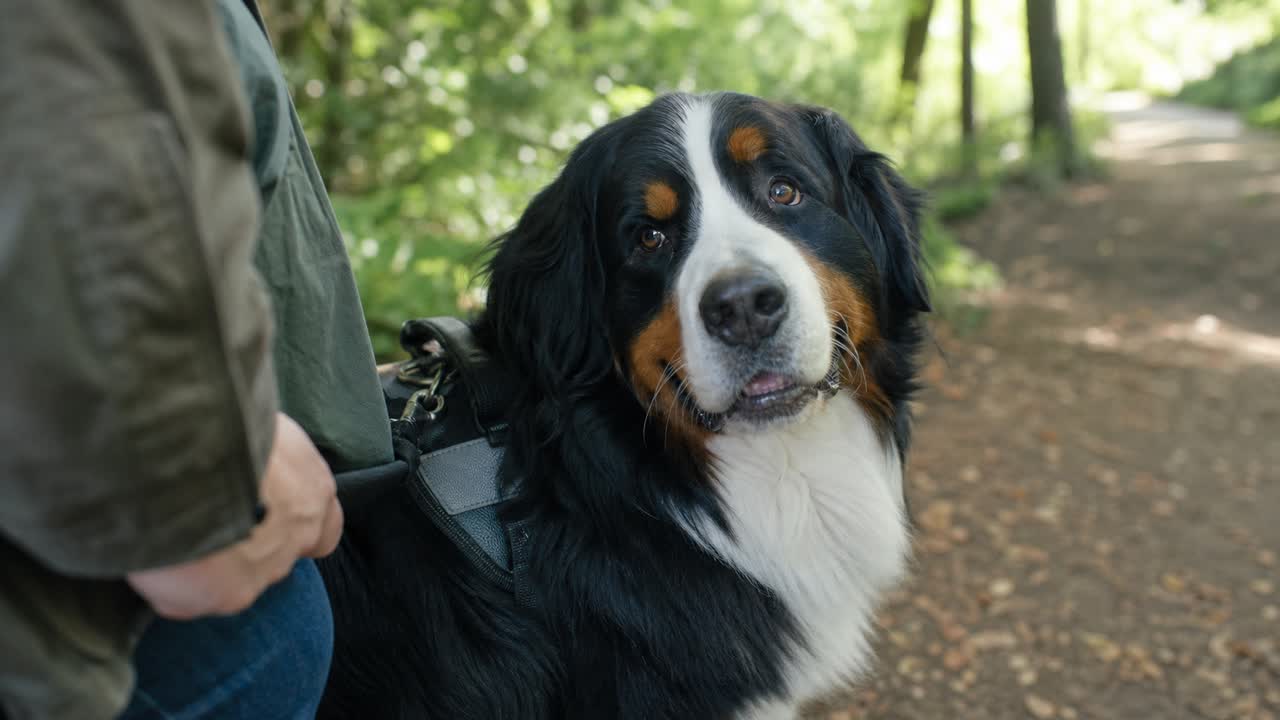
If you will have a service dog during cable technician visits, the main goal is usually not proving anything with paperwork. It is reducing stress, protecting the dog’s working focus, and helping the visit stay safe, calm, and brief.
This topic is narrower than general home-access disputes. A cable technician is entering your private living space to complete a service call, so the practical questions are usually where the dog should be, what the technician needs to know, and how to prevent door-dashing, barking, or interrupted task work.
In most situations, you can keep your service dog with you if that is what you need. At the same time, it is reasonable to manage distance, use a settled place command, or move to another room for a few minutes if that makes the work safer.
Quick Overview
- A service dog can usually remain with you during an in-home technician visit if the dog is under control.
- This is more about practical home coordination than about demanding public-access treatment inside your own residence.
- Tell the company ahead of time that you work with a service dog and note any safety needs at the door.
- Use management tools that fit your dog’s training, such as place, tethering, a gate, or a separate room during high-noise work.
1) Preparing for a Service Dog During Cable Technician Visits
Preparation usually solves most friction before anyone knocks. You do not need to overexplain, but it helps to mention anything that affects the work, such as “please wait while I secure the dog before opening the door” or “the dog may be lying beside my chair while we troubleshoot.”
It also helps to think through the kind of work being done. A simple modem swap is different from drilling, attic access, ladder work, or a technician entering and exiting multiple times. If the job will be noisy or involve open exterior doors, plan a backup setup in advance.
For general background on service-animal expectations and everyday compliance habits, the knowledge hub can be a useful starting point.
2) Where Your Dog Should Be During the Appointment
Many handlers do best with one of three setups: the dog remains in working position beside the handler, the dog settles on a designated mat within sight, or the dog waits behind a barrier while the technician moves through the home. The right choice depends on your disability-related needs and the dog’s training.
If your dog performs active tasks such as interruption, grounding, mobility support, or medical alert, complete separation may not be realistic. In that case, focus on controlled proximity. A calm down-stay, reliable recall, and no interest in tools or cords matter more than visible gear.
If your dog is still building reliability around visitors, it may be worth doing a quick service check of obedience, neutrality, and home-visitor behavior before scheduling complex appointments.
3) What to Say to the Technician at the Door
Keep it simple and practical. A short script often works best: “I use a service dog. He’ll stay with me and is under control,” or “I use a service dog, and I’m going to place her in the next room while you come in.” This gives the technician clear information without turning the visit into an argument.
If the worker seems unsure, stay focused on safety and workflow. You can point out where the dog will be, ask the technician to avoid petting or calling to the dog, and mention any task interruptions that may happen. Most people respond well when they know exactly what to expect.
This is also a good place to separate this topic from broader access disputes. A cable visit is not the same as bringing a service dog into a store, restaurant, or hotel. Inside your own home, the emphasis is usually on coordination, not confrontation.
4) Safety Issues to Think about before Work Begins
Technician visits can involve ladders, wall plates, loose cables, tools, dust, sharp items, and repeated door openings. Even a well-trained service dog may need more management than usual around unfamiliar movement and noise. If the dog startles at drills, alarms, or ceiling work, choose a setup that protects both the dog and the worker.
It is reasonable to ask the technician for a brief pause before opening doors or moving equipment. You can also request a heads-up before they leave and re-enter. If your dog uses food rewards, keep treats, bowls, and toys out of the technician’s path so nothing becomes a distraction.
Basic health and hygiene also matter. The CDC’s general dog guidance is helpful here: a clean, healthy, vaccinated dog is easier to integrate into real-world situations, including home service appointments.
5) Do You Need Paperwork, Records, or Identification?
Usually, no specific certificate, registry entry, or ID card is legally required just because a cable technician is visiting your home. That might include vaccination records, emergency contacts, a trainer note, task notes, or a short routine plan for home visitors.
A simple digital folder can be more useful than flashy identification. If you like keeping those details together, a record app may help you track health information, training notes, and appointment-related reminders in one place.
The most persuasive thing in real life is still a dog that stays under control, ignores equipment, and remains responsive to the handler.
6) What to Do If the Visit Becomes Difficult
If the technician says they are uncomfortable, start by asking what specifically is causing concern. The issue may be movement near tools, fear of dogs, or worry about entering and exiting. Sometimes a small adjustment solves it immediately, such as using a gate, moving to a different room, or pausing task work briefly while a door is open.
If the company later raises a complaint, document what happened while it is fresh. Note the date, technician name if available, work order, and what management steps you used. Keep the tone factual. That kind of record is more helpful than escalating emotionally, especially if you need to reschedule with accommodations noted more clearly on the account.
If your disability requires the dog to remain close, say that plainly and offer the safest workable setup. Clear communication and calm control usually get better results than trying to “win” the conversation.
For related guidance, see our knowledge hub, service check, public access guide, and record app.
FAQs
Can a service dog stay with me during a cable technician visit?
In many cases, yes, if the dog is under control and not creating a safety problem. The practical setup may vary depending on the work being done and your disability-related needs.
Is a service dog during cable technician visits a public-access issue?
Not usually in the same way as a store or restaurant visit. Because the work is happening inside your home, the main focus is coordination, safety, and allowing the technician to complete the service call.
Should I crate or isolate my dog automatically?
Not automatically. If your dog needs to stay close to perform tasks, controlled proximity may be better. If the work is noisy or involves repeated door openings, temporary separation may be the safer choice.
Do I need to show certification or an ID card?
Typically not. For this kind of appointment, organized records and a well-behaved dog are usually more useful than formal-looking identification.
What if the technician is afraid of dogs?
Ask what setup would help them work safely. A gate, leash, mat, or separate room may be enough. Try to solve the specific concern rather than turning it into a general legal dispute.
Sources
- ADA.gov: Service Animals
- ADA.gov: Service Animals FAQ
- CDC: Dogs
- CDC: Pet Travel Safety
- HUD: Information for Persons with Disabilities
Takeaway
A cable appointment usually goes best when you treat it as a planning and behavior issue, not a paperwork issue. If your service dog needs to stay with you, set up the visit so the dog can work safely and the technician can do the job without confusion.
- Tell the company in advance that you use a service dog and note any entry instructions.
- Choose the safest setup for the specific job: beside you, in place, or temporarily separated.
- Rely on calm communication, solid behavior, and organized records instead of assuming formal ID will solve the situation.