
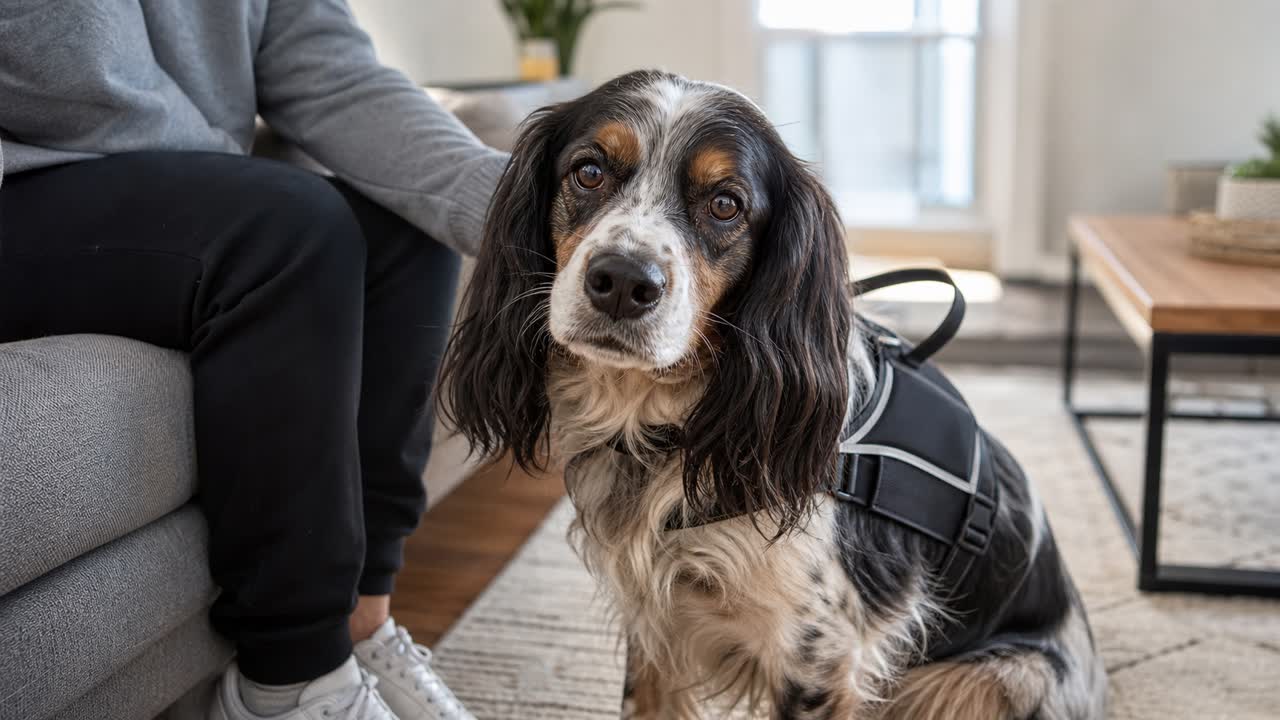
Scheduled alarm checks can be stressful, but a service dog during apartment fire alarm testing usually does best with a simple plan: know the testing window, protect the dog from panic, and prepare for a calm exit if the building requires one. The goal is not to “prove” anything with paperwork. It is to reduce noise-related stress while keeping the dog safe, controlled, and ready to work.
This topic is narrower than general evacuation planning. It is about routine apartment testing, not an active fire, and not broader access rules in stores or airports. Still, the same practical foundation matters: clear communication with housing staff, good behavior, and records that help explain your needs if a problem comes up.
If you are worried that alarm testing could interrupt task work, trigger fear, or create conflict with management, it helps to prepare early. A short written request, a backup handling plan, and realistic training steps often do more than any optional badge or certificate.
Quick Overview
- Ask management for the testing date, time window, and whether tenants must leave the unit.
- Plan around your dog’s noise sensitivity, task needs, and the safest exit route.
- Use calm practice sessions before testing day if your dog startles at loud sounds.
- Keep your dog leashed, under control, and focused on you in hallways and common areas.
1) Know What the Building is Actually Testing
Apartment alarm testing varies a lot. Some buildings run a brief panel test with little hallway disruption. Others trigger loud in-unit alarms, require unit entry, or ask residents to clear certain areas. Before the date arrives, ask for the exact schedule, whether testing will happen room by room, and whether elevators, stairwells, or common doors will be affected.
This matters because your plan may look very different if the alarm lasts thirty seconds versus fifteen minutes. If your dog performs interruption, grounding, balance, retrieval, or guide-related tasks, think through how those tasks may be affected by noise, congestion, or staff moving through the hall. If you are unsure whether your dog’s preparation is solid enough for this environment, a realistic self-check like service screening can help you organize what still needs work.
2) Ask for Practical Housing Communication Early
For apartment living, the most useful step is often a simple message to management before test day. Ask for the testing window, notice before staff enters, and any instructions about staying in place versus stepping outside. Examples include first-in-line testing so the stress is over quickly, a narrower time window, notice by text before your floor starts, or permission to wait in a quieter area until your unit is reached.
You do not need to turn this into a debate about symbols, patches, or registration status. Housing conversations usually go better when they stay focused on function, safety, and logistics. If management has questions about broader disability access principles, your own notes plus a clear understanding of housing-related public access guide concepts can help you explain the difference between a well-controlled working dog and a pet in a stressful building event.
3) Managing a Service Dog During Apartment Fire Alarm Testing
On the day itself, keep the routine boring and predictable. Feed and walk the dog early if possible. Bring the gear you normally use, plus high-value rewards if those help maintain focus. Close windows, secure loose items, and decide in advance where you will stand when the alarm starts.
If your dog startles, your first job is calm handling, not perfect performance. If your dog is still learning to recover from loud sounds, shorten the exposure when you can and reset once the test ends. A service dog does not need to look emotionless; the standard is that the dog remains manageable and can return to working behavior.
After the test, note what happened. Did the dog freeze, vocalize, pull, recover quickly, or miss tasks? Those observations are more useful than generic assumptions. They tell you what to practice before the next drill or inspection.
4) Build Records that Reduce Friction
There is usually no single document that solves every apartment issue, and many situations do not require formal proof beyond a straightforward conversation. Still, organized records can make life easier. Helpful examples include a dated training log, a short task list, vaccination and routine care records, and copies of any housing-related communication with management.
If your disability accommodation request involves timing, access, or building procedures, keep the request and response in writing. That creates a clean record without making the article revolve around buying paperwork. Optional IDs or certificates may help some handlers stay organized, but they are not the core issue here. In most real-world apartment situations, steady behavior and consistent records matter more.
5) Prepare for Hallways, Neighbors, and Staff Interaction
Testing days can create exactly the kind of chaotic hallway traffic that exposes weak spots in public behavior. Even though this is a housing situation, not a restaurant or store, your dog still needs polite leash manners, quiet passing behavior, and reliable response around strangers. That is especially true if maintenance staff enter the unit or if neighbors crowd the exit.
Practice the pieces separately: waiting at the door, moving through narrow halls, ignoring other dogs, and settling once outside. If your dog also works outside the home, it can help to review a broader air travel guide or other scenario-specific rules separately so this article does not blur into travel preparation. The point here is apartment testing readiness, not every access setting at once.
6) Know When the Issue is Training, and When It is Accommodation
Not every problem is legal, and not every problem is training. If your building gave no notice, entered unexpectedly, or refused a reasonable scheduling conversation, that may be a housing communication problem. If your dog becomes unreachable, lunges, or cannot recover after repeated practice, that is a training problem to address before the next drill.
Separating those issues helps you respond clearly. Ask management for better notice when notice is the problem. Work on desensitization, handler timing, and recovery skills when behavior is the problem. A calm, realistic approach protects both your housing relationship and your dog’s working reliability.
For related guidance, see our regulations, service screening, public access guide, and air travel guide.
FAQs
Can I keep my service dog with me during apartment alarm testing?
Usually yes, but the safest approach depends on the building’s instructions and your dog’s behavior. Ask management ahead of time whether tenants must remain in place, exit temporarily, or allow staff entry during the test.
Is a service dog during apartment fire alarm testing treated the same way as a pet?
Not necessarily. In housing, service animals and other assistance animals are often handled under disability accommodation principles rather than ordinary pet rules. Still, the dog must remain under control and not create a safety problem.
Do I need a certificate or ID for this situation?
Typically no. What usually helps more is clear communication, calm handling, and practical records such as training notes, housing emails, and task information when relevant.
What if my dog is afraid of the alarm?
That is a training and management issue to take seriously. Start with short, structured sound work if appropriate, avoid flooding the dog, and track recovery time after each exposure. If fear is intense, get qualified training support before the next building test.
Can my landlord ask questions about my dog?
Housing questions are not always identical to public business questions under the ADA. Keep the conversation focused on the animal’s role, your accommodation needs, and the building process rather than on optional gear or labels.
Sources
- ADA.gov: Service Animals
- ADA.gov: Service Animals FAQ
- CDC: Dogs
- CDC: Pet Travel Safety
- HUD: Information for Persons with Disabilities
Takeaway
A routine building test does not have to derail a working partnership. The best plan is simple: get the details early, prepare your dog for the noise and movement, and keep your housing communication practical and well documented.
- Ask for timing, entry details, and any building-specific instructions before test day.
- Use training notes and written housing communication to reduce avoidable friction.
- Focus on calm control, recovery, and safety instead of relying on optional labels or paperwork.