
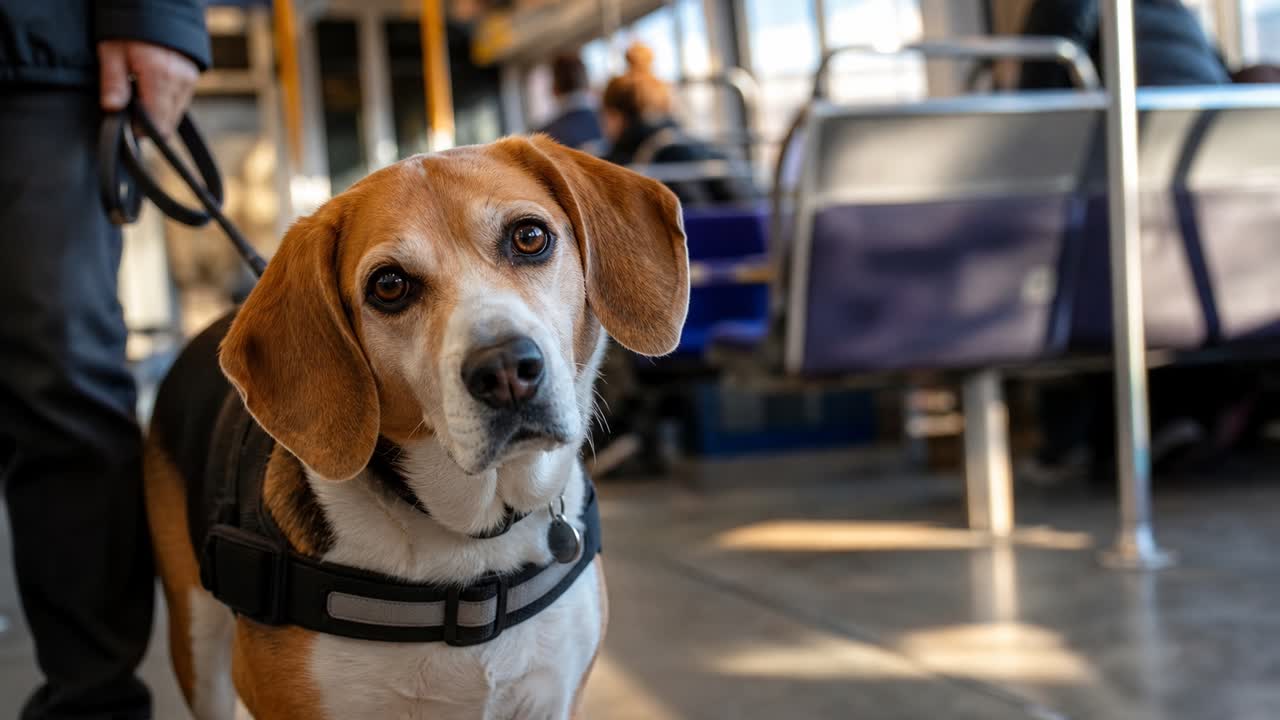
Winter paw protection for service dogs is essential to maintaining their health and comfort during the colder months. Service dogs often accompany their handlers outdoors in all weather conditions, which means their paws are exposed to snow, ice, salt, and other potentially harmful elements. Taking proactive steps to protect their paws helps ensure these dogs can perform their tasks safely and effectively.
Unlike pets that may stay indoors during harsh weather, service dogs must remain ready to work, making winter paw care a practical necessity. This article provides a detailed guide to protecting service dogs’ paws in winter, covering everything from preventive measures to managing common winter paw issues.
Proper winter paw protection for service dogs not only keeps their physical well-being safe but also supports compliance with public access guidelines by reducing the risk of injury or discomfort that could affect their performance.
Quick Overview
- Winter paw protection helps prevent injuries caused by ice, snow, salt, and cold temperatures.
- Regular paw inspections and cleaning after outdoor activities are crucial.
- Using paw balms or waxes can provide a protective barrier against harsh elements.
- Paw boots may be used but are not legally required; acclimation and proper fit are important.
- Trimming fur between paw pads reduces ice buildup and improves traction.
- Salt and de-icing chemicals can irritate paws; rinsing paws after walks minimizes exposure.
- Maintaining paw health supports a service dog’s ability to perform tasks reliably.
- Consulting with a veterinarian or qualified clinician ensures tailored care for individual dogs.
1) Understanding the Importance of Winter Paw Protection for Service Dogs
Service dogs are coached to assist individuals with disabilities and often accompany their handlers in all weather conditions, including winter. Their paws are exposed to cold surfaces, ice, snow, and chemical de-icers, all of which can cause discomfort or injury. Protecting their paws is essential to prevent cuts, cracks, frostbite, and irritation that could impair their mobility and task performance.
Unlike typical pets, service dogs’ outdoor exposure is often non-negotiable, making winter paw care a critical part of their routine. This care supports compliance with public access guide recommendations by ensuring the dog remains healthy and able to work in diverse environments.
2) Regular Inspection and Cleaning of Paws
After each outdoor excursion, it’s important to inspect your service dog’s paws for signs of injury, irritation, or trapped debris such as ice balls or salt crystals. Gently cleaning the paws with warm water helps remove harmful substances. This practice reduces the risk of chemical burns from road salt and prevents infections caused by cuts or abrasions.
Keeping a log of paw inspections can be part of responsible documentation and is useful for discussions with your veterinarian or service dog program evaluators.
3) Protective Paw Balms and Waxes
Applying paw balms or waxes before going outside generates a protective barrier that helps shield paws from moisture and irritants. These products can reduce cracking and dryness caused by cold air and salt exposure. When selecting a balm, ensure it is safe for dogs and free from harmful chemicals.
Using such products aligns with practical care recommendations and can be noted in your service dog’s care records, supporting ongoing health management.
4) Paw Boots: Considerations and Best Practices
Paw boots can offer additional protection against extreme cold, ice, and salt. However, they are not legally required for service dogs and may not be suitable for all dogs. Proper fit and gradual acclimation are important to prevent discomfort or interference with the dog’s tasks.
If you choose to use boots, monitor your dog’s behavior closely and consult with a qualified clinician or trainer to ensure the boots do not hinder performance. This approach reflects a balanced view consistent with best practices service screening.
5) Trimming Fur and Maintaining Paw Hygiene
Long fur between paw pads can trap ice and snow, increasing the risk of discomfort and slipping. Regularly trimming this fur helps reduce ice buildup and improve traction on slippery surfaces. Additionally, keeping nails trimmed supports proper gait and balance during winter walks.
Maintaining hygiene and grooming routines contributes to overall paw health and reduces the likelihood of winter-related paw problems.
6) Managing Exposure to Salt and De-Icing Chemicals
Salt and de-icing chemicals commonly used on sidewalks and roads can cause irritation or burns on dogs’ paws. To minimize exposure, avoid heavily salted areas when possible and rinse paws promptly after walks. Utilizing warm water and a gentle cloth or pet-safe wipes helps remove residues.
Documenting these preventive measures can be helpful in conversations with landlords or transportation providers when discussing your service dog’s needs, as outlined in the knowledge hub resources.
7) Consulting Professionals and Maintaining Documentation
Regular check-ups with a veterinarian ensure your service dog’s paw health is monitored and any issues are addressed promptly. If your dog has specific medical conditions affecting their paws, a qualified clinician can recommend tailored protective strategies.
Maintaining records of veterinary visits, paw care routines, and any accommodations discussed with landlords or employers supports responsible management of your service dog. This documentation can also facilitate smoother interactions in housing or workplace settings, as discussed in our app tools designed for service dog handlers.
FAQs
Q: Is winter paw protection legally required for service dogs?
A: No, winter paw protection, such as boots or balms, is not legally required. However, it is highly recommended to maintain the dog’s health and ability to perform tasks safely during winter conditions.
Q: Can I use paw boots for my service dog in public places?
A: Yes, paw boots can be used, but they are not mandatory. Ensure the boots fit well and do not interfere with your dog’s work. Gradual acclimation is important to avoid distraction or discomfort.
Q: What should I do if my service dog’s paws get irritated by salt?
A: Rinse the paws with warm water as soon as possible to remove salt and chemicals. Applying a protective balm before walks can also help prevent irritation.
Q: How often should I check my service dog’s paws in winter?
A: It’s best to inspect paws after every outdoor activity to catch any injuries, ice buildup, or irritation early.
Q: Are there any grooming tips specific to winter paw care?
A: Yes, trimming fur between the pads and keeping nails short helps prevent ice accumulation and improves traction on slippery surfaces.
Q: Can I use any paw balm or wax on my service dog?
A: Use only products formulated for dogs that are free from harmful chemicals. Consult your veterinarian for advice suited to your dog’s needs.
Q: How can I document winter paw care for my service dog?
A: Keep records of paw inspections, grooming, veterinary visits, and any protective measures used. This documentation supports responsible care and can be useful in housing or workplace discussions.
Sources
Takeaway
Winter paw protection for service dogs is a practical and necessary aspect of their care that supports their health and task performance during cold weather. By adopting preventive measures and maintaining proper documentation, handlers can ensure their service dogs remain comfortable and effective in all environments.
- Regularly inspect and clean paws after outdoor exposure.
- Use protective balms or paw boots as appropriate, focusing on comfort and fit.
- Maintain grooming and document care to support compliance and reduce friction in housing or public access situations.