
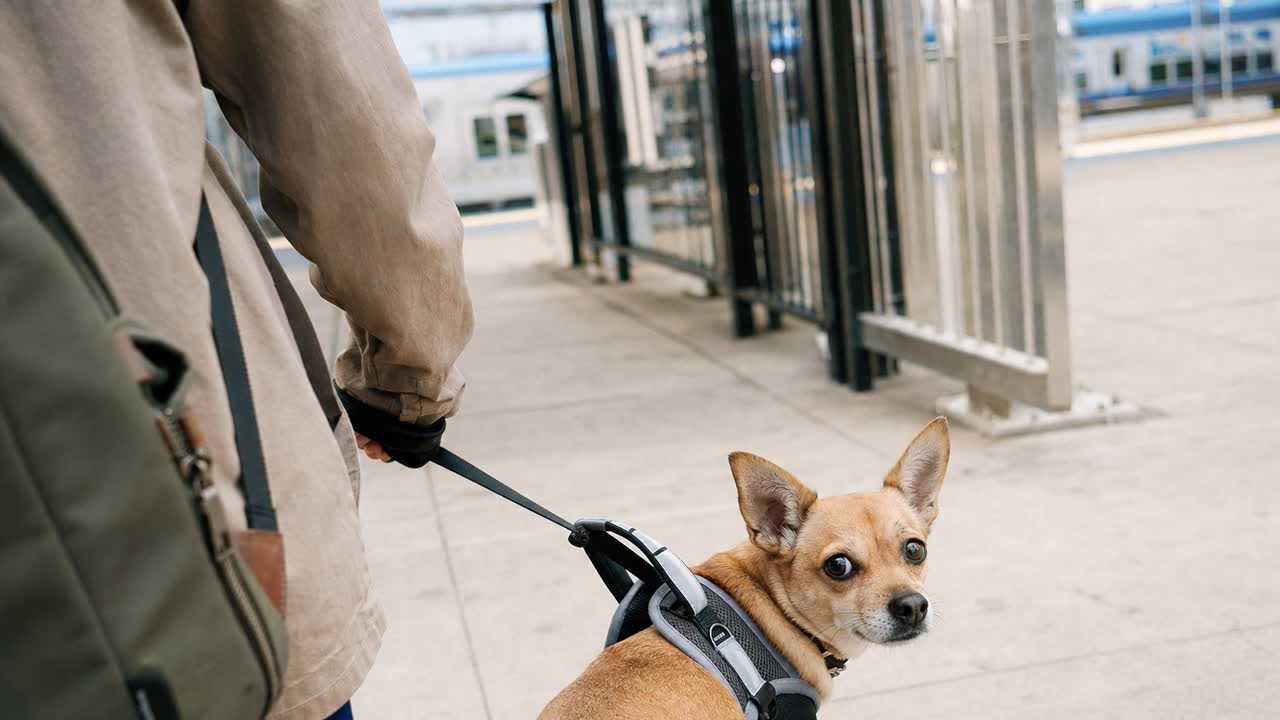
School bus rules for service dogs are designed to ensure the safety and comfort of all students while accommodating the rights of individuals with disabilities. These rules balance the need for accessibility with practical considerations for bus drivers, other passengers, and school staff. Understanding these guidelines can help families, schools, and transportation providers navigate service dog access smoothly.
Service dogs are recognized under federal laws, including the Americans with Disabilities Act (ADA), which compels reasonable accommodations for individuals with disabilities, including on school buses. However, specific policies may vary by school district and state, so it is important to be familiar with local regulations and communicate clearly with school officials.
This article outlines key points on school bus rules for service dogs, including transportation policies, behavioral expectations, documentation, and strategies to reduce potential conflicts during travel.
Quick Overview
- Service dogs are generally allowed on school buses under ADA protections, but must not disrupt safe transportation.
- School districts may require prior notice and coordination to accommodate a service dog on a bus.
- Service dogs should be well-behaved, under control, and not pose a safety risk during the ride.
- Drivers and staff can ask only limited questions to verify the dog’s status and the handler’s need.
- Providing information about the service dog’s role can help elucidate the necessity of the service dog for transportation.
- Schools may establish specific seating arrangements or procedures to ensure comfort for all students.
- Service dogs must be clean, vaccinated, and trained to behave appropriately in a school bus environment.
- Parents and guardians should communicate early with transportation officials to avoid last-minute issues.
1) Legal Framework for Service Dogs on School Buses
The Americans with Disabilities Act (ADA) offers the primary federal guidance on service animals, including those on school buses. Under the ADA, service dogs that are trained one by one to execute tasks for a person with a disability are permitted to accompany their handlers in public transportation settings, including school buses. This means schools must make reasonable accommodations to permit service dogs unless the dog’s presence would fundamentally alter the nature of the service or represent a straightforward threat to health or safety.
School districts also follow state and local education laws that may offer additional protections or requirements. It is fundamental to be aware that emotional support animals (ESAs) do not have an identical legal position as service dogs under the ADA and may not be permitted on school buses.
2) Coordination with School Transportation Officials
To ensure a smooth experience, families should notify the school transportation department well in advance if a student will be bringing a service dog on the bus. This allows the school to prepare by informing the driver, arranging appropriate seating, and addressing any concerns from other students or parents.
Some schools may request information from a healthcare provider regarding the student’s disability and the need for the service dog during transportation. While not always legally required, sharing relevant details can help reduce misunderstandings and streamline accommodations.
3) Behavior and Control Expectations for Service Dogs
Service dogs on school buses must be under the handler’s control at all times. They should be trained to remain calm, quiet, and well-behaved in the confined and sometimes noisy environment of a bus. Excessive barking, jumping, or aggressive behavior can create safety risks and may be grounds for denying access.
Handlers are responsible for managing their service dogs and minimizing any disruption to other passengers. This includes ensuring the dog does not block aisles or emergency exits and remains seated or appropriately positioned during the ride.
4) Allowed Inquiries and Documentation
Bus drivers and school staff may ask only two questions to determine if a dog is classified as a service animal: (1) Is the dog a mandatory service animal due to a disability? and (2) What task or work has the dog been trained to perform? They cannot request documentation, require the dog to demonstrate tasks, or inquire about the nature of the disability.
However, providing a letter from a qualified clinician or a clear task list can be helpful during initial coordination with the school and transportation department. Maintaining records of the dog’s training, vaccinations, and behavior evaluations can also support ongoing access.
5) Health and Safety Considerations
Schools must balance accommodating service dogs with health and safety concerns. Service dogs should be clean, free of parasites, and up to date on vaccinations to protect other students and staff. Handlers should also be prepared to clean up after their dog if necessary.
In some cases, allergies or fears among other students may require schools to develop seating plans or other measures to minimize contact while respecting the rights of the service dog handler.
6) Reducing Travel Friction and Conflict
Open communication between families, school officials, and bus drivers is key to preventing misunderstandings. Providing clear information about the dog’s training, behavior, and the student’s needs can help build trust.
Using tools like our app to organize documentation and communicate with school staff can be beneficial. Schools may also offer training or informational sessions for transportation staff to increase awareness of service dog rules and best practices.
7) Handling Disputes and Complaints
If conflicts arise regarding a service dog on a school bus, families should first seek to resolve issues through direct communication with school administrators and transportation officials. Sharing relevant information about the student’s needs and the dog’s role can be helpful in these discussions.
If resolution is not possible at the local level, complaints can be filed with the U.S. Department of Education’s Office for Civil Rights or the U.S. Department of Justice, which enforces ADA compliance in educational settings.
For related guidance, see our regulations and service check.
For related guidance, see our public access rules and our app.
FAQs
Can a service dog ride on a school bus with a student?
Yes, under the ADA, service dogs trained to support individuals with disabilities are generally allowed to accompany their handlers on school buses, provided the dog behaves appropriately and does not disrupt safe transportation.
Are emotional support animals allowed on school buses?
Emotional support animals do not have identical legal coverage as service dogs under the ADA and are typically not permitted on school buses unless the school has a specific policy allowing them.
What questions can a bus driver ask about a service dog?
Drivers may only inquire if the dog is a mandatory service animal due to a disability and what functions the dog has been trained to perform. They cannot request proof or details about the disability.
Is a doctor’s note required to bring a service dog on a school bus?
A doctor’s note or other documentation is not always legally required, but can be useful for coordinating accommodations and reducing potential conflicts.
What should I do if other students are allergic to the service dog?
Schools should work to find reasonable solutions, such as seating arrangements or cleaning protocols, to accommodate both students with service dogs and those with allergies.
Can a service dog be denied access if it misbehaves on the bus?
Yes, if a service dog is out of control or poses a direct threat to safety, the school may deny access until the issue is resolved.
Who is responsible for cleaning up after a service dog on the bus?
The handler is accountable for cleaning up any waste or messes made by the service dog during transportation.
How can I prepare my service dog for riding the school bus?
Training the dog to remain calm, quiet, and well-behaved in confined spaces is essential. Familiarizing the dog with the bus environment before regular rides can help reduce stress and disruptions.
Sources
Takeaway
Understanding school bus rules for service dogs helps ensure safe, respectful transportation for all students while upholding the rights of individuals with disabilities.
- Advance communication and sharing relevant information ease accommodation processes.
-
Service dogs must be well-trained and under control to ensure safety on the bus.
- Schools and families should collaborate to address health, safety, and behavioral concerns proactively.
For more detailed information on regulations and to assist with service checks, resources, such as public access rules and our app, can provide practical support.