
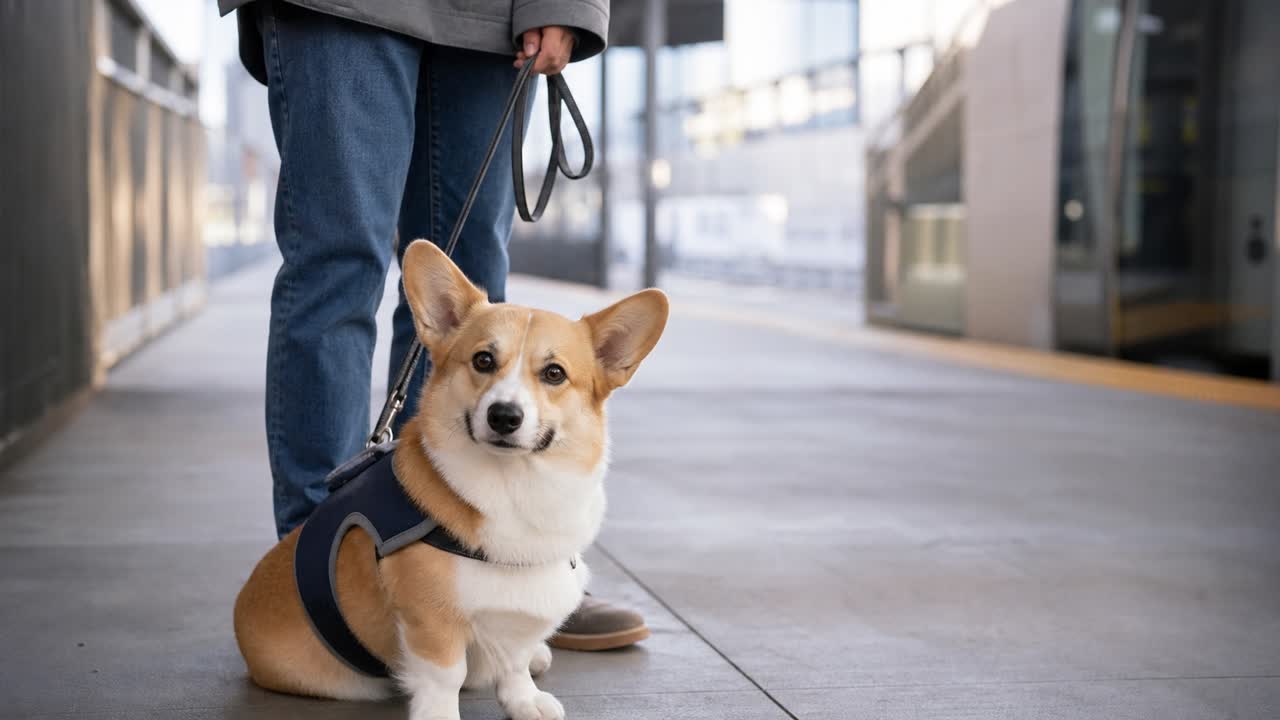
A service dog shelter-in-place plan for apartment residents should cover more than food and flashlights. It should also protect the dog’s working routine, preserve access to medication and supplies, and make it easier to stay safe during weather events, utility outages, smoke conditions, civil emergencies, or building lockdowns.
For most apartment households, the goal is simple: stay put safely for 24 to 72 hours without losing the dog’s ability to perform trained tasks. That means thinking through relief breaks, elevator failures, backup water, noise stress, and how to communicate with management if normal building rules temporarily become harder to follow.
This article is narrowly about in-place apartment emergency planning, not public-access disputes, travel rules, or buying paperwork. If your issue is housing communication more broadly, start with practical housing guidance. If your situation involves an emotional support animal rather than a task-trained service dog, that is a separate housing lane and may require different documentation, which is why ESA screening should not be confused with this service-dog checklist.
Quick Overview
- Plan for 24 to 72 hours indoors, especially if elevators, laundry rooms, or outdoor relief routes may be unavailable.
- List the dog’s trained tasks and what supplies are needed to keep those tasks working during a disruption.
- Store food, water, medication, waste bags, cleaning items, and backup gear in one easy-to-grab place.
- Decide in advance where the dog will rest, relieve itself if needed, and decompress during loud building events.
1) Start with Your Apartment’s Actual Risks
A good plan begins with your building, not a generic pet checklist. Apartment residents deal with shared hallways, alarms, neighbors, and management rules that can complicate emergencies. Think about what changes if the power goes out, the elevator stops, the stairwell fills with people, or authorities ask residents to remain inside.
Make a short building-specific list: floor level, elevator dependence, nearest exit stair, backup lighting, indoor temperature concerns, and whether your dog can work around crowding or alarm noise. This is also a good place to review general living advice that helps make everyday apartment routines more resilient before anything goes wrong.
If your dog performs tasks related to mobility, psychiatric interruptions, medical alerts, or balance, note exactly what conditions could interfere with those tasks inside a small apartment. A shelter-in-place plan works best when it is built around real daily functioning, not just a bag of supplies.
2) Build the Service Dog Shelter-in-Place Plan for Apartment Residents around Task Continuity
The dog’s role should stay clear during an emergency. Write down the trained tasks your dog performs and what helps maintain them. For example, a medical alert dog may need a quiet sleep space close to you, while a mobility dog may need pathways kept clear of stored water, batteries, and other supplies.
Also write down what does not change. Your dog still needs predictable handling, water, meals, medication if prescribed, and rest. If stress causes the dog to miss cues, include a simple reset routine such as leash-up, settle mat, water break, and a low-distraction task review.
If you use identification items for convenience, treat them as optional organization tools, not legal proof. In most U.S. settings, calm behavior, clear task performance, and appropriate handling matter more than certificates or cards.
3) Pack a Realistic 72-Hour Apartment Kit
Your emergency kit should support both survival and function. Store three days of the dog’s food, potable water, bowls, any medication, a spare leash, waste bags, paper towels, cleaning spray safe for your flooring, and a familiar blanket or mat. Add copies of vaccination records, microchip information, veterinary contacts, and a short medication list.
Apartment residents should also think about indoor mess management. If outdoor relief is delayed, you may need a backup surface approved for temporary use, plus odor control and cleanup supplies. Keep these together so you are not searching closets in the dark.
Digital organization helps here. A secure record app can make it easier to pull up key records, task notes, and contact information if your paper copies are misplaced or you need to show limited, relevant information quickly.
4) Plan for Relief, Exercise, and Stress Inside a Shared Building
One of the biggest apartment-specific problems is relief access. If smoke, flooding, police activity, extreme heat, or structural concerns keep residents indoors, your dog may need a temporary indoor solution. Prepare that solution before you need it. Waiting until the hallway is blocked is too late.
Exercise also changes. During shelter-in-place periods, replace long walks with short indoor work: scent games, place training, calm obedience reps, or task rehearsal that does not overstimulate the dog. The point is not to create a perfect enrichment program. It is to prevent preventable stress, barking, pacing, or task drift.
If your dog is sensitive to alarms or neighbor noise, add comfort tools you already know work, such as white noise, a covered crate if appropriate, or a practiced settle station away from the front door. Do not introduce major new equipment during the crisis if your dog has never used it before.
5) Prepare Brief Housing Conversations before You Need Them
You do not need a speech for every scenario, but you do need a calm script.
For housing issues, the discussion is usually about logistics, safety, and reasonable communication, not public-access gatekeeping. Keep messages short and factual. If the building needs emergency contact details, give those. If you need temporary flexibility around relief timing or stair access, ask early and document the response.
Records can help with organization and smoother conversations, especially in housing contexts, but they should support the discussion rather than substitute for responsible handling. Think in terms of vaccination records, medication instructions, task notes, and contact information, not marketplace-style proof.
6) Practice Once before the Next Real Emergency
A plan on paper is helpful. A rehearsed plan is much better. Try one short drill: turn off the lights, use your backup supplies, walk the indoor route you would use, and see whether your dog can settle, work, and rest without confusion. You will quickly notice what is missing.
Check small details that matter in apartments: can you reach supplies with one hand, is the leash where it should be, can your dog pass safely through a cluttered hallway, and do you have enough water for both of you? Update the plan after every drill or real disruption.
The best apartment emergency plan is usually quiet, boring, and easy to repeat. That is exactly what you want when a stressful day hits.
FAQs
Do apartment residents need a formal written service dog shelter in place plan?
Not by default, but a written plan is practical. It reduces confusion, helps caregivers or family members step in, and keeps important details together during a stressful event.
What should a service dog shelter in place plan for apartment residents include first?
Start with the dog’s trained tasks, a 72-hour supply kit, relief options, medication instructions, and a simple communication plan for building management if access routines change.
Can a landlord require special service dog certification during an emergency?
In the U.S., housing questions depend on the setting and the applicable rules, but emergency planning should stay focused on safety and reasonable communication. Certificates and IDs are not the core issue in a shelter-in-place situation.
What if my dog cannot relieve outdoors for many hours?
Prepare an indoor backup option in advance and train for it calmly. Also keep cleanup supplies ready so you can manage the situation without creating building conflict.
Should I keep medical and vaccination records in my apartment kit?
Yes. Those records can be useful for emergency care, temporary relocation, or quick clarification if someone responsible for the building asks for practical safety information.
Sources
- ADA.gov: Service Animals
- ADA.gov: Service Animals FAQ
- CDC: Dogs
- CDC: Pet Travel Safety
- HUD: Information for Persons with Disabilities
Takeaway
A strong apartment shelter-in-place plan keeps your service dog working safely under boring, stressful, real-world conditions. Focus on task continuity, supplies, relief logistics, records, and calm communication rather than on formal-looking paperwork.
- Build the plan around your dog’s actual trained tasks and your building’s real constraints.
- Keep a 72-hour kit with food, water, medication, cleanup supplies, and organized records.
- Practice once before an emergency so the routine feels familiar when you need it.