
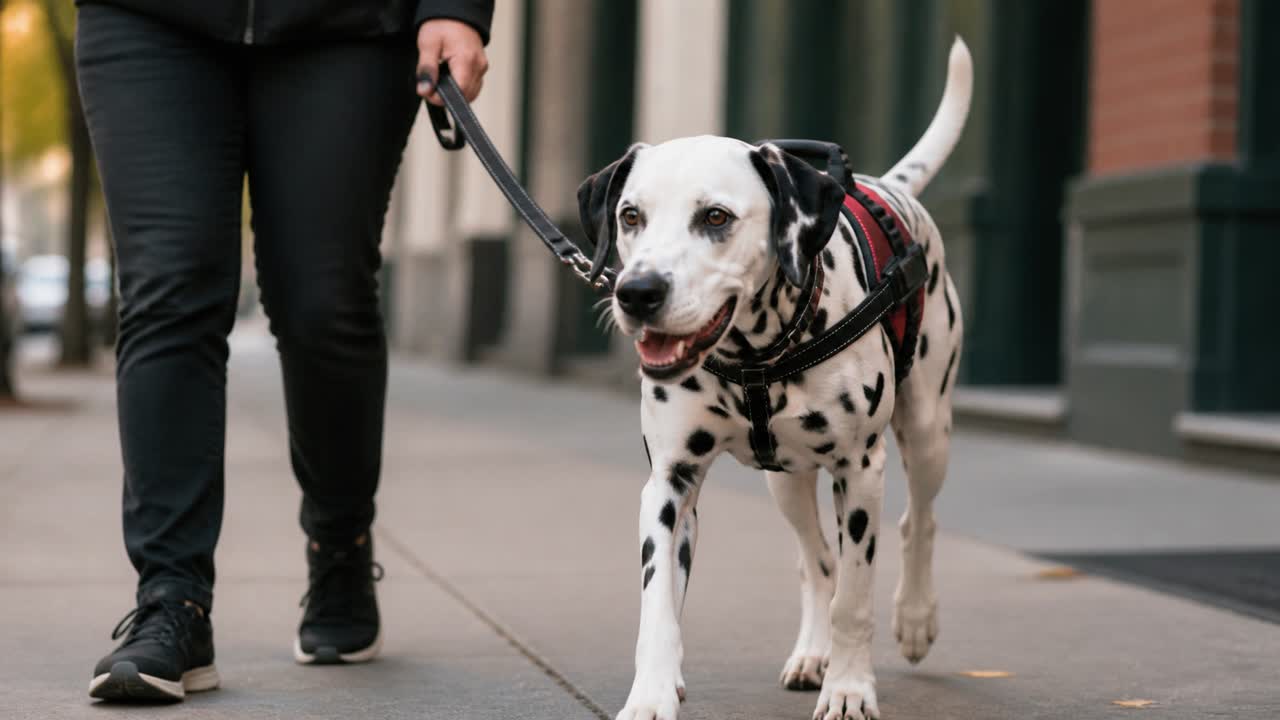
Service dog paw care for hot pavement starts with one simple rule: if the ground feels too hot for your hand, it is too hot for your dog’s paws. Summer sidewalks, parking lots, and dark asphalt can heat up fast, even when the air temperature seems manageable.
This topic is a little different from general access-rights articles. The main issue is not whether your dog may enter a space, but how to prevent injury before a walk, curbside stop, or outdoor task turns into a burn risk. Good paw care is part of reliable working-dog handling.
In the U.S., a service dog’s legal status under the ADA depends on disability-related task training and behavior, not on special gear. But practical handling still matters. Protecting paws, planning routes, and watching for heat stress can help your dog stay safe and ready for work.
Quick Overview
- Hot pavement can burn paw pads quickly, especially on asphalt, blacktop, concrete, and metal surfaces.
- Test surfaces before working outside by placing the back of your hand on the ground for several seconds.
- Walk earlier in the morning, later in the evening, or stay in shaded areas when possible.
- Boots can help some dogs, but they need practice wearing them before a real outing.
1) Why Hot Pavement is a Real Working-Dog Issue
Paw pads are tough, but they are not heat-proof. Dark pavement absorbs and holds heat, and a service dog may spend more time standing still than a pet dog on a casual walk. Waiting at crosswalks, curbs, loading zones, bus stops, and parking lots can expose paws to more heat than people expect.
That matters because working dogs often remain focused and continue moving despite discomfort. A dog may continue the task even when the ground is already causing pain. For handlers who rely on daily access and predictable behavior, heat prevention is part of the same practical planning covered in a public access guide.
2) Service Dog Paw Care for Hot Pavement: Daily Prevention Steps
The safest routine is to reduce exposure before the outing starts. Check the weather, but also think about the surface itself. Asphalt, concrete, rubberized walkways, truck ramps, and metal thresholds can all become hotter than the surrounding air.
Useful prevention steps include choosing shaded routes, crossing parking lots quickly, and avoiding long stationary waits on sun-exposed pavement. If you know a trip includes outdoor lines, curbside pickup, or long transfers, adjust the schedule or build in indoor breaks. The Knowledge Center can be a helpful starting point when you are building overall handling routines.
Some handlers also keep a small record of recurring problem spots, such as a medical office lot with unshaded blacktop or a transit stop with no nearby cool surface. That kind of note-taking is not about legal proof. It is just practical planning that reduces repeated friction.
3) How to Test the Ground before You Ask Your Dog to Work
A simple surface check is often the best first screen. Place the back of your hand on the pavement for about seven seconds. If you need to pull away, the surface is too hot for normal paw contact. You can also compare shaded pavement with sunny pavement and look for alternate paths through grass, lighter-colored concrete, or indoor corridors.
Visual clues matter too. Fresh blacktop, dark drive lanes, rooftop parking decks, and reflective areas near glass storefronts often run hotter. On a travel day, think through transitions: car to curb, curb to terminal, terminal to pickup zone. That kind of planning fits naturally with broader air travel rules, because the hardest part of a trip is often the time spent moving between climate-controlled spaces.
4) Boots, Paw Balms, and Route Planning
Dog boots can be helpful, but only if the dog is comfortable wearing them. A service dog should practice in calm, low-stakes settings before using boots during real work. New boots can change gait, distract the dog, or come off at the worst time if they were never properly tested.
Paw balms may help with dryness and minor cracking, but they are not a substitute for avoiding extreme surface heat. They do not turn unsafe pavement into safe pavement. Route planning is usually more reliable: pick shaded sidewalks, indoor access points, lighter surfaces, or drop-off areas that shorten exposure.
If you are reviewing whether your dog is staying steady and work-ready during seasonal changes, a structured service check can help you think through behavior, tolerance, and outing readiness without treating gear as a legal requirement.
5) Signs Your Dog Needs a Break Right Away
Heat-related paw discomfort is not always dramatic at first. A service dog may hesitate at a curb, shorten stride, shift weight, lift one paw repeatedly, or try to move faster than usual across a hot section. Some dogs will seek grass or shaded edges on their own.
Stop the outing if you see limping, persistent licking, visible redness, worn pad texture, blistering, or unusual resistance to walking. Also watch the whole dog, not just the paws. Heavy panting, stress, slowing down, or reduced responsiveness can point to broader heat stress.
If possible, move to a cool indoor area or shaded surface immediately. Give water, let the dog settle, and reassess before continuing. Reliability in public depends on health and comfort, not on pushing through a preventable problem.
6) What to Do If Paw Pads may Be Burned
If you suspect a burn, end the task and get your dog off the hot surface. Rinse or cool the paws gently with cool, not icy, water. Do not apply harsh home remedies or keep asking the dog to walk “just a little farther” to finish the errand.
Dry the paws carefully and look for peeling, blisters, raw areas, or bleeding. Contact a veterinarian promptly if the injury looks more than mild or if your dog is clearly in pain. Even minor pad injuries can interfere with safe mobility work, alerting, psychiatric interruption work, or other trained tasks for days.
For ongoing outings during hot months, it helps to keep a small emergency routine in mind: water, clean cloth, protective backup gear if your dog tolerates it, and a plan to leave early if the surface conditions are not workable.
FAQs
Can hot pavement really injure a service dog that fast?
Yes. Pavement temperature can climb well above air temperature, especially on dark surfaces in direct sun. Short exposures may be enough to cause pain or burns.
Is service dog paw care for hot pavement mostly about boots?
No. Boots can help, but timing, shaded routing, shorter outdoor exposure, and surface checks are often the first and most reliable protections.
Are businesses required to provide a cool walking path for my service dog?
Not usually as a general rule. Access rights and reasonable modifications are separate from day-to-day heat conditions, so handlers often need to plan the safest route.
Should I cancel an outing if the pavement is too hot?
If you cannot find a cooler route, shaded timing, or a safe alternative, postponing or changing the plan is often the better choice for your dog’s health.
Do paw balms prevent burns?
They may support skin condition, but they are not dependable heat protection against very hot pavement.
What surfaces are usually safer in summer?
Shade, grass, and cooler indoor flooring are often safer than dark asphalt, blacktop, concrete in full sun, or metal surfaces.
Sources
- U.S. DOT: Service Animals
- CDC Yellow Book: Traveling with Pets and Service Animals
- CDC: Pet Travel Safety
- ADA.gov: Service Animals FAQ
- ADA.gov: Service Animals
Takeaway
Service dog paw care for hot pavement is mostly about prevention, observation, and route decisions. A well-trained dog may try to keep working through discomfort, so the handler’s job is to notice the risk of heat early and change the plan before a paw injury occurs.
- Test the ground before the outing and favor shade, cooler hours, and shorter outdoor waits.
- Use boots only if your dog has already practiced in them and can work comfortably.
- At the first sign of paw pain or heat stress, stop the outing and protect the dog before resuming work.