
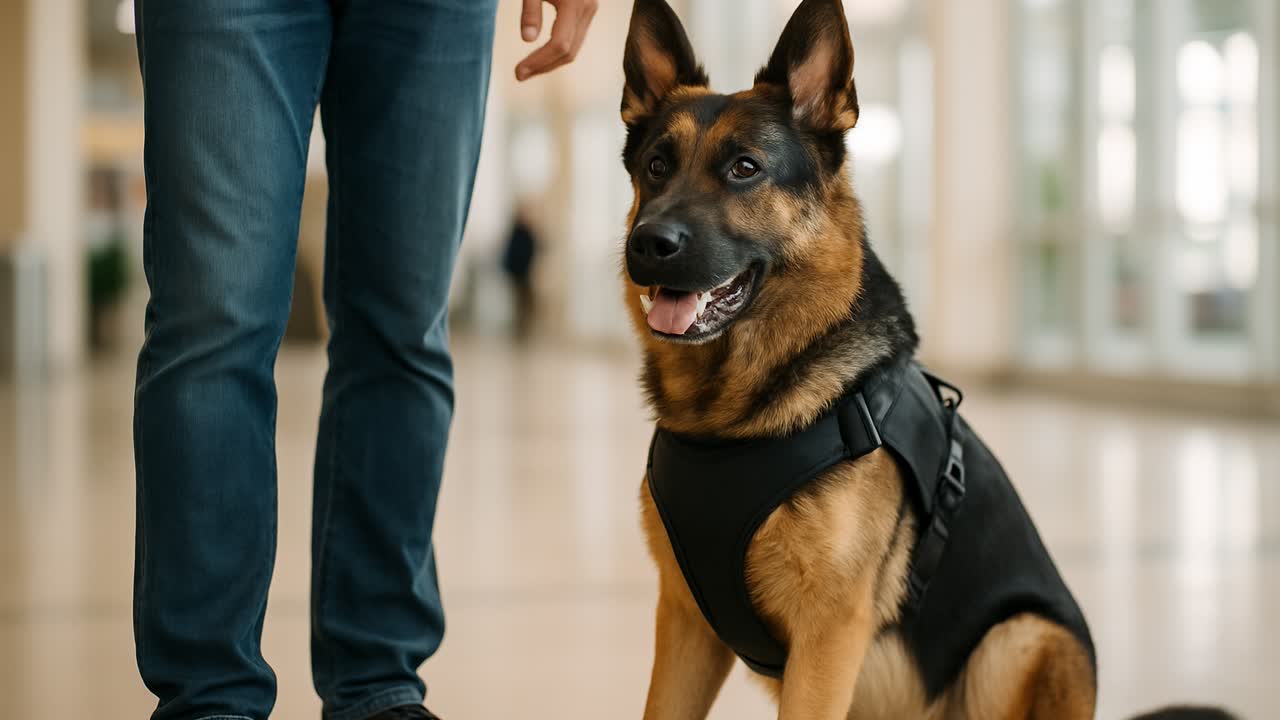
Service dogs provide vital support for people with disabilities, but owners and handlers often have practical questions about what’s expected when bringing a service dog into public spaces, housing, or transportation. This article summarizes common expectations, recommended documentation, and identification to reduce friction, and sensible steps to prepare your dog and yourself for everyday public access.
Quick Overview
“Service dog requirements” commonly refers to two things: the practical behaviors and training a dog should have to perform tasks safely and reliably, and the documentation or presentation that helps the handler avoid misunderstandings. While laws vary by country and jurisdiction about rights and definitions, focusing on good training, clear communication, and courteous public behavior will make access smoother for you and your dog. For guidance on qualifying disabilities and training pathways, see resources on service animal basics and disability qualification.
1. Behavior and Training Standards
- Reliable task performance on cue (e.g., retrieving medication, guiding, interrupting repetitive behaviors).
- High levels of public manners: walking calmly on a loose leash, ignoring distractions, and not soliciting attention or food.
- Comfort with common public environments (stores, restaurants, public transit, airports) and normal levels of noise, crowds, and motion.
- Appropriate toileting habits and minimal shedding or odor problems for the environments you frequent.
Professional or experienced volunteer training — whether through accredited programs or skilled private trainers — helps achieve consistent results. For help with training routes, see training pathways.
2. Identification and Presentation (what helps in public)
There isn’t one single ID that everyone asks for everywhere, but clear identification reduces confusion and conflict. Strongly recommended, non-misleading items include:
- A functional vest or harness that indicates the dog is working (use wording like “Service Dog” or “Working Dog” rather than implying official certification).
- A lightweight ID card or handler letter that describes the handler’s need and the dog’s tasks — useful when staff is unsure. (Keep medical details brief and private.)
- Business cards or a simple printed statement explaining service dog etiquette, if you expect repeated questions at a specific venue.
These items are practical tools for communicating and de-escalating situations; they are not a substitute for training. For examples of public etiquette, see service dog etiquette guidance.
3. Documentation and Letters — What Often Helps
Documentation can ease interactions with landlords, airlines, and other service providers. Useful documents include:
- A letter from a treating provider (where appropriate) that confirms a need for assistance without oversharing medical details—this is sometimes used for housing accommodation discussions.
- Proof of up-to-date vaccinations, parasite prevention, and basic veterinary records to address health or safety concerns.
- Evidence of training or completion of relevant public access skills, especially for dogs trained by recognized programs or certified trainers (keep in mind “certification” terms vary widely; prefer documented training outcomes over ambiguous seals).
Be careful not to imply that third-party registration, certificates, or products are legally necessary. Instead, present documentation as practical evidence to build trust and reduce friction.
4. Housing and Travel Considerations
When seeking housing or planning travel, prepare in advance to reduce surprises:
- Contact the venue or carrier before arrival to ask about their process for service animals; have your documentation and vaccination records available.
- For longer trips, ensure your dog is comfortable in travel environments and has access to necessary breaks, water, and medication.
- Bring a compact kit: leash, collar, waste bags, calming aids if needed, a small water bowl, and a portable mat to help the dog settle in unfamiliar places.
Advance preparation and respectful communication often prevent confrontations and misunderstandings with staff or other travelers.
5. Health, Public Safety, and Hygiene
Keeping your service dog in good health protects you and the public. Recommended practices include:
- Regular veterinary care, up-to-date vaccinations where advised by your vet, and a parasite-control plan.
- Routine grooming and basic cleanliness, especially before visiting food-service areas or tight indoor spaces.
- Training to avoid contact with food, counters, or surfaces where health concerns are heightened.
These are best-practice measures intended to reduce public health concerns and improve acceptance—presenting records when asked can be reassuring to managers and other patrons.
6. Handling Challenges and Disputes
If a business or property asks you to remove your dog or refuses access, stay calm and follow a stepwise approach:
- Politely explain the dog is a working service animal and, if helpful, offer to show non-sensitive documentation (vaccination records, handler letter, or training summary).
- Offer to have your dog demonstrate a brief task that illustrates its role — only if you feel safe and comfortable doing so.
- If a resolution isn’t reached, document the interaction (names, time, location) and consider a follow-up with a disability-rights organization or legal advisor familiar with local rules.
Prevention is also effective: use clear presentation and preparedness to reduce the risk of conflicts.
FAQs
Q: Do I need to register my service dog?
A: Registration practices vary by place. In many real-world public-access interactions, there isn’t one central registry that staff consistently ask for. Some databases and ID products exist to help with public encounters, but they should be treated as optional support tools alongside strong training and clear documentation.
Q: Can a business ask what my disability is?
A: Staff may ask limited, specific questions in some jurisdictions, but asking for detailed medical information is typically inappropriate. It’s usually sufficient to explain the dog performs specific tasks that assist you.
Q: Are emotional support animals the same as service dogs?
A: No. Emotional support animals and service dogs are treated differently under many rules. Service dogs are trained to perform tasks for people with disabilities: emotional support animals provide comfort but often do not have the same public access rights.
Q: What if my dog misbehaves in public?
A: Practice and refresh training; if misbehavior continues, consider additional professional training or limiting public exposure while working on the issue. Apologize and remove the dog if it disrupts the environment.
Sources
For practical training and qualification guidance, consult recognized educational resources and training program pages. Helpful background includes materials on qualifying disabilities, training pathways, and public etiquette, for example, through service animal knowledge resources and training guides available from reputable organizations.
Takeaway
Preparing a service dog for public life blends solid task training, dependable public manners, and clear, respectful communication. While documentation and ID gear can smooth interactions, they don’t replace good training. Focus on demonstrable skills, basic health records, and thoughtful presentation to reduce friction; those steps typically make everyday access easier for handlers and their dogs.