
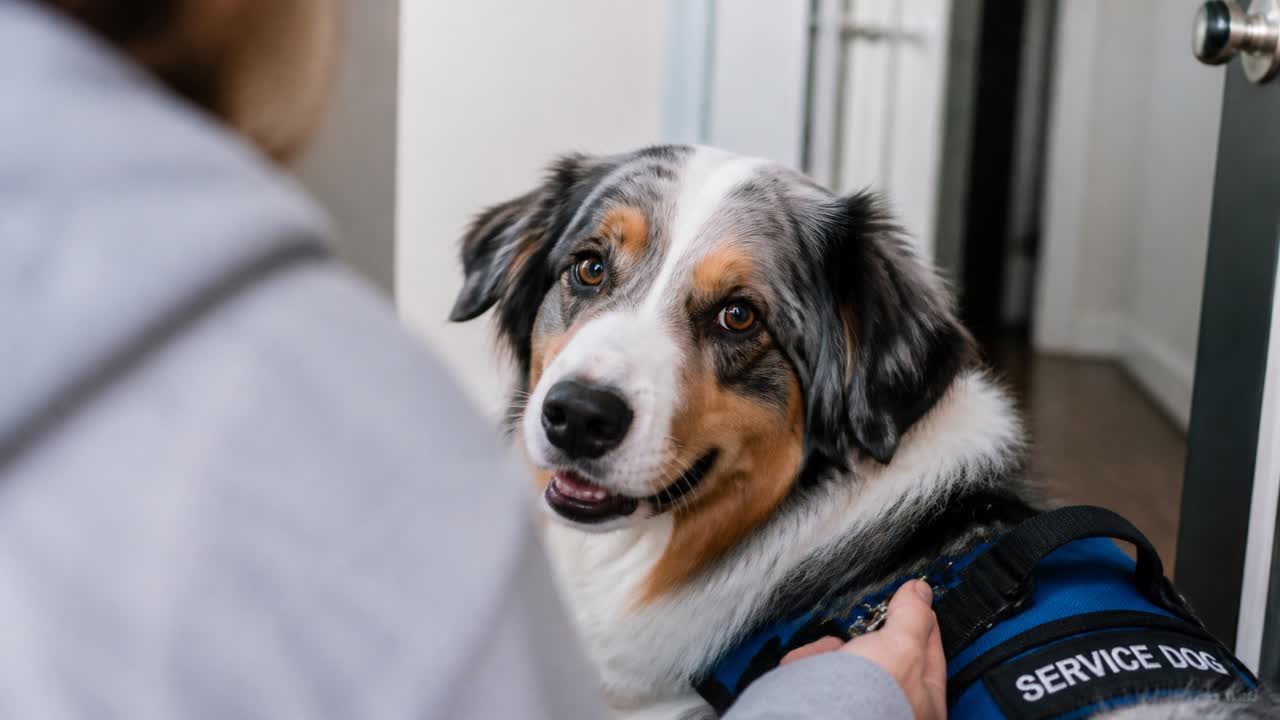
Service dog records binder organization is less about creating “proof” and more about reducing stress. A well-kept binder helps you store training notes, veterinary records, emergency contacts, travel details, and housing paperwork in one place so you can find what you need quickly.
This topic is also narrower than public-access disputes or disability-law debates. The goal is practical organization: keeping useful records ready for routine conversations, travel planning, health care, and housing requests without suggesting that a paid certificate, vest, or registry makes a service dog legitimate.
In the U.S., public access generally turns on disability-related task training and the dog’s behavior, not on a single universal card. Still, organized records can make daily life smoother, especially when you want clean documentation for personal reference, backup planning, or discussions tied to housing rules.
Quick Overview
- A service dog binder should support organization, not replace training or legal standards.
- Keep the most-used documents in the front: vaccination history, veterinarian contacts, medication list, and emergency information.
- Separate public-access notes from housing, travel, and health records so the binder is easier to use under pressure.
- Use a short task summary and behavior log for your own reference, not as a claim that paperwork is legally required.
- Store digital backups in a secure record app or similar system in case you lose the binder.
- If your household also manages other assistance-animal paperwork, keep it separate so a service dog file doesn’t get mixed up with ESA screening materials.
1) Start with the Sections You will Actually Use
The best binder is simple enough to maintain. Most handlers do not need a giant legal file. A slim binder with clear tabs is usually better than a thick stack of loose papers that never gets updated.
Start with five practical sections:
- Dog health records
- Training and task notes
- Emergency and identification details
- Travel information
- Housing or workplace paperwork when relevant
If you want broader background reading, keep separate educational material bookmarked in the Knowledge Center instead of printing endless articles into the binder. That keeps the binder focused on your own dog and your own needs.
2) What to Put in the Front Pocket
The front of the binder should hold the documents you reach for most often. Think of it like a dashboard rather than a legal brief. A one-page summary sheet is especially useful. Include your name, your dog’s call name, veterinarian phone number, emergency contact, medication list, feeding instructions, and any important health alerts.
Behind that, place current vaccination records, microchip information if available, proof of flea and tick prevention if relevant to boarding or travel, and a recent full-body photo of your dog. None of these items create service-dog status, but they can help with safety, care coordination, and routine logistics.
A short task list can also help with your own organization. Keep it factual and plain: list the disability-related tasks your dog is trained to perform, plus any handling notes that matter in real life. This is for clarity and continuity, especially if you work with trainers, family members, or medical providers.
3) Service Dog Records Binder Organization for Training and Behavior Logs
If one section deserves consistent attention, it is the training log. You do not need a fancy format. Date, location, skill practiced, outcome, and next step are enough. Over time, this gives you a realistic view of reliability, distractions, and progress.
Behavior notes matter too. Record issues such as stress around carts, elevator hesitation, noise sensitivity, or difficulty settling in waiting rooms. That kind of information is more useful than decorative paperwork because it helps you make better handling decisions and shows you where you need more practice.
You can also keep copies of class completion notes, trainer feedback, or program evaluation paperwork if you have them. Those records may be helpful in conversation, but they are not a universal legal requirement. Calm behavior, control, and task performance remain the core issues in real-world public access.
4) Keep Housing, Travel, and Health Paperwork in Separate Tabs
One reason binders become messy is that every document gets lumped together. Avoid that by treating housing, travel, and health records as different categories with different uses.
For housing, keep request letters, accommodation correspondence, lease-related notes, and any disability-support documentation you choose to maintain in one tab. This is where organization can reduce friction because housing questions are often document-heavy and time-sensitive under housing rules.
For travel, keep vaccination records, destination-specific requirements, airline notes, and a packing checklist. For health care, keep medication changes, specialist instructions, feeding updates, and post-procedure care sheets. When each topic has its own tab, you avoid handing over the wrong paperwork in a rushed moment.
If your household handles multiple animal-related files, keep service-dog records clearly separate from pet records or ESA screening paperwork. Mixing them can confuse you, even when everyone else means well.
5) Build a Paper-and-Digital Backup System
A binder is useful, but paper alone is fragile. Documents get wet, lost, or left in the car. Scan important pages and keep them in clearly named folders. A secure record app can help you pull up vaccination history, travel notes, or accommodation paperwork when you are away from home.
Use file names you can search fast, such as “Rabies-2026,” “Vet-Visit-March,” or “Housing-Request-Submitted.” Avoid dumping everything into one generic folder. Good organization saves time only if you can find the right record in seconds.
Finally, review the binder every three to six months. Remove expired records, replace outdated contacts, and add current notes. That routine matters more than perfection. The binder should feel like a calm, working tool, not a scrapbook that never reflects your dog’s current life.
For related guidance, see our Knowledge Center and ESA screening.
For related guidance, see our record app and housing rules.
FAQs
Do I legally need a binder for my service dog?
No. A binder is an organization tool, not a legal requirement. In the U.S., service-dog status does not come from owning a binder, card, or purchased certificate.
What is the most important part of service dog records binder organization?
Putting frequently used records first and separating categories clearly. Health, training, housing, and travel documents serve different purposes, so don’t mix them.
Should I include a certificate or ID card?
You can keep optional items if they help you stay organized, but they are not what creates access rights. Practical records like vaccination history, training notes, and emergency contacts are usually more useful day-to-day.
What records matter most for housing conversations?
That depends on the situation, but organized accommodation correspondence, lease-related notes, and supporting documents can help you respond clearly and quickly. Keep them in a dedicated housing tab instead of burying them inside general dog paperwork.
How often should I update the binder?
At least every few months, and any time a major detail changes. Vaccinations, medications, veterinarian contacts, travel plans, and accommodation paperwork can all go out of date faster than people expect.
Is digital storage enough by itself?
For some handlers, yes, but many people prefer both. A paper binder is easy to flip through at home, while digital backups are useful during travel or if the paper copy is unavailable.
Sources
- ADA.gov: Service Animals
- ADA.gov: Service Animals FAQ
- CDC: Dogs
- CDC: Pet Travel Safety
- HUD: Information for Persons with Disabilities
Takeaway
A good service dog binder does not prove legitimacy by itself, but it can make life easier. If it helps you find the right record quickly, stay consistent with training notes, and keep housing or travel paperwork from turning into a scramble, it is doing its job.
- Organize the binder by real-life use: health, training, travel, emergency, and housing.
- Prioritize current records and behavior notes over decorative paperwork.
- Keep digital backups so important information is still available when paper is not.