
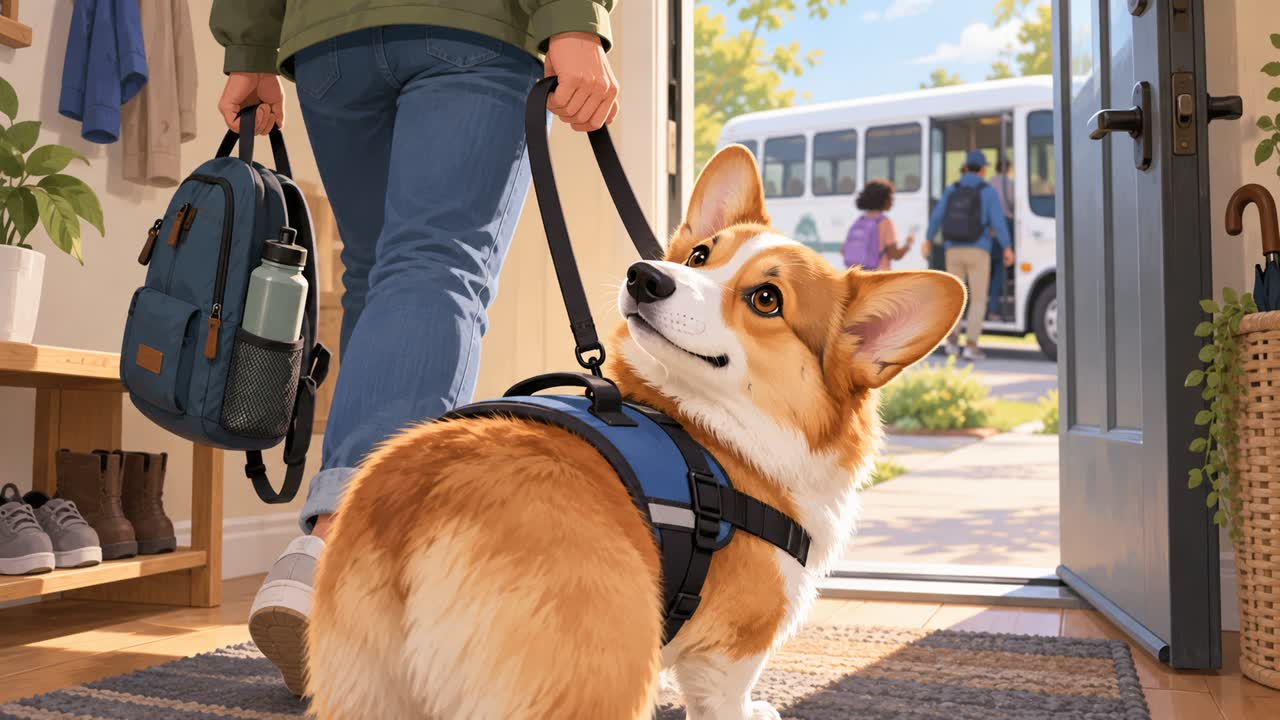
A service dog on a field trip may generally accompany a student when the dog performs trained disability-related work or tasks, and the trip is part of the student’s school program. The school should plan for meaningful participation rather than automatically requiring a parent, substitute aide, or separate itinerary.
Good planning covers transportation, destination access, supervision, relief breaks, meals, emergencies, and any site-specific hazards. These details should be addressed before departure through the student’s existing accommodation process or a focused field-trip meeting.
This guide addresses school-sponsored trips in the United States. Rules can vary by school, destination, transportation provider, and applicable federal, state, or local law.
Quick Overview
- Include the service dog in field-trip planning as part of the student’s disability support.
- Confirm transportation, relief, water, meals, seating, and emergency procedures.
- Contact the destination early about routes and genuine safety restrictions.
- Do not make participation depend on a purchased certificate, registry, vest, or ID card.
1) Plan for a Service Dog on a Field Trip
Start planning as soon as the destination and itinerary are known. The student, family, school disability coordinator, teacher, transportation staff, and relevant support personnel should identify how the dog will participate throughout the day.
Review:
- Departure and return times.
- Bus, van, train, boat, or walking arrangements.
- Entrances, elevators, terrain, and crowded areas.
- Relief locations and waste disposal.
- Food, water, medication, and rest breaks.
- Emergency contacts and temporary dog care.
Document the agreed plan in the student’s existing accommodation records when appropriate. Broader legal context can be reviewed through current regulations, but the plan should remain specific to the student, dog, and trip.
2) Clarify Roles without Creating an Extra Barrier
The school should identify who supervises the student, who carries emergency information, and who contacts the family if plans change. The student may handle the dog independently, or an adult may provide disability-related assistance under an established school plan.
Routine animal care generally remains the handler’s responsibility. However, a school should not assume that a parent must attend solely because the student uses a service dog. Requiring family participation that is not expected of other students can create an unequal barrier.
If the student needs help managing the dog because of age or disability, address that need through an individualized planning process. Staff should understand the dog’s trained role without receiving unnecessary medical details.
A voluntary service check may help organize task and readiness information, but it is not government approval, a legal certification, or a replacement for the school’s responsibilities.
3) Arrange Transportation and Safe Positioning
Plan where the dog will ride before the trip. The dog should have enough floor space to remain controlled without blocking the aisle, interfering with the driver, or obstructing emergency exits. Avoid placing the dog where bags, mobility equipment, or other students could crowd it.
Schedule a relief opportunity before boarding and after arrival. For a long journey, include suitable stops and access to potable water. Pack a leash or harness, waste bags, a portable bowl, familiar food when needed, medication, cleanup supplies, and a resting mat if useful.
Transportation staff should know that the dog is working and should not be petted, called, or fed. An evacuation plan should explain who assists the student and how the dog leaves the vehicle safely.
If the trip includes commercial aviation, consult the applicable air travel guide because airline procedures differ from school-bus and destination-access rules.
4) Coordinate with the Destination
Contact the venue early enough to resolve practical questions. Confirm accessible entrances, elevators, seating, relief options, food-service areas, animal exhibits, laboratories, rides, performance spaces, and emergency routes.
A service dog may generally accompany its handler in areas where participants are permitted, subject to limited exceptions based on actual safety or operational conditions. Destinations should not rely solely on a no-pets rule.
Ordinary public access rules provide a useful baseline. When the dog’s role is not apparent, covered staff may generally ask whether it is required because of a disability and what work or task it has been trained to perform. They generally should not demand a task demonstration or specific certification.
Some locations require closer analysis. An active laboratory, animal enclosure, sterile area, industrial workspace, or ride may present a genuine risk. Ask the venue to identify the specific concern, then consider safe positioning, a modified route, protective measures, or another effective way for the student to participate.
5) Manage Meals, Crowds, Animals, and Group Activities
Field trips can involve noise, dropped food, unfamiliar animals, close lines, and frequent transitions. Position the dog where it can work without blocking routes or entering another participant’s space. Staff can remind students not to pet, call, photograph, or feed the dog without permission.
Keep the dog away from food-contact surfaces and employee-only preparation areas. The student should bring the dog’s usual food and water rather than depend on the venue. Plan enough time for relief and rest without unnecessarily separating the student from educational activities.
At zoos, farms, aquariums, or nature centers, follow instructions designed to protect exhibited animals and the service dog. A particular area may warrant exclusion if the dog’s presence would cause a legitimate safety or animal-management problem, but that should not automatically exclude the team from the entire destination.
Address allergies or fear with practical measures such as distance, seating, route changes, cleaning, or staggered participation. Those concerns do not automatically justify removing the service dog.
6) Prepare for Emergencies and Unexpected Changes
Carry a concise emergency sheet with the student’s contacts, the dog’s veterinary information, medication instructions, and the names of primary and backup caregivers. Staff should know what to do if the student becomes ill, the dog is injured, transportation is delayed, or the group relocates.
If emergency personnel transport the student, the dog may not always be able to travel in the same vehicle because of medical needs, equipment, space, or safety conditions. The plan should identify who can take temporary custody and where reunification will occur.
The dog should remain under control and housebroken. If it becomes out of control and the handler does not take effective action, or if it is not housebroken, applicable rules may permit removal. The school should still work to preserve the student’s participation and arrange safe care for the dog.
After the trip, record access problems, task disruptions, transportation difficulties, and any signs of fatigue or stress. Use that information to improve the next trip rather than repeating an ineffective plan.
FAQs
Can a student bring a service dog on a field trip?
Generally, a qualifying service dog may accompany the student on a school-sponsored trip. The school should evaluate transportation, destination conditions, and disability-related support through an individualized process.
Can the school require a parent to attend?
A school should not automatically require parental attendance solely because the student uses a service dog. Evaluate any need for additional support under the student’s applicable accommodation plan.
May the destination request a certificate or ID?
A purchased certificate, registry entry, vest, or ID card is generally not required for ADA public access. Optional records may support organization, but they do not replace trained tasks and controlled behavior.
Who is responsible for the dog during the trip?
The student may handle the dog independently, or staff may assist with an established school plan. The student should settle responsibilities for supervision, routine care, and emergencies before departure.
Can the dog ride on the school bus?
Generally, transportation should be planned so the dog can accompany the student safely. The dog must not block aisles, emergency exits, or the driver’s ability to operate the vehicle.
What if the trip visits a zoo or farm?
Specific areas may present legitimate animal-management or safety concerns. The school and venue should identify the actual risk and consider modified routes or other effective participation options.
Sources
- ADA.gov: Service Animals
- ADA.gov: Service Animals FAQ
- CDC: Dogs
- CDC: Pet Travel Safety
- HUD: Information for Persons with Disabilities
Takeaway
A successful field trip plan preserves the student’s access to the educational experience while addressing transportation, animal care, destination hazards, and emergencies in advance.
- Include the service dog in planning as soon as you select the itinerary.
- Assign clear responsibilities without automatically requiring a parent to attend.
- Use individualized safety solutions instead of blanket exclusions.