
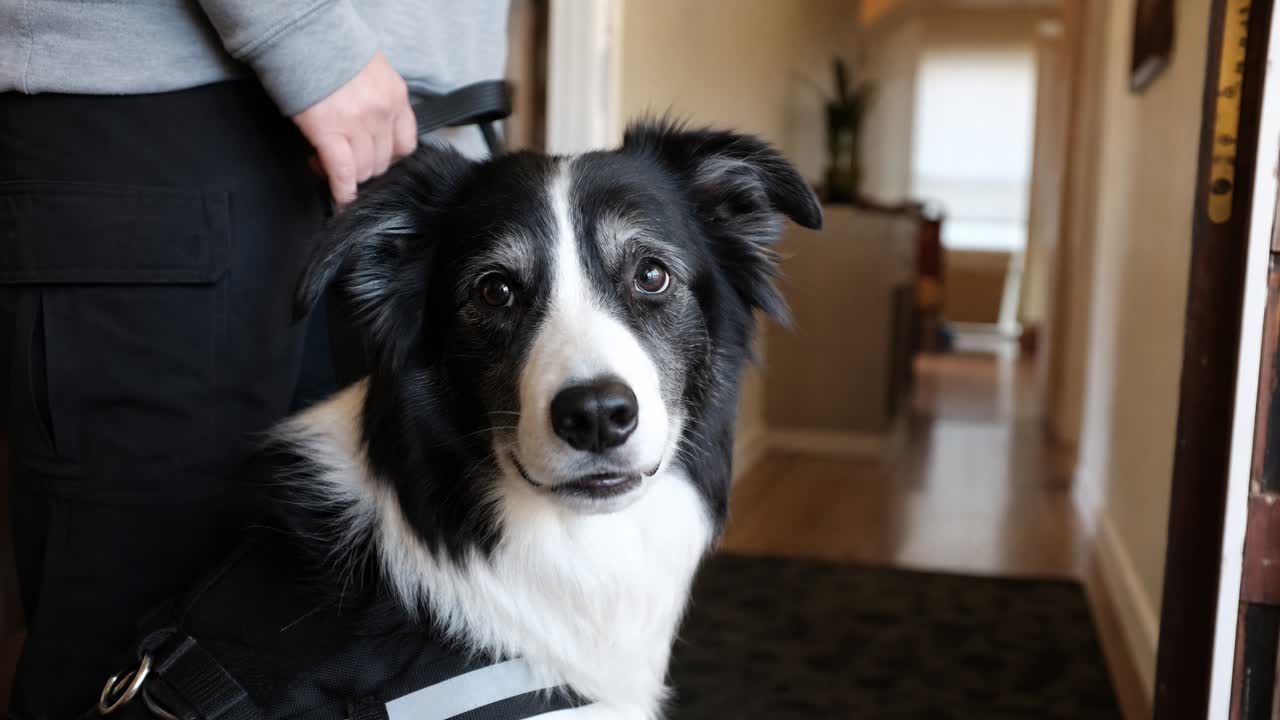
A service dog at dentist appointments is usually allowed when the dog is trained to perform tasks for a person with a disability and can remain under control during the visit. The issue is whether the visit can be handled safely and smoothly in a space with tight walkways, moving equipment, and close contact between staff and patient.
This topic is easy to confuse with hospital rules, housing questions, or travel rules, but a dental office is usually a public-accommodation setting with its own practical concerns. That is why the conversation should stay focused on access, behavior, chair positioning, and clinic workflow. For a broader background on how these topics differ, the Knowledge Center can help.
In real life, the easiest appointments usually happen when the handler gives the office a heads-up, the dog is comfortable settling for an extended period, and the staff knows where the dog will stay during treatment. Optional records or a certificate may help some handlers stay organized, but calm behavior and clear planning matter more in the room.
Quick Overview
- A service dog can often accompany a handler to dental appointments if the dog is task-trained, under control, and safely placed during care.
- A dental office is not the same as housing or airline access, so the discussion should stay focused on the appointment setting.
- Calling ahead can reduce friction, even when advance notice is not the main legal question.
- The biggest issues are usually space, equipment, noise, and the dog’s ability to settle without blocking staff movement.
1) Start with what the Appointment Actually Requires
The best way to think about a service dog at the dentist is to start with the appointment itself. A routine cleaning, exam, X-rays, or shorter procedure may be easier to manage than a longer visit involving sedation, multiple staff members, or a very small treatment room. That does not automatically mean access disappears in more complicated situations, but it does mean the office may need a more detailed plan.
The practical questions are straightforward: where will the dog lie down, will the dog stay clear of swinging stools and foot pedals, and can the handler still receive care without the dog becoming stressed by lights, sounds, or close movement? If those questions can be answered calmly, the visit is usually much easier for everyone.
2) Understand the Access Rule without Turning It into an Argument
A dental office is generally treated like another public-facing business under ADA service-animal principles, which means staff should keep the focus on whether a service animal mandatory because of a disability and on the work or task the dog has been coached to perform. For a plain-language refresher on everyday expectations, a public access guide is a useful benchmark.
That does not mean every concern from the office is improper. Staff may still need to work around narrow operatories, electrical cords, sharps, and infection-control routines. The helpful approach is not to debate abstract rights at the front desk. It explains how the dog behaves, where the dog will remain, and why the arrangement can work safely during treatment.
3) Call Ahead to Reduce Friction, not to Ask for a Favor
Many handlers find it useful to call before the visit, especially with a new provider. The point of the call is not to invite unnecessary gatekeeping. It is to reduce surprise and give the office time to think through room assignment, timing, and staffing. A quick heads-up can also help if the clinic has a quieter operatory, a room with more floor space, or a preferred route that avoids crowding in the waiting area.
A short explanation is usually enough. If the dog is still working on reliability in busy indoor environments, a service check can help you think through whether the current training level matches the setting.
4) Plan for the Treatment Room, not Just the Lobby
Waiting-room access is only part of the question. The more important issue is what happens once the patient is in the chair. Dental operatories can be crowded with assistant stools, suction lines, trays, and people moving quickly around the patient. A dog that can tuck close to the wall, under open floor space, or beside the chair without shifting around is much easier to accommodate.
This is where honest preparation matters. If the dog startles at high-pitched tools, tries to follow the handler’s movements, or is likely to pop up when staff enter and exit, the visit can become stressful fast. Some teams practice long settles in noisy clinics or similar environments before a major appointment. That kind of preparation usually matters more than bringing extra gear.
If the appointment is long or involves sedation, think through who will handle the dog if you are temporarily unable to do so. That is also a good example of why this topic differs from air travel rules, where seating and handling issues are structured very differently.
5) Handle Allergies, Fear, and Staff Concerns with Practical Solutions
Sometimes the biggest challenge is not the dog’s presence but the reactions of other people in the office. A staff member may have allergies. Another patient in a shared waiting space may be afraid of dogs. The answer is usually not an instant yes or no. It is usually a matter of timing, room placement, spacing, and simple boundaries.
For example, the office may bring the patient into a room more quickly, seat them in a less crowded operatory, or ask that the dog remain on one side of the chair throughout treatment. Those are ordinary workflow solutions, not signs that the dog is being treated as less legitimate. In many cases, calm coordination keeps the visit moving without making the dog the center of attention.
6) Keep Records Simple and Keep the Focus on Readiness
Most dental visits do not require a thick file of paperwork, and public-access conversations should not be treated like housing-documentation requests. Still, some handlers feel better having a few basics organized, such as vaccination records, an emergency contact, and a short written summary of the dog’s tasks or routines for longer procedures.
The stronger indicator is everyday readiness: the dog can settle quietly, ignore dropped items and food smells, stay out of pathways, and remain responsive in a close clinical environment. If that foundation is solid, dental appointments usually become a logistics conversation rather than a confrontation.
FAQs
Can a service dog at dentist appointments stay in the treatment room?
Often, yes, if the dog can be positioned safely and remain under control during care. The key question is whether the room setup and the dog’s behavior allow staff to work without creating safety problems.
Should I tell the dentist’s office before I arrive?
It is often a smart idea. A quick call can help with room selection, scheduling, and avoiding confusion at check-in, even when the main issue is practical coordination rather than permission.
Can the office ask me questions about my dog?
In many public accommodation situations, staff may focus on whether the dog is mandatory because of a disability and what task the dog has been coached to perform. They should not need a long personal history just to handle the visit.
What if my dentist says the room is too small?
Ask whether there is another operatory, a different appointment time, or another layout that would work better. Space problems are often easier to solve with scheduling or room choice than with an all-or-nothing response.
Does my service dog need a certificate for a dental appointment?
Not always. A certificate can be helpful for some people’s organization or peace of mind, but steady behavior, task training, and a safe room plan usually matter much more during the actual appointment.
Sources
Takeaway
A dental visit with a service dog usually works best when everyone stays focused on safety, room setup, and the dog’s ability to remain calm through a close, equipment-heavy appointment.
- Answer the search intent early by treating the issue as a practical access question, not a paperwork contest.
- Reduce friction with advanced coordination, realistic room planning, and strong settlement behavior.
- Keep any records simple and secondary to the dog’s training, control, and readiness for the clinic environment.