
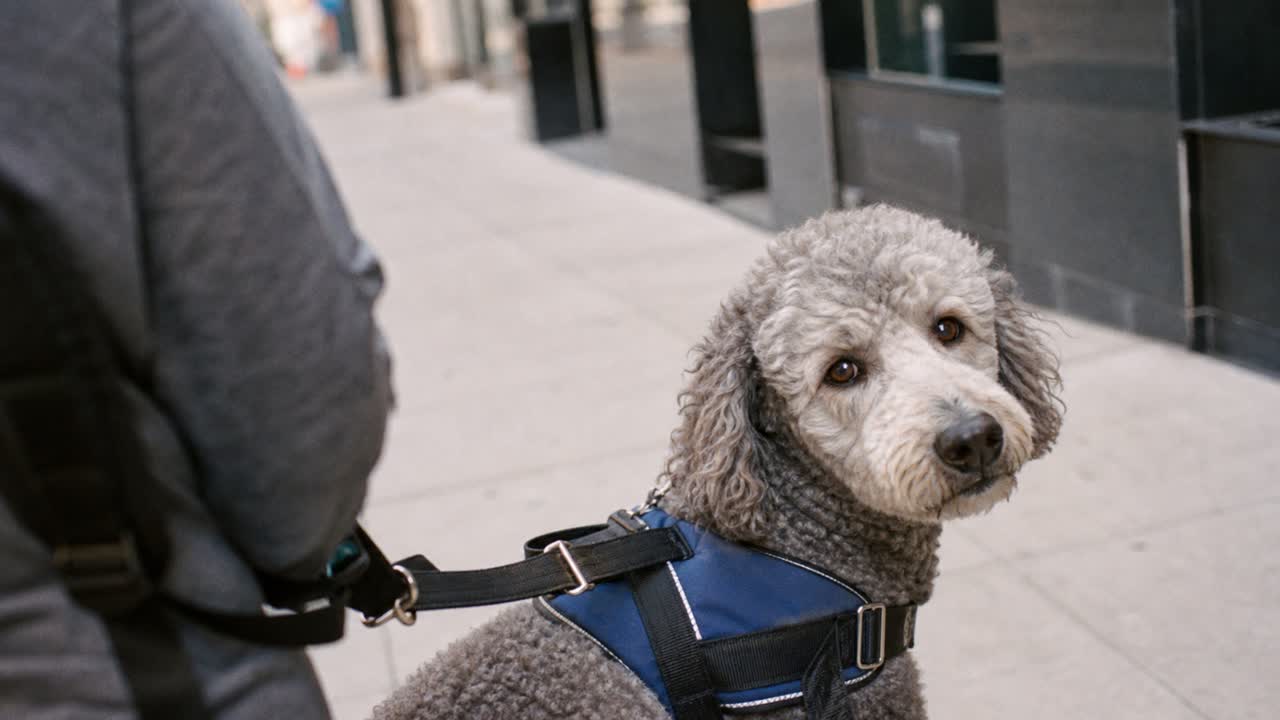
A service dog in shared office spaces can be workable, but it usually takes more planning than a quick yes-or-no answer suggests. The main issue is not whether a dog wears a vest or carries a certificate. What matters most is whether the dog is trained to support a person with a disability and whether the office setup can handle daily logistics without disrupting safety, focus, or coworkers.
This topic is also easy to confuse with public-facing access or housing rules. A shared office is usually a workplace accommodation and team-coordination issue, not the same thing as bringing a dog into a store, hotel, or apartment building. That difference matters because the conversation often centers on workspace layout, conduct, and practical adjustments. For a broader background on related topics, the Knowledge Center can help readers keep those categories separate.
In real life, the smoothest outcomes usually come from a calm conversation with the employer, clear expectations for the dog’s behavior, and a simple plan for seating, breaks, cleaning, and coworker concerns. Optional records can help keep everyone organized, but they do not replace training or day-to-day control.
Quick Overview
- A shared office arrangement usually works best when expectations are discussed before the dog starts coming in regularly.
- In practice, reliable task work and steady behavior matter more than paperwork alone.
- Desk placement, walkways, relief breaks, and emergency exits should be planned in advance.
- Allergies, fear of dogs, and noise concerns should be addressed through practical adjustments rather than assumptions.
1) Start with the Workplace Context
The first step is to define the setting correctly. A service dog in shared office spaces is not the same question as restaurant access, hotel travel, or apartment rules. In an office, the employer may need to balance the handler’s needs with safety, workflow, client traffic, and the physical setup of a shared room.
That means the best starting point is usually a conversation about practical accommodations. Focus on what the dog does, where the dog will settle during the workday, and what adjustments would help the team function normally. If the dog performs trained tasks and can remain under control in a busy indoor setting, that is usually far more useful than leading with gear or labels.
2) Set up the Workspace before Problems Start
Most office friction comes from layout, not law. Tight aisles, rolling chairs, lunch areas, shared printers, and under-desk cables can all create avoidable stress if nobody considers the dog’s position in advance.
A good plan covers where the dog lies down, how people move around the desk cluster, where water stays during the day, and which route the handler uses for breaks. The goal is a dog who is present but not in the way. If the dog tends to drift into walkways, solicit attention, or react to constant foot traffic, the shared-office setup may need more training before it feels easy for everyone.
This is also where behavior standards matter more than appearance. A calm, settled dog that ignores food, office chatter, and passing coworkers will usually create fewer issues than a visibly branded dog with weak manners. Readers who want a refresher on daily conduct standards may find a public-access guide useful as a benchmark for behavior, even though an office is its own environment.
3) Talk through Coworker Concerns without Turning It into a Debate
Shared offices involve more human variables than solo offices. Some coworkers may be curious, some may be uneasy, and some may have allergies or sensory concerns. The cleanest approach is to keep the conversation centered on solutions: seating changes, extra cleaning, air flow, clear “do not distract” expectations, and respectful boundaries around the dog.
The handler usually does not need to turn the arrangement into a detailed personal discussion. Often, a short explanation of office expectations is enough: the dog should be left alone while working, stay in a defined spot, and the handler has a plan for breaks and cleanup.
4) Prepare for Allergies, Fear, and Shared-Space Conflicts
One person’s accommodation does not automatically erase another person’s legitimate concern. In shared offices, competing needs often require practical adjustments on both sides. That might mean moving desks farther apart, changing seating assignments, improving ventilation, using different conference rooms, or staggering use of a smaller space.
What usually does not help is framing the issue as “dog versus coworker.” A better approach is to identify the concrete trigger. Is it dander near a workstation? Surprise contact in a narrow aisle? Barking during calls? Food interest in a shared kitchen? Once the trigger is named, the fix is often straightforward.
If the concern is really about living arrangements rather than a job site, keep that separate. Housing questions follow a different path, and readers looking for that separate topic can review housing rules instead of treating office routines and housing rules as the same conversation.
5) Keep Simple Records that Reduce Friction
No universal office packet solves every situation, and many workplaces will not need much paperwork at all. Still, basic records can make shared-space conversations easier. Useful examples include vaccination records, emergency contacts, a brief training log, a task summary, and any accommodation paperwork the employer has requested through the proper process.
This is a calmer and more credible approach than leaning too hard on certificates, ID cards, or registry language. Those items are not always legally required, though some people still find organized documentation helpful for peace of mind. In a shared office, records work best as backup support for a well-trained dog and a clear workplace plan. If someone needs a broader orientation before that conversation, the Knowledge Center is a useful starting point.
6) Know when Access can become Difficult
Even strong teams can run into problems if the dog is not actually ready for the setting. Frequent barking, jumping, sniffing coworkers, blocking exits, stealing food, indoor accidents, or visible stress during long workdays can all undermine the arrangement. Shared offices are busy, repetitive environments, and not every otherwise capable dog is comfortable in them right away.
If that happens, the answer is usually more preparation, not more branding. The handler may need to shorten office visits, add targeted distraction training, adjust the desk setup, or revisit whether another accommodation would be better suited to that specific environment. The practical test is simple: can the dog support the handler without regularly disrupting the workspace?
For related guidance, see our Knowledge Center, service screening, public access guide, and housing rules.
For related guidance, see our Knowledge Center and service screening.
For related guidance, see our public access guide and housing rules.
FAQs
Can a service dog in shared office spaces be challenged by coworkers?
Yes. Questions and pushback are common in close quarters, especially when coworkers worry about allergies, distractions, or limited space. Clear expectations and a calm office plan usually work better than arguments.
Does a service dog need a certificate to be in a shared office?
Not always. A certificate may feel helpful for an organization, but it is usually less important than trained task work, steady behavior, and whatever accommodation process the employer uses.
What behavior matters most in an open-plan office?
The dog should stay settled, quiet, and under control for long periods. Ignoring food, foot traffic, greetings, and dropped items is especially important in shared work areas.
What if a coworker has allergies?
That usually calls for problem-solving, not a snap conclusion. Desk changes, distance, cleaning routines, and airflow adjustments can sometimes reduce the conflict enough for both people to work comfortably.
Should the handler bring paperwork?
Sometimes it helps to keep basic records available, especially if the employer has an accommodation process. Training notes, vaccination records, emergency contacts, and a simple task summary are often more useful than flashy documents.
Sources
Takeaway
A shared office can be a realistic setting for a service dog when the dog is truly prepared for close quarters, and the workplace handles the arrangement through practical planning rather than assumptions.
- Lead with behavior, task work, and workspace planning rather than certificates or gear.
- Address seating, walkways, breaks, allergies, and team boundaries before conflicts build up.
- Keep simple records available so conversations stay organized and low-friction.