
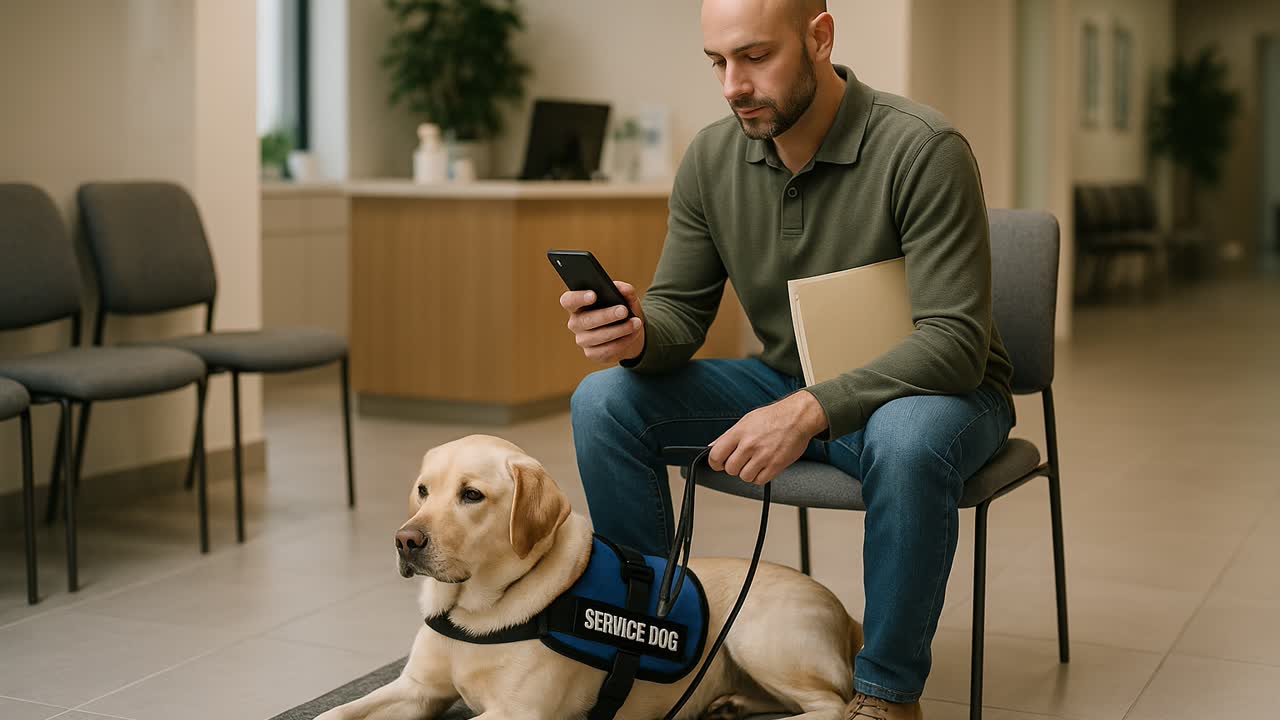
Keeping a clear, up-to-date record of a service animal’s health makes everyday care, travel, and access much smoother. A pet health tracker organizes vaccinations, medications, vet visits, behavioral notes, and emergency contacts so you can find what you need quickly and share only the information required when asked.
Quick Overview
A pet health tracker is a centralized system—paper, digital application, or combined notebook—that records preventive care, ongoing conditions, and episodic events. For handlers of service animals, a tracker supports routine wellness, helps prepare for trips or public outings, and reduces delays when third parties request health or training context. It’s strongly recommended to keep both short-term notes (daily behavior, medication doses) and long-term records (vaccine history, surgery reports) together in one place.
1. What to Include in Your Tracker
Design the tracker around the animal’s practical needs. Key entries include:
- Identification: Microchip number, breed, sex, date of birth, and a recent photo.
- Vaccinations & Preventives: Vaccine names, lot numbers, administration dates, next due dates, and parasite prevention schedule.
- Medications & Supplements: Current prescriptions, dosages, start/end dates, and administration notes.
- Vet visits & Procedures: Clinic name, veterinarian, reason for visit, diagnosis, and any aftercare instructions.
- Behavior & Training notes: Progress on tasks, triggers, calming techniques, and reinforcement strategies.
- Emergency contacts: Primary vet, nearest 24/7 animal emergency hospital, and a trusted handler or backup person.
- Travel & access documentation: Copies of recent health certificates, airline forms, and a concise summary of the animal’s accommodations during travel—kept as a reference, not a legal claim.
2. Choosing the Right Format
There’s no one-size-fits-all format. Choose what fits your routine and the environments you frequent.
- Paper binder: Low-tech, reliable, and easy to hand over when needed. Use dividers for sections like vaccines, meds, and travel.
- Digital applications: Many apps send reminders for upcoming shots and prescriptions, can store photos and PDFs, and are accessible on mobile devices.
- Hybrid approach: Keep originals (like stamped vaccine records) in a binder and store copies and quick notes in an app for fast access.
For practical documentation ideas and what handlers commonly keep on hand, see this documentation guide.
3. Best Practices for Daily and Preventive Care
Good habits reduce risk and show preparedness to others.
- Record daily medications immediately after giving them to avoid missed doses.
- Log behavioral incidents with context (time, location, trigger, response) so patterns are visible to trainers and vets.
- Set calendar reminders for upcoming vaccines, heartworm tests, dental cleanings, and parasite preventives.
- Keep a running list of food, treats, and any sensitivities to share with boarding or transport providers.
If you collaborate with a trainer, consider sharing selected notes to support consistent approaches. For real-world public access scenarios to log and practice, see ride-share access tips.
4. Preparing Health Records for Travel and Public Access
Travel and some venues commonly require proof of vaccination or a recent health check — keeping records organized helps avoid delays. It’s helpful to have
- A one-page health summary for quick presentation (vaccines, medications, emergency contact).
- Digital copies of recent vet notes and any required airline paperwork saved as PDFs or photos.
- Printed copies in a binder when traveling, plus screenshots on your phone for redundancy.
Before trips, check destination or carrier requirements and pack any recommended documents. This travel-day checklist helps you prepare without overclaiming legal status.
5. Sharing Records and Privacy Considerations
Only share what is necessary. Handlers often need to balance transparency with privacy: give vets and transport providers full access to clinical records, but provide concise summaries to non-clinical staff. When sharing electronically, prefer PDFs or secure app links and avoid posting full medical histories publicly.
Keeping a clear audit trail — who received which record and when — helps resolve misunderstandings later. If you travel or stay in hotels often, this guide on service dogs and hotels is a useful reference for what people commonly ask for.
6. Using Health Data to Improve Care
A tracker is more valuable when you use the data:
- Review behavior logs monthly to spot trends that merit training adjustments.
- Share periodic summaries with your vet to support preventive care planning.
- Track weight, appetite, and stool quality over time to catch subtle health changes early.
Digital trackers often visualize trends (weight graphs, medication adherence), which can make it easier to spot issues before they become emergencies.
FAQs
- Do I need a special certificate in my tracker for public access?
- In many situations, a special certificate is not always legally required, but it’s often strongly recommended to keep a concise health summary and vaccination record handy. Some venues and travel providers commonly ask for proof of vaccines or a recent vet check, and having it ready helps avoid delays.
- What if my service animal is on controlled medication?
- Record prescriptions in detail, bring a vet’s note when traveling, and check carrier rules in advance. Secure storage and clear labeling of doses reduce mistakes.
- How long should I keep old records?
- Keep surgical and chronic condition records indefinitely; save routine vaccine and visit summaries for at least several years. For travel, keep recent copies accessible for the trip plus digital backups.
- Can I share my tracker with trainers and caretakers?
- Yes—share role-specific sections (training notes with trainers, medication schedules with sitters). Limit access to sensitive medical information unless the recipient needs it for care decisions.
Sources
Takeaway
A consistent pet health tracker makes routine care easier, supports better medical outcomes, and reduces friction during travel or public interactions. Use a format that fits your workflow, keep essential documents both printed and digital, and share only what’s needed. For templates, record-keeping tips, and related guides, explore the linked resources above to build a tracker that works for you and your service animal.