
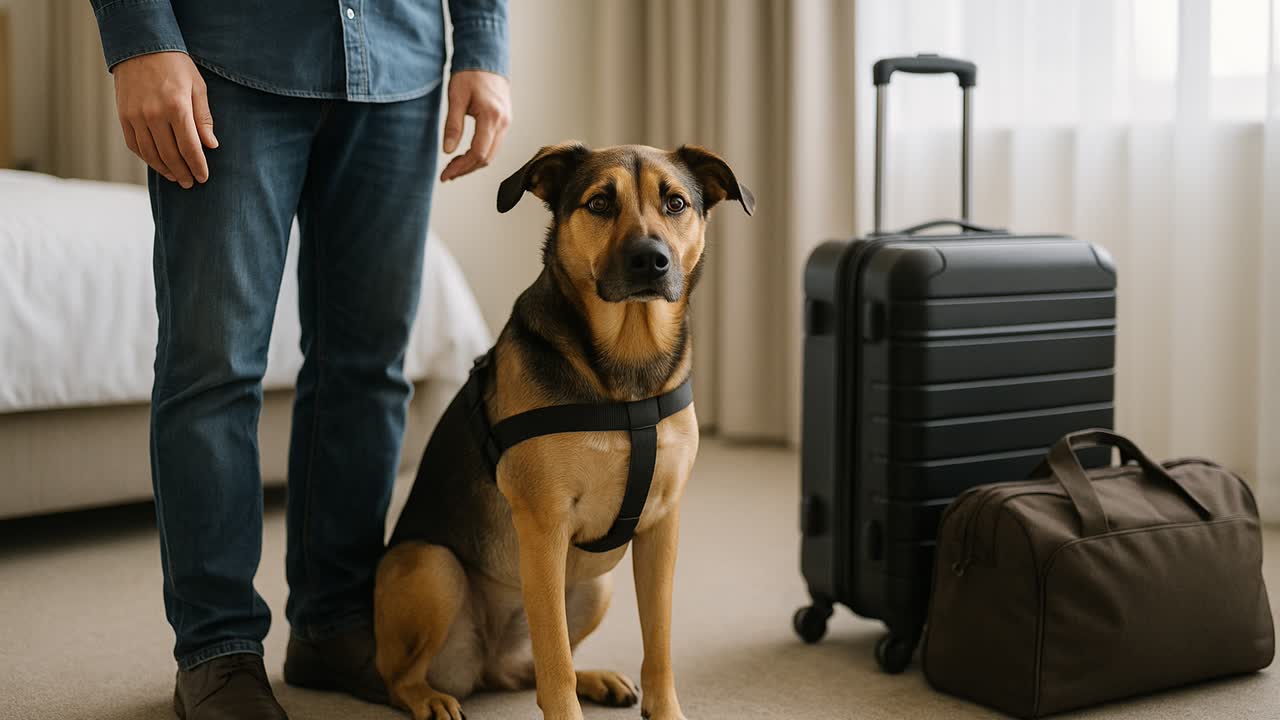
Intro (disclaimer): This guide explains common practices and practical steps about hotel fees and service dogs. It is informational only and not legal advice; rules can vary by country, state, or property. Focus on preparation to reduce friction when traveling with a service dog, and keep your booking notes and any written confirmations handy at check-in.
Quick Overview
- Hotels often separate pet fees from policies for service animals; many providers treat them differently.
- Documentation and clear communication before arrival, smooth check-in.
- Common fees such as cleaning deposits are sometimes handled on a case-by-case basis.
- Know what to expect from hotels and what you can reasonably prepare in advance.
- Training, behavior, and medical needs are central to hotel decisions.
1. What “Service Dog” Usually Means to Hotels
Hotels commonly understand a service dog as an animal trained to perform tasks for a person with a disability. If you want a refresher on definitions and training paths, see what disability qualifies and how to get your dog trained. Clear language about your dog’s role and behavior helps staff respond appropriately.
2. Fees — Common Practices (not promises)
In practice, many hotels do not charge standard pet fees for verified service dogs, while others may require a deposit or additional cleaning if damage or excessive soiling occurs. Policies differ by chain, property, or jurisdiction. To reduce surprises, ask the property about their approach and whether they treat your dog under their service-animal guidelines.
3. Documentation and Communication
Bring concise documentation explaining the training, or role, if you have it, and be ready to describe the tasks your dog performs. While documentation expectations vary, linking to helpful resources, such as PSD certification guidance, can make conversations smoother. Confirm reservation notes (e.g., “service dog on property”) and call ahead to the front desk when traveling late or during busy periods.
4. Behavior and Safety Expectations
Hotels prioritize guest comfort and safety. Well-behaved, leashed dogs that remain under control are far less likely to trigger fees or complaints. Prepare a short plan for bathroom breaks, crate or bed arrangements, and how you’ll handle barking or disturbance to minimize potential conflicts.
5. Special Charges Often Tied to Damage or Cleaning
Even where hotels waive pet fees for service animals, they may charge for actual damage or extraordinary cleaning. Photograph the room on arrival and document any pre-existing issues. Agree on handling such charges up front when possible to avoid disputes at checkout.
6. What to Do If a Hotel Pushes Back
If a front-desk staff member appears uncertain or insists on fees, stay calm and ask to speak with a manager. Offer to provide concise information about your dog’s role and reference reliable resources like the property’s corporate policy link or service animals and hotels.
In practice, many hotels do not charge standard pet fees for verified service dogs, while others may require a deposit or additional cleaning if damage or excessive soiling occurs. Policies differ by chain, property, or jurisdiction. To reduce surprises, ask the property about their approach and whether they treat your dog under their service-animal guidelines.
7. Booking Strategies to Reduce Friction
Book directly with the hotel and add a reservation note indicating that a service dog will be traveling. Use loyalty program channels or corporate reservations where possible — they often provide clearer policy guidance. When in doubt, call during business hours and request a confirmation email that your dog is accepted under service-animal provisions.
8. International Travel and Jurisdiction Differences
Rules differ worldwide. When traveling internationally, check both airline and destination-entry rules as well as local hotel practices. Useful background material can be found in general knowledge resources like the knowledge center, but always verify the hotel’s local policy before arrival.
FAQs
- Can a hotel charge me a pet fee for my service dog?Many properties treat service dogs differently from pets, but practices vary. Some hotels waive routine pet fees while reserving the right to seek payment for damage or excessive cleaning. Confirm with the hotel in advance.
- Do I need special paperwork to avoid fees?Requirements differ by property and location. Helpful paperwork can speed check-in, but hotels usually focus on behavior and the dog’s role. Carry concise information about your dog’s tasks and training, and consider including links to certification resources to clarify questions.
- What if staff ask for proof of a disability?Hotels typically should not ask for detailed medical records. If asked for clarification, provide brief, task-focused information about what your dog does and offer relevant documentation that respects your privacy.
- Can I be charged for damage caused by the dog?Yes — many hotels reserve the right to charge for actual damage or extraordinary cleaning regardless of a dog’s status. Document the room on arrival and discuss any concerns with management as they arise.
- Should I tell the hotel in advance?Yes. Notifying the hotel and securing a written confirmation helps reduce confusion and supports a smoother stay.
- Are service dogs treated the same everywhere?No. Practices and legal protections vary by country and region. Use local resources and hotel corporate policy to understand the specifics for your destination.
Sources
- Global Animal Certification knowledge — general resource hub
- Service animals and hotels — practical pre-check-in advice
- PSD certification — certification context
- U.S. Department of Justice, ADA Title II/III resources (search “ADA service animals hotels”)
- U.S. Department of Housing and Urban Development guidance on assistance animals (search HUD)
Takeaway
Hotels vary in how they treat service dogs and whether they apply pet fees. The best way to avoid surprises is to prepare: know your dog’s tasks, bring concise documentation, notify the hotel in advance, and document your room on arrival. These practical steps make stays smoother and reduce the chance of unexpected charges.