
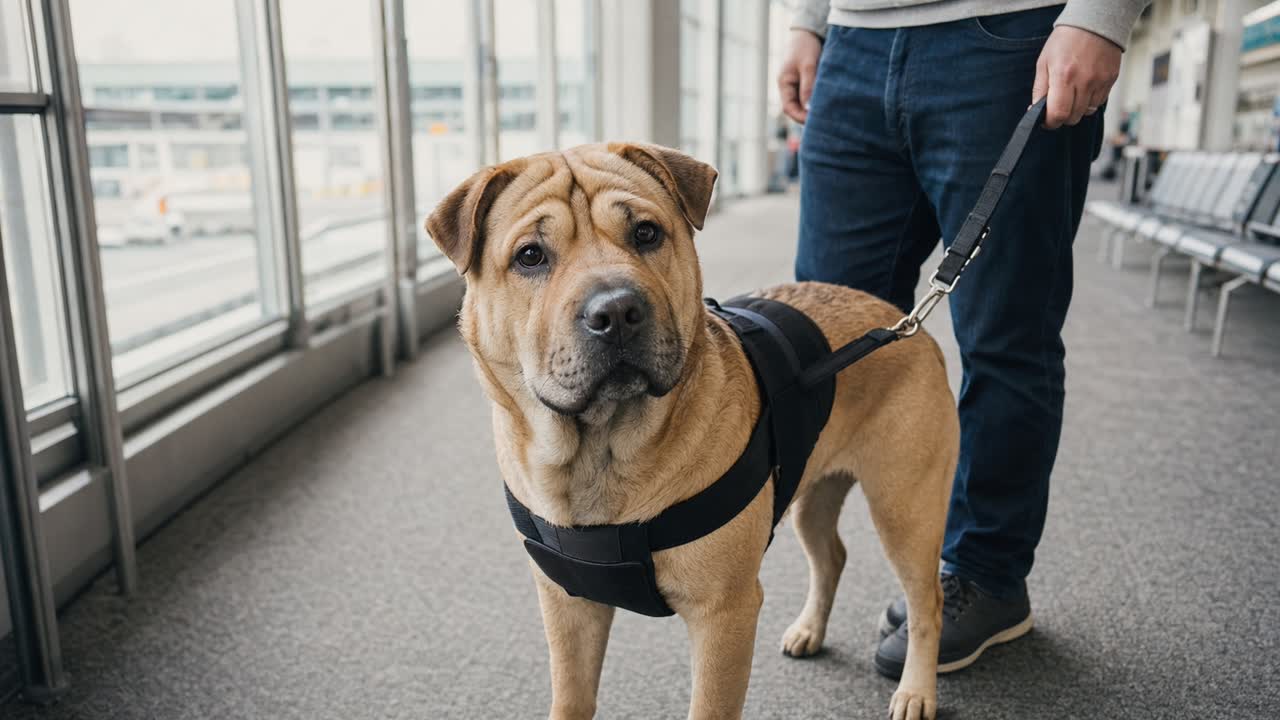
Planning for hospital admission as a service dog handler requires clear preparation for both the handler’s needs and the service dog’s welfare. A hospital admission plan helps reduce stress during medical stays and supports smoother communication with healthcare staff.
Service dogs provide critical support for many individuals with disabilities, and hospitals must accommodate them under federal laws, which include the Americans with Disabilities Act (ADA). Still, hospital environments can create challenges, including infection control policies, space limits, and staff unfamiliarity with service animal rights.
This article outlines practical steps to create an effective hospital admission plan for service dog handlers. It covers key considerations for communication, animal care during hospitalization, and the legal context to help handlers advocate for their rights while ensuring their service dog’s needs are met.
Quick Overview
- Prepare information that explains your disability and the tasks your service dog performs, without disclosing unnecessary medical details.
- Notify the hospital in advance that you have a service dog to discuss accommodations and policies.
- Plan for your service dog’s care needs during your admission, including bathroom breaks, feeding, and rest.
- Understand your rights under the ADA and hospital policies regarding service animals.
- Coordinate with hospital staff to identify a safe and accessible area for your dog.
- Keep emergency contact information for your dog’s care outside the hospital if needed.
- Maintain unmistakable communication with healthcare providers about your service dog’s role in your care.
1) Understanding the Importance of a Hospital Admission Plan for Service Dog Handlers
Hospital stays can be unpredictable, and having a plan helps keep your service dog integrated into your care. A hospital admission plan clarifies expectations, reduces barriers, and helps you answer questions about your dog’s presence and role.
Unlike pets, service dogs are working animals trained to assist with specific disabilities. Hospitals must allow service dogs in patient areas, except in rare circumstances where their presence would intrinsically modify the nature of the service or represent a direct threat to safety or health. Knowing this distinction and planning accordingly helps avoid misunderstandings.
2) Preparing Communication before Admission
While federal law does not require a service dog certificate or ID, having clear, responsible information can ease communication. This may include a letter from a qualified healthcare professional describing your disability and the tasks your service dog performs. Avoid sharing detailed medical records unless necessary.
Contact the hospital’s patient services or disability coordinator in advance to inform them about your service dog and discuss any facility-specific policies. This proactive step allows you to identify accommodations, such as designated areas for your dog to rest or relieve itself.
For more on service animal rights and screening, see the service screening section.
3) Coordinating Care and Welfare for Your Service Dog During Your Hospital Stay
Hospitals are not always designed with animals in mind, so plan for feeding, water, and bathroom breaks. If your stay may be extended, arrange help in advance if you may be unable to handle these tasks yourself.
Bringing familiar items like your dog’s bedding, leash, and favorite toys can help reduce anxiety. Ensure your service dog is clean and healthy before admission to minimize the risk of infections.
Review hospital policies on animals and infection control, and work with staff to find suitable accommodations that protect both patients and your service dog.
4) Navigating Hospital Policies and Legal Rights
The ADA requires hospitals to allow service dogs in patient areas unless there is a legitimate health or safety reason to exclude them. However, hospitals may have specific policies to balance infection control and patient safety. Understanding your rights and the hospital’s responsibilities can help you advocate effectively.
You may be asked only two questions by hospital staff: whether the dog is a service animal required because of a disability, and what tasks the dog is trained to perform. Detailed inquiries about your disability or demands for documentation beyond this are not permitted.
Learn more about public access at public access rules.
5) Preparing for Potential Challenges and Solutions
Despite legal protections, some hospitals may initially resist accommodating service dogs due to unfamiliarity or concerns. Having a clear hospital admission plan for service dog handlers helps you respond calmly and confidently.
If a hospital questions your service dog’s presence, calmly explain the dog’s role and provide any prepared information. If necessary, ask to speak with a disability coordinator or patient advocate.
In cases where your dog cannot remain with you, arrange for trusted care outside the hospital to ensure your dog’s safety and well-being.
6) Discussing Your Service Dog with Healthcare Providers and Hospital Staff
Open communication with your healthcare team about your service dog’s role can improve your care experience. Inform providers how your dog assists you, especially if the dog’s tasks relate to medical needs, such as alerting to seizures or providing mobility support.
Healthcare staff may need guidance on how to interact with your service dog appropriately, such as refraining from petting or distracting the dog while it is working. If your dog may need a refresher before a stressful hospital stay, conduct a quick behavior screening beforehand.
For more guidance on PSA considerations, see PSA check.
7) Documenting Your Hospital Admission Plan for Service Dog Handlers
Keep a written plan that outlines your service dog’s needs, your contact information, emergency contacts for your dog’s care, and any relevant training information. This document can be shared with hospital staff as needed to clarify your expectations and support smooth coordination.
A simple tracking app can also help you keep records, medication notes, and caregiver instructions in one place.
Regularly upgrade your plan to reflect changes in your health, your dog’s training, or hospital policies.
For general rules and guidance, refer to the rules guide.
For related guidance, see our rules guide and service screening.
For related guidance, see our public access rules and PSA check.
FAQs
-
Is a hospital allowed to refuse to admit my service dog?
- Hospitals must allow service dogs unless the dog represents an explicit threat to health or safety or would fundamentally alter the nature of the service. If refused, ask for a clear explanation and request to speak with a disability coordinator.
-
Do I need to provide proof or certification for my service dog when admitted to a hospital?
- No official certification or ID is legally required. You may be asked if your dog is a service animal and what tasks it performs. Providing a letter from a healthcare professional can sometimes ease communication, but it is not mandatory.
-
How can I ensure my service dog’s care during a long hospital stay?
- Plan ahead for feeding, bathroom breaks, and rest. Arrange for assistance if you will be unable to care for your dog, and bring familiar items to reduce stress.
-
What questions can hospital staff legally ask about my service dog?
- Staff may only ask what tasks the dog is trained to perform and if the dog is a service animal required because of a disability. They cannot ask about your disability or require detailed documentation.
-
Can I bring my service dog into all areas of the hospital?
- Generally, service dogs are allowed in all patient areas. However, some restricted zones for infection control or safety may prohibit animals from entering. Discuss these areas with hospital staff in advance.
-
What should I do if hospital staff are unfamiliar with service animal laws?
- Provide calm, clear information about your rights and the dog’s role. Offer to share educational resources or ask to speak with a disability services coordinator.
-
Is it helpful to have a written hospital admission plan for my service dog?
- Yes, a written plan clarifies your needs and helps hospital staff understand how to accommodate your service dog effectively.
Sources
- ADA.gov: Service Animals
- ADA.gov: Service Animals FAQ
- National Association of the Deaf: Public Accommodations
- CDC: Dogs
- CDC: Pet Travel Safety
- HUD: Assistance Animal Notice Fact Sheet (PDF)
Takeaway
Developing a hospital admission plan for service dog handlers is a proactive step that supports your rights and your service dog’s well-being during medical stays. Clear communication, accurate information, and advanced coordination with hospital staff help minimize challenges and ensure your service dog remains an effective support.
- Notify the hospital early and discuss accommodations.
- Prepare information focused on your dog’s tasks and your needs.
- Plan for your service dog’s care and comfort throughout your stay.
For more on service animal access and screening, see service screening, public access rules, and PSA check.