
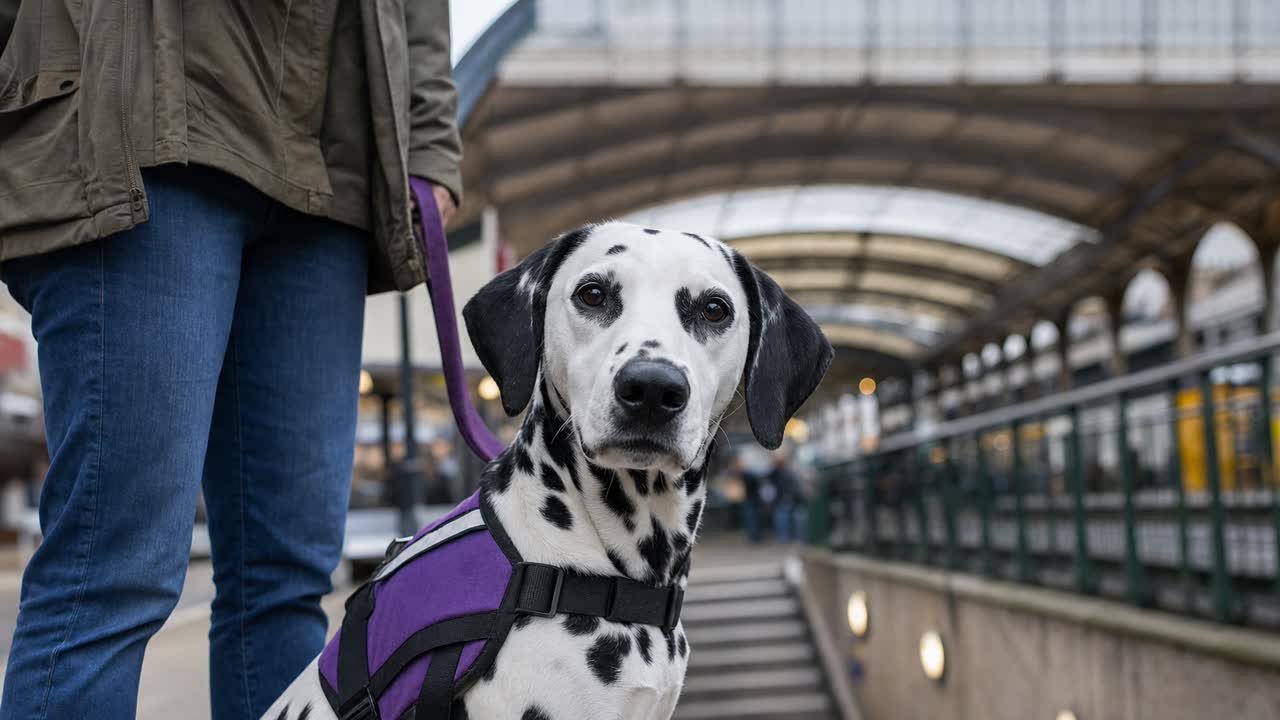
Disaster shelter access for service dogs is a critical concern for individuals who rely on these animals for assistance during emergencies. Service dogs provide essential support to people with disabilities, and ensuring they can accompany their handlers to disaster shelters is both a legal right and a practical necessity. Acknowledging the rules and best practices for bringing service dogs into disaster shelters can reduce stress and confusion during evacuation situations.
This article offers a clear overview of disaster shelter access for service dogs, including what to expect, how to prepare, and how to effectively communicate with shelter staff. It also addresses common questions and provides guidance on documentation and behavior expectations to facilitate smooth entry and stay at shelters.
Quick Overview
- Service dogs are allowed in disaster shelters under federal law, including the ADA.
- Handlers may be asked only a limited number of questions about their service dog’s tasks or disability.
- Proper behavior and control of the service dog are essential to maintain access.
- Documentation, such as a letter from a qualified clinician, can help, but is not legally required.
- Preparing a disaster kit for the service dog can ease shelter transitions.
- Communication with shelter staff before arrival can reduce confusion.
- Service dogs must be permitted to escort their handlers in all areas of the shelter.
- Understanding shelter policies and federal regulations helps protect your rights.
1) Legal Framework for Disaster Shelter Access for Service Dogs
Federal laws, such as the Americans with Disabilities Act (ADA), require that service dogs be permitted to escort their handlers in public places, including disaster shelters. The ADA defines a service dog as one that is individually trained to carry out tasks for someone with a disability. Under these rules, shelters cannot exclude service dogs or require special fees.
It is important to note that while shelters must allow service dogs, they may ask only two questions: what work or task the dog has been trained to perform, and whether the dog is a service animal required because of a disability. They cannot ask for documentation or proof of certification.
Understanding these protections can help you advocate for your rights and avoid unnecessary barriers during shelter access. For more detailed information, review the public access guide.
2) Preparing Your Service Dog for Disaster Shelter Stays
Preparation is key to ensuring your service dog can accompany you smoothly into a disaster shelter. This includes maintaining up-to-date vaccinations and health records, as many shelters require proof of vaccinations for all animals.
Additionally, training your service dog to remain calm and well-behaved in crowded, noisy environments is essential. This lessens the likelihood of disruptions and helps shelter staff feel comfortable with your dog’s presence.
Consider assembling a disaster kit for your service dog containing food, water, medication, waste bags, and familiar items like a blanket or toy. Having these ready can ease the transition and reduce stress for both you and your dog.
3) Communicating with Shelter Staff and Officials
Before arriving at a disaster shelter, try to contact shelter staff to inform them that you will be bringing a service dog. This can help staff prepare and avoid misunderstandings.
When you arrive, calmly explain that your dog is a service animal trained to help you with a disability. If asked, describe the specific tasks your dog performs without disclosing sensitive medical information.
Being proactive and clear in your communication can help prevent delays and ensure your rights are respected. For guidance on respectful and effective communication, see the service check resources.
4) Documentation and Records for Disaster Shelter Access
While federal law does not require service dogs to have certificates, IDs, or registration, having documentation such as a letter from a qualified healthcare provider or a training program evaluation can sometimes facilitate smoother interactions with shelter staff.
These documents should focus on the necessity of the service dog for your disability and the tasks the dog performs. Training logs or behavior assessments can also be helpful in showing your dog’s suitability for public access.
Remember that documentation is a practical tool rather than a legal requirement. The key is to maintain responsible records to support your needs if questions arise.
5) Behavior Expectations for Service Dogs in Disaster Shelters
Service dogs must be under control at all times while in a disaster shelter. This means they should be leashed, harnessed, or tethered unless these devices may obstruct the dog’s work or the handler’s disability.
The dog should be well-behaved, not disruptive, and able to remain calm in a crowded, sometimes chaotic environment. Barking, growling, or aggressive behavior can lead to removal from the shelter.
Handlers should be prepared to manage their service dog’s needs discreetly and responsibly, including bathroom breaks and feeding.
For additional guidance on behavior, consult the behavior check resources.
6) Navigating Shelter Policies and Potential Challenges
Disaster shelters may have specific policies regarding animals, but these must comply with federal disability laws. If you encounter resistance or misunderstanding, calmly explain the legal protections for service dogs and your rights.
If a shelter requests documentation beyond what is allowed or tries to exclude your service dog, you can plead to speak with a manager or contact disability rights organizations for assistance.
Understanding the laws and having clear communication strategies can help you navigate these challenges effectively.
7) Additional Considerations for Travel and Housing During Disasters
Disaster shelter access for service dogs is one part of a broader plan that includes travel and housing considerations. If you must evacuate your home, ensure your service dog can accompany you in transportation and temporary housing.
Some shelters may be part of larger emergency housing programs that require additional coordination. Knowing your rights and planning in advance can reduce friction during these stressful times.
For more on housing rights related to assistance animals, see the regulations section.
For related guidance, see our regulations and service check.
For related guidance, see our behavior check and public access guide.
FAQs
-
Are service dogs allowed in all disaster shelters?
-
Yes, under the ADA, service dogs must be allowed in disaster shelters that are public accommodations. They cannot be excluded based on their status as service animals.
-
Can shelter staff ask for proof that my dog is a service animal?
-
No, staff can only ask if the dog is required because of a disability and what tasks it performs. They cannot request documentation or certification.
-
What if my service dog misbehaves in the shelter?
-
If a service dog is out of control and the handler does not take effective action to control it, the dog may be excluded from the shelter.
-
Should I bring documentation for my service dog to a disaster shelter?
-
Documentation is not required by law, but it can help to clarify your dog’s role and reduce confusion. A letter from a healthcare professional or training records may be useful.
-
How can I prepare my service dog for a disaster shelter environment?
-
Training your dog to remain calm around crowds and noise, keeping vaccinations up to date, and preparing a disaster kit for your dog are important steps.
-
Can I bring my service dog into all areas of the disaster shelter?
-
Yes, service dogs must be allowed to accompany their handlers in all areas where the public is normally allowed.
-
What should I do if a shelter tries to deny access to my service dog?
-
Politely explain your rights under the ADA and ask to speak with a supervisor if needed. You may also seek assistance from disability advocacy groups.
-
Are emotional support animals allowed in disaster shelters?
-
Emotional support animals do not possess similar legal protections as service dogs and may not be allowed in all disaster shelters.
Sources
Takeaway
Disaster shelter access for service dogs is protected by federal law, but smooth entry requires preparation, clear communication, and responsible behavior management. Knowing your rights and practical steps can help ensure your service dog accompanies you safely during emergencies.
- Understand the ADA protections and what questions shelter staff can legally ask.
- Prepare your service dog with training, health records, and a disaster kit.
- Communicate proactively with shelter personnel to reduce confusion and delays.
For more information on service animal access and related topics, see our regulations, service check, behavior check, and public access guide.