
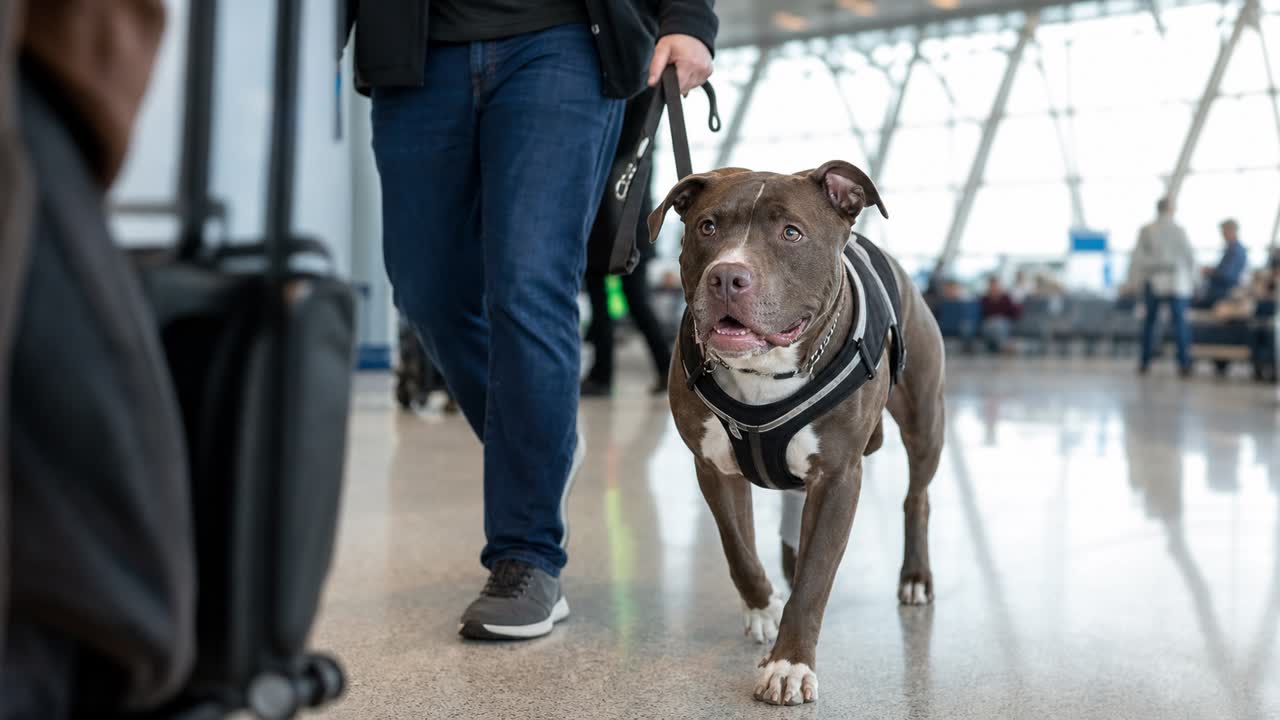
Cardiac alert service dog travel preparation is less about collecting paperwork and more about reducing avoidable stress before you leave home. If your dog alerts to changes such as heart rate shifts, fainting risk, or other cardiac-related events, the travel plan should protect both access and response time.
This topic is narrower than general service-dog vacation planning. The main issue is not just getting through an airport or hotel check-in. It is making sure your dog can keep working reliably in crowded, noisy, unfamiliar places while you still have what you need if an alert happens in transit.
For most trips, the safest approach is to prepare in layers: health and medication planning, realistic route timing, behavior refreshers, airline or hotel logistics, and simple records you can reach quickly. That practical approach usually matters more than optional gear or appearance.
Quick Overview
- Start cardiac alert service dog travel preparation several days ahead, not the night before.
- Focus on working reliability, rest breaks, hydration, medication timing, and backup plans for alerts.
- Review air travel rules before flying, especially airline forms and timing.
- Pack task-related essentials separately from regular luggage so they stay accessible.
1) Define the Trip Demands before You Pack
Begin by asking what your dog will actually need to do on this trip. A short car ride to a nearby appointment is different from a full day at the airport, a long layover, or several hotel nights. A cardiac alert dog may need to stay focused through lines, elevators, boarding, meal stops, and sudden schedule changes.
That is why travel planning should start with the environment, not the suitcase. If your route includes public spaces where staff or bystanders may not understand access rules, it helps to review a public access guide in advance so your responses remain calm and consistent.
If you are flying, build in extra time. If you are driving, identify rest stops in advance. If you are staying overnight, think about where your dog will decompress after working. Good planning reduces fatigue, and fatigue can affect both handler well-being and dog performance.
2) Refresh Task Reliability and Public Behavior before Departure
A travel week is a good time for a brief skills check, not a major training overhaul. Your goal is to confirm that the dog can alert, recover, settle, and refocus in distracting settings. That may include practicing calm waiting, tight turns through crowds, elevator manners, restaurant settling, and short work periods around rolling bags or loudspeaker announcements.
If you want a structured pre-trip review, a simple service check can help you notice weak spots before they become travel problems. This is especially useful if the dog has been working mostly in familiar routines and has not recently handled dense public traffic.
Do not assume that a dog who works well at home will automatically work the same way after a disrupted sleep schedule, long security line, or delayed connection. A short refresher can make the trip smoother without overcomplicating the process.
3) Pack for Alerts, not Just for Access
Your packing list should reflect the medical reality of the trip. Put medications, water, emergency contacts, feeding supplies, cleanup items, and any handler-specific tools within easy reach. Keep your dog’s essentials separate from checked luggage whenever possible.
Many handlers also keep a compact folder or note set with vaccination records, veterinary contact information, feeding instructions, medication schedule, and a brief description of the dog’s tasks. Those records are often helpful for organization and peace of mind, even when they are not legally required for general public access.
This is also the right time to review broader travel advice for route planning, breaks, and destination setup. For a cardiac alert team, the main question is simple: if an alert happens away from home, do you have what you need within reach?
4) Handle Flights and Airports with Less Friction
Air travel usually creates the most stress because it adds forms, timing, and dense public movement. Under current U.S. Department of Transportation rules, airlines may require specific service-animal forms for flights. That is different from ordinary public-access situations, so check the airline process directly and do it early.
Try to avoid stacking extra variables onto the travel day. If possible, choose flights with manageable connection times and avoid the most punishing schedule for your health. A cardiac alert dog may still work well during travel, but a rushed handler, missed meal, or skipped medication window can increase strain on the whole team.
At the airport, arrive with enough time for toileting, water, and a calm settle before boarding. Keep gear simple and functional. Recognition items may sometimes reduce confusion, but what matters most is that the dog is under control and able to perform trained work when needed.
5) Prepare for Hotels, Rideshares, and Unfamiliar Spaces
Once you reach your destination, the next challenge is transition. Hotel corridors, automatic doors, cleaning carts, ice machines, and late-night noise can all affect your dog’s focus. Give your dog a few quiet minutes to orient before expecting perfect settling behavior in a brand-new room.
It also helps to decide in advance how you will explain the dog briefly if asked in a lawful setting. Keep it short and calm. Long arguments usually make travel harder, not easier. In taxis, rideshares, hotel lobbies, and restaurants, clear behavior is often your strongest practical support.
For cardiac-related work, think through what happens if you need help quickly in the room, lobby, or parking area. Put medications, shoes, phone, and dog supplies in consistent places so you are not searching during a stressful moment.
6) Build a Backup Plan for Delays, Illness, and Off Days
No travel plan is complete without a backup plan. Weather delays, missed flights, stomach upset, heat, and exhaustion can all interfere with a working dog’s routine. That does not mean the trip should be canceled automatically, but it does mean you should be honest about limits.
If your dog seems unusually stressed, dehydrated, or unable to settle, adjust the schedule. If your own symptoms are becoming harder to manage, pause before pushing through the next stop. Traveling with a cardiac alert dog works best when the plan is flexible enough to prioritize health rather than forcing a perfect itinerary.
A solid backup plan usually includes an alternate rest stop, extra medication cushion if medically appropriate, a destination veterinary option, and a simple contact list for people who should know where you are. That kind of preparation is practical, not dramatic, and it can make the whole trip feel more manageable.
FAQs
Do I need special proof for travel with a cardiac alert service dog?
Usually, no single document covers every setting. For public access in the U.S., behavior and task training and service-dog status matter more than certificates or ID cards. For air travel, airlines may require their own forms.
What should I practice right before a trip?
Focus on calm settling, distraction recovery, toileting on schedule, leash manners, and reliable task response in busy environments. Keep practice short and specific.
Can a cardiac alert service dog fly in the cabin?
In many cases, yes, if the dog meets airline and federal service-animal requirements and can behave appropriately in the cabin. Always verify the airline’s current process before departure.
What records are useful even if they are not legally required?
Vaccination information, veterinary contacts, feeding details, medication schedule, emergency contacts, and a brief task summary can all be useful for organization during travel.
Should I use a vest or visible identification?
It is not always legally required, but some handlers find simple identification useful for smoother interactions. It does not replace training, control, or task reliability.
Sources
- U.S. DOT: Service Animals
- CDC Yellow Book: Traveling with Pets and Service Animals
- CDC: Pet Travel Safety
- ADA.gov: Service Animals FAQ
- ADA.gov: Service Animals
Takeaway
Good travel preparation for a cardiac alert service dog is about keeping the team functional, calm, and ready for real-world disruptions. The best plan usually combines legal awareness, practical packing, realistic scheduling, and a working dog who can still perform in unfamiliar places.
- Prepare for alerts and recovery, not just transportation logistics.
- Review airline, destination, and public-access friction points before the trip.
- Keep records, supplies, and backup plans organized so stress stays lower on travel day.