
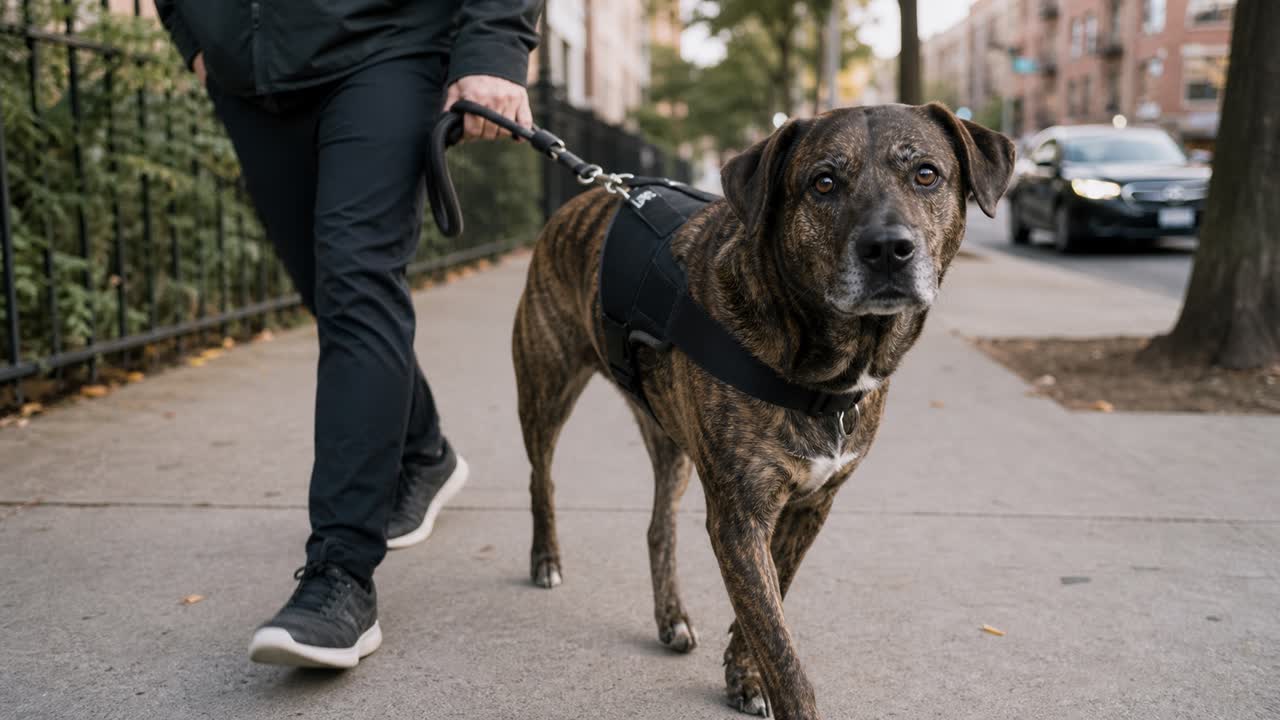
If you are wondering about a service dog at county fairs, the short answer is usually yes: a trained service dog can generally accompany a person with a disability into public-facing fairgrounds, even when pets are restricted.
County fairs are not the same as a quick store errand. They combine public access with many moving parts: ticket lines, parking lots, animal barns, grandstands, food rows, and temporary fencing. A service dog that does well in calmer spaces may still need extra preparation for this kind of environment.
This article is about practical fair access, not housing paperwork or online documentation services. If you want the broad legal baseline first, start with the general public access guide and then think through whether the fair setting itself is a good fit for your dog that day.
Quick Overview
- A service dog is usually allowed at county fairs that are open to the public, even when ordinary pets are banned.
- Fair staff may still address safety, blocking, or disruptive behavior if the dog is out of control.
- Heat, dust, livestock areas, loudspeakers, food, and dense crowds are often the biggest real-world challenges.
- Some zones may require extra caution due to animal traffic, ride noise, or narrow walkways.
1) What Service Dog at County Fairs Usually Means
A county fair is still a public-facing environment, which usually means a legitimate service dog may accompany its handler in areas where the public is allowed. That matters because many fairs post blanket pet rules. Those rules often apply to companion animals, but not in the same way to a task-trained service dog working for a person with a disability.
That said, access is only the first layer of the problem. A fair mixes together things that can challenge even a solid working dog: fried-food smells, loose straw, unpredictable children, strollers, music, tractors, and animal sounds. A dog that is legally allowed to enter still has to be behaviorally ready for the environment inside.
If you are still thinking through whether your dog fits the basic standard for these public-facing settings, a quick service check can help frame the question before you build a whole fair-day plan around it.
2) Entry Gates, Tickets, and First-Contact Issues
The entrance often sets the tone for the day. Fair gates can mean ticket scanners, temporary bag checks, security staff, crowd bunching, and lots of visual clutter. If the dog enters calmly, stays close, and handles that first burst of stimulation without pulling or weaving, the rest of the visit is often easier.
Some staff may be unsure how to apply a no-pets policy. In most cases, a brief explanation is better than a long argument. The goal is to move through the checkpoint smoothly, not to turn the gate into a debate about online myths or official-looking papers.
If your dog struggles most at bottlenecks, it helps to plan around them. Early arrival, shorter lines, and a more direct route in can make a big difference before the fairgrounds even open up.
3) Livestock Barns, Ride Areas, and Food Rows
County fairs are unusual because they often combine public areas with strong animal and agricultural cues. Livestock barns may introduce smells, noise, and moving animals that many service dogs do not encounter often. Ride zones add mechanical noise, flashing lights, and sudden movement. Food rows create dense traffic and a constant stream of dropped snacks.
This does not mean a service dog can never attend. It means you should think zone by zone rather than treating the fair as a single, uniform environment. Some teams do well near open walking areas but struggle near barn traffic or packed concession lanes. Others can handle animal smells but not the nighttime ride section.
Handlers should be realistic here. If a certain area predictably overloads the dog, it may be smarter to skip that section rather than force the issue just because the dog can technically be there.
4) Heat, Ground Conditions, and Physical Comfort
County fairs are often long, hot, and dusty. Even a dog that behaves well can become physically uncomfortable from hot pavement, trampled grass, gravel, mud, spilled drinks, or long periods without a real rest break. That discomfort can show up later as slower task response, irritability, or reluctance to keep moving.
Think through practical needs before you arrive: water, shade, timing, and whether the dog can leave the crowd quickly if conditions change. If you use notes for pacing, medication reminders, hydration timing, or route planning, some handlers find it useful to keep that information in our app rather than juggling paper in a busy fairground.
Comfort matters because public access is not just about whether staff allow entry. It is also about whether the dog can keep working without being pushed past safe limits.
5) What Behavior Matters Most at County Fairs
The behaviors that matter most at a county fair are not flashy ones. They are the practical fundamentals: a close heel, a clean leave-it, the ability to settle briefly near benches or bleachers, and a steady response around food, children, and sudden noise.
This is one of the better places to be honest about readiness. A dog that startles at speakers, fixates on livestock, or scavenges dropped food may not be ready for a fair just because the handler wants to go. If you are unsure where the weak points are, taking a careful look at public behavior before the event usually saves you stress later.
County fairs reward boring reliability. The less the dog feels like part of the spectacle, the smoother the visit usually goes.
6) When to Leave or Change Plans
Not every fair outing should become an endurance test. One of the most useful skills for handlers is recognizing when the environment has become too much. Heavy panting, poor focus, repeated scanning, slow task response, or obvious stress around crowds and sound can all mean it is time to cut the visit short.
Leaving early is not a failure. Sometimes it is the best public-access decision available. A short, successful visit is often better than pushing the dog through a long, overstimulating afternoon and ending with a bad experience for everyone involved.
If the fair is important to you, consider smaller goals: arriving earlier, taking a shorter route, or skipping the loudest sections. The right question is not “can the dog technically enter?” It is “Can this team do this well today?”
For related guidance, see our knowledge hub, service check, public access guide, and our app.
FAQs
Can I bring a service dog to county fairs if pets are banned?
Can the staff ask me to leave if my dog is struggling?
They may address actual safety or behavior problems, especially if the dog is out of control or creating a direct issue in the space. The concern should be the conduct, not a blanket anti-dog assumption.
Are livestock barns harder for service dogs?
Often, yes. Animal smells, movement, and sound can be a lot for dogs that are otherwise steady in standard urban or indoor public environments.
What should I think about before taking a service dog to county fairs?
Think about heat, crowd density, food distractions, noise, ground conditions, and whether the dog has enough public neutrality for that level of stimulation.
Does a vest or certificate make fair access easier?
Sometimes visible gear may reduce confusion at first glance, but calm behavior and practical readiness matter more than certificate-led proof in real-world fair settings.
Sources
- ADA.gov: Service Animals
- ADA.gov: Service Animals FAQ
- CDC: Dogs
- CDC: Pet Travel Safety
- HUD: Information for Persons with Disabilities
Takeaway
A service dog at county fairs is usually allowed, but fair access and fair readiness are not the same thing. The best outcomes come from honest planning, strong public behavior, and knowing when the environment is too much for the dog.
- Think zone by zone instead of treating the whole fair as one simple outing.
- Prioritize heat management, crowd control, and reliable basic behavior.
- Leave early or adjust the plan if the dog is showing clear signs of overload.