
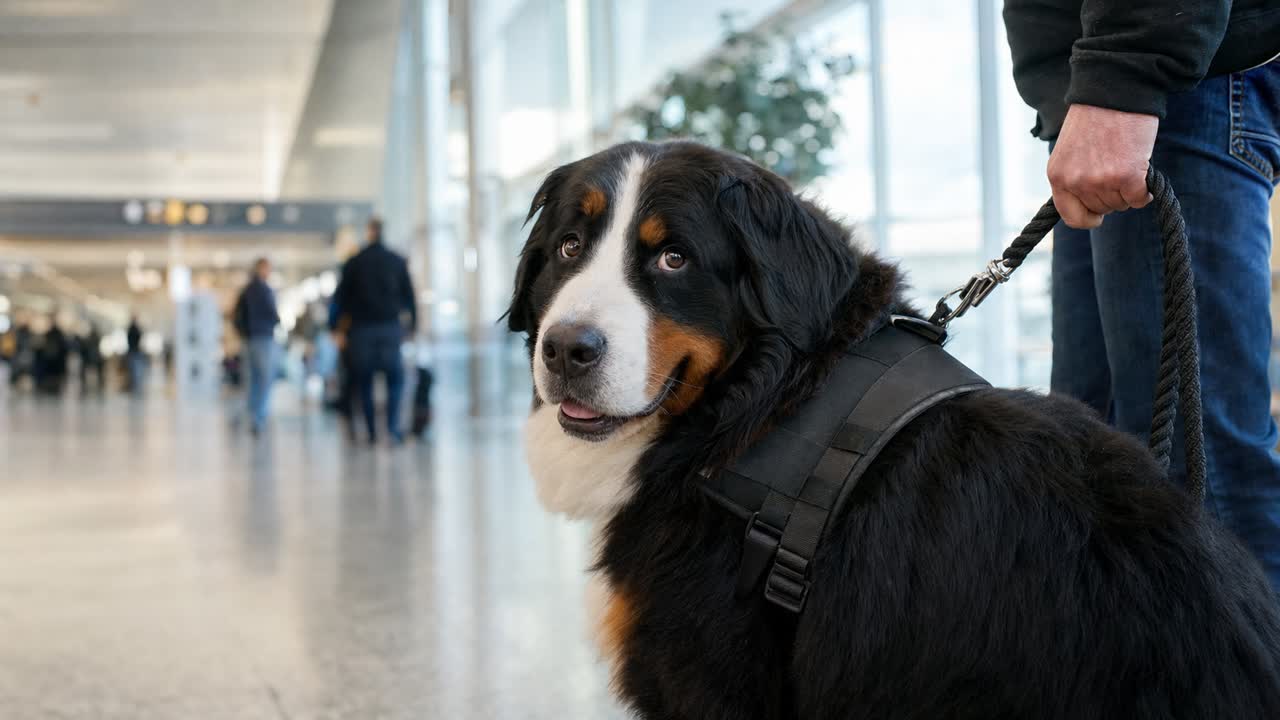
Service dog grooming after beach trips matters because salt, sand, sun, and moisture can build up fast and affect both comfort and working performance. If your dog goes from a beach outing back into public spaces, the goal is not a perfect spa routine. It is getting the coat, paws, ears, and gear clean enough to prevent irritation, odor, and distraction.
This topic is different from public-access rights or travel paperwork. It is a practical care routine that helps a working dog stay healthy and ready for the next outing. A dog that comes home coated in sand or dried salt may be more likely to itch, lick paws, track debris into vehicles, or struggle with comfort during later tasks.
In real life, service dog grooming after beach trips usually means a quick rinse, careful drying, paw checks, and a check of harness contact points. That kind of maintenance supports working life more than fancy products do. For the broader context of where clean, controlled working dogs show up, the general-public access guide can help connect grooming to daily function.
Quick Overview
- Rinse salt and sand off as soon as practical after a beach trip.
- Pay special attention to paws, underbelly, ears, tail, and harness contact areas.
- Drying matters almost as much as rinsing, especially for dogs with dense coats.
- Check for hot spots, paw irritation, broken skin, and trapped sand before the next outing.
1) Why Service Dog Grooming after Beach Trips Matters
Beach exposure creates a very specific mess. A pet dog might simply shake off and nap, but a service dog often needs to return to work in public-facing spaces where comfort, focus, and cleanliness matter more.
This is not about making the dog look polished for appearances. It is about preventing small irritations from turning into real problems. Sand rubbing inside the paw pads, salt drying on the skin, or a damp harness strap under the chest can affect how the dog moves, settles, and responds to tasks.
If you are still evaluating whether your dog’s role and routine fit the bigger picture of working-dog life, a quick service screening can help connect day-to-day care with overall readiness.
2) What to Do Immediately after the Beach
The best first step is usually simple: rinse before the sand fully dries into the coat. If you are driving home first, keeping a towel and water in the car can make the cleanup easier before the dog settles into a seat or mat.
Do not forget the paws. Sand and salt often hide between toes and around the nail beds, especially if the dog has longer fur on the feet. That buildup can later cause licking, soreness, and a gritty residue inside the home or vehicle. A short rinse and visual check right away usually saves time later.
This is also a good time to remove and inspect gear. Harnesses, vests, and collars can trap salt and moisture where the skin is most likely to chafe on the next shift.
3) Bathing, Shampoo, and Coat Care
Not every beach trip requires a full bath. Often, a thorough rinse is enough if the dog was only lightly exposed and does not smell, itch, or feel sticky. But if the coat is coated in salt, sunscreen residue, algae, mud, or heavy sand, a fuller wash may make sense.
Keep the wash practical and dog-specific. Use a gentle dog-safe cleanser if needed, especially around the belly, legs, and tail feathers where grime tends to stick. For dogs with double or curly coats, work the rinse deep enough that residue does not stay trapped near the skin.
Focus on the areas that most affect working comfort: under the harness line, around the chest, behind the front legs, and around the rear, where sand may cling. A beach-grooming routine is more about good technique than a long product list.
4) Ears, Paws, and Skin Checks
After rinsing, take a minute to check the dog rather than rushing straight to the next errand. Ears can trap moisture and grit, especially in floppy-eared dogs or dogs that shake water inward. Paws may show redness, cracking, or tiny trapped shells. Skin under straps may look rubbed even if the dog did not react much at the time.
Beach routines are among the best reasons to build a calm-handling habit. If your dog is still shaky with this kind of handling, it can help to think of grooming as functional, not just maintenance.
Checks matter even more if the dog will return to busy public places soon after. Small inconveniences are easier to resolve at home than at a store, office, or airport. If you also travel by plane with your dog, the separate air travel rules involve a different set of planning issues, but clean paws and gear still make travel easier.
5) Drying and Keeping the Dog Comfortable for the Next Outing
Drying is where many handlers cut corners, but it matters. A damp coat can trap sand, collect more dirt, and cause rubbing under working gear. Dense coats may stay wet near the skin long after the surface feels dry. That is especially true around the neck, chest, armpits, and tail base.
Towel drying is a good start, but some dogs need a little more time before gearing up again. If the dog will be working later the same day, make sure the coat is dry enough that the harness is not sitting on wet fur.
A simple, consistent after-beach routine usually does more for comfort than occasional deep grooming. Working dogs benefit from predictable care that keeps small issues from building up.
6) Cleaning Equipment and Planning Future Beach Trips
People often clean the dog and forget the gear. Salt and sand can sit inside harness padding, leash clips, buckles, and car restraints. If left there, they can cause odor, stiffness, rubbing, or faster wear. Wiping down or rinsing equipment after a beach trip is a small step that supports the next outing.
It also helps to review what worked. Did the dog tolerate the sand well? Were the paws irritated afterward? Did the coat take forever to dry? Did the route back to the car expose the dog to too much heat? These little details help you decide what to pack next time and whether the beach routine needs to change.
For a working dog, grooming is part of readiness. The better the post-beach routine, the easier it is to keep the dog comfortable, clean, and able to transition back into normal tasks.
For related guidance, see our rules guide, service screening, public access guide, and air travel rules.
FAQs
How soon should I groom my service dog after a beach trip?
As soon as practical. Even a quick rinse right away helps remove salt and sand before they dry into the coat or stay trapped in the paws.
Does every beach outing require a full bath?
No. Sometimes a solid rinse is enough. A fuller wash usually makes more sense when the dog is heavily coated in salt, mud, algae, or sticky residue.
What areas need the most attention?
Paws, underbelly, chest, tail, ears, and any place where harness or vest straps sit are usually the highest-priority areas after the beach.
Why does grooming matter so much for a working dog?
Because discomfort affects function. Salt, sand, and damp gear can make it harder for the dog to settle, move comfortably, and return to work smoothly.
Can I let the dog air dry and handle it later?
Sometimes, but it is usually better to towel dry and check the coat sooner. Damp fur and trapped sand can create more irritation if they sit too long.
Sources
- ADA.gov: Service Animals
- ADA.gov: Service Animals FAQ
- CDC: Dogs
- CDC: Pet Travel Safety
- HUD: Information for Persons with Disabilities
Takeaway
Service dog grooming after beach trips is really about comfort, skin health, and keeping a working dog ready for the next task. A simple rinse, dry, and check routine usually goes farther than complicated grooming products.
- Rinse salt and sand off quickly, especially from paws and harness areas.
- Dry the coat well before the dog gears up again.
- Clean the equipment too, not just the dog.