
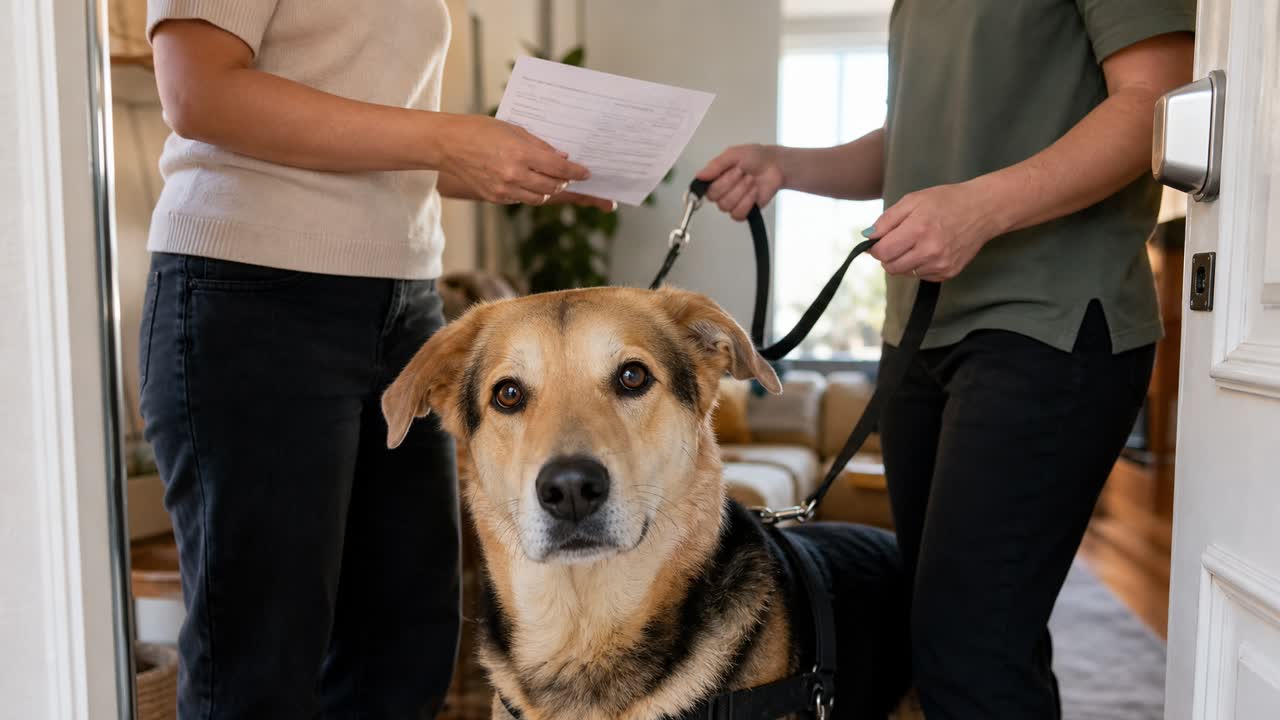
Having a reliable backup handler plan for a service dog is an essential part of responsible service dog ownership. This plan ensures your service dog’s needs are met and that your assistance continues uninterrupted in case you are temporarily unable to manage your dog. Whether due to illness, emergency, or other unforeseen circumstances, having a designated backup handler helps maintain the dog’s well-being and functionality.
While service dogs are trained to assist their handlers, they still require consistent care, handling, and management. A backup handler plan provides peace of mind by preparing for situations where you might need support, reducing stress for both you and your dog.
This article outlines practical steps to create an effective backup handler plan for a service dog, focusing on compliance, documentation, and communication strategies.
Quick Overview
- Identify trusted individuals familiar with your service dog’s tasks and needs.
- Document your dog’s training, medical history, and daily routine for the backup handler.
- Establish clear communication protocols for emergencies or planned absences.
- Train the backup handler on handling techniques and public access behavior.
- Maintain records of your service dog’s tasks and any accommodations needed.
- Discuss your backup plan with relevant parties, such as landlords or employers, when appropriate.
- Review and update the plan routinely to reflect changes in your or your dog’s condition.
1) Understanding the Importance of a Backup Handler Plan for a Service Dog
A backup handler plan for a service dog is not only a practical precaution but also a compliance best practice. Service dogs perform critical tasks that support their handlers’ independence and safety. If you become temporarily unable to care for or manage your dog, the absence of a backup plan can disrupt this support system.
Having a designated backup handler ensures your dog continues to receive proper care and can perform its tasks effectively. This plan supports continuity in public access situations and housing accommodations, where your service dog’s presence is integral to your rights and accommodations.
2) Selecting the Right Backup Handler
Choose someone who understands your service dog’s training and specific tasks. Ideally, this person should have experience with service animals or be willing to learn and follow your dog’s routine.
Consider family members, close friends, or caregivers who can step in reliably. It’s important they respect the legal and behavioral standards associated with service dogs, including public access etiquette, handling protocols, and the expectations covered in a basic service screening.
Providing this person with your service dog’s health records, training logs, and any relevant documentation will help them manage your dog confidently and responsibly.
3) Preparing Documentation and Records for the Backup Handler
While a service dog certificate or ID is not legally required, having organized documentation can be helpful for your backup handler and in situations requiring verification. This includes:
- A list of the dog’s trained tasks and behaviors
- Medical and vaccination records
- Daily care instructions, including feeding, exercise, and grooming
- Contact information for your veterinarian and trainer
- Copies of any doctor’s letters or program evaluations that explain the dog’s role
These records support smooth transitions and help reduce confusion or delays in public or housing access.
4) Training and Communication with Your Backup Handler
Effective communication is key to a successful backup handler plan. Schedule time to train the backup handler on your dog’s specific tasks and behaviors. This may include:
- Demonstrating task cues and responses
- Reviewing public access behavior and legal considerations
- Discussing how to handle emergencies or unexpected situations
Regular check-ins and updates help keep the backup handler informed about any changes in your dog’s routine or health.
5) Incorporating Your Backup Plan into Housing and Workplace Conversations
When discussing accommodations with landlords or employers, it can be helpful to mention your backup handler plan as part of your overall service dog management strategy. This shows proactive responsibility and may ease concerns about continuity of care or access.
Ensure any discussions focus on your rights under the ADA and HUD guidelines, emphasizing that the plan supports your ability to maintain your service dog’s role effectively.
For more on housing documentation and rights, see Knowledge Center.
6) Handling Travel and Emergencies with a Backup Handler
Travel and emergencies can complicate service dog management. Having a backup handler familiar with your dog’s needs can reduce travel-related friction and ensure your dog’s safety during unexpected events.
Prepare a travel kit with essentials and share it with your backup handler. Discuss pet travel safety and emergency contact information in advance. For practical travel guidance, refer to the CDC’s pet travel safety resources alongside your own route-specific planning.
7) Reviewing and Updating Your Backup Handler Plan
Service dog needs and handler circumstances can change over time. Regularly review your backup handler plan to ensure it remains effective and up to date. This includes:
- Updating medical and training records
- Reassessing the backup handler’s availability and readiness
- Adjusting communication protocols as needed
Keeping your plan current helps avoid surprises and maintains compliance with service dog standards.
FAQs
What is a backup handler plan for a service dog?
It is a prepared arrangement designating someone to care for and manage your service dog if you are temporarily unable to do so.
Is a backup handler legally required for service dogs?
No, but having one is a practical step to ensure your service dog’s needs are met, and your assistance continues without interruption.
Can a backup handler take my service dog into public places?
Yes, if they are properly trained and understand the dog’s tasks and public access rights under the ADA.
What documentation should I provide to my backup handler?
Provide training logs, medical records, task lists, and any relevant letters from healthcare providers.
How often should I update my backup handler plan?
Review and update the plan no less than once a year, or whenever there are significant changes in your or your dog’s situation.
Can a backup handler help during travel?
Yes, having a backup handler familiar with your dog’s needs can ease travel-related challenges and emergencies.
Should I inform my landlord or employer about my backup handler plan?
It can be helpful to mention it as part of your overall service dog management strategy, emphasizing your commitment to responsible care and compliance.
Sources
Takeaway
Creating a backup handler plan for a service dog is a responsible step that supports your dog’s well-being and your ongoing independence.
- Choose a trusted, trained individual to assist with your service dog when needed.
- Communicate clearly with your backup handler and keep thorough documentation.
- Review your plan routinely to ensure it remains effective and compliant.