
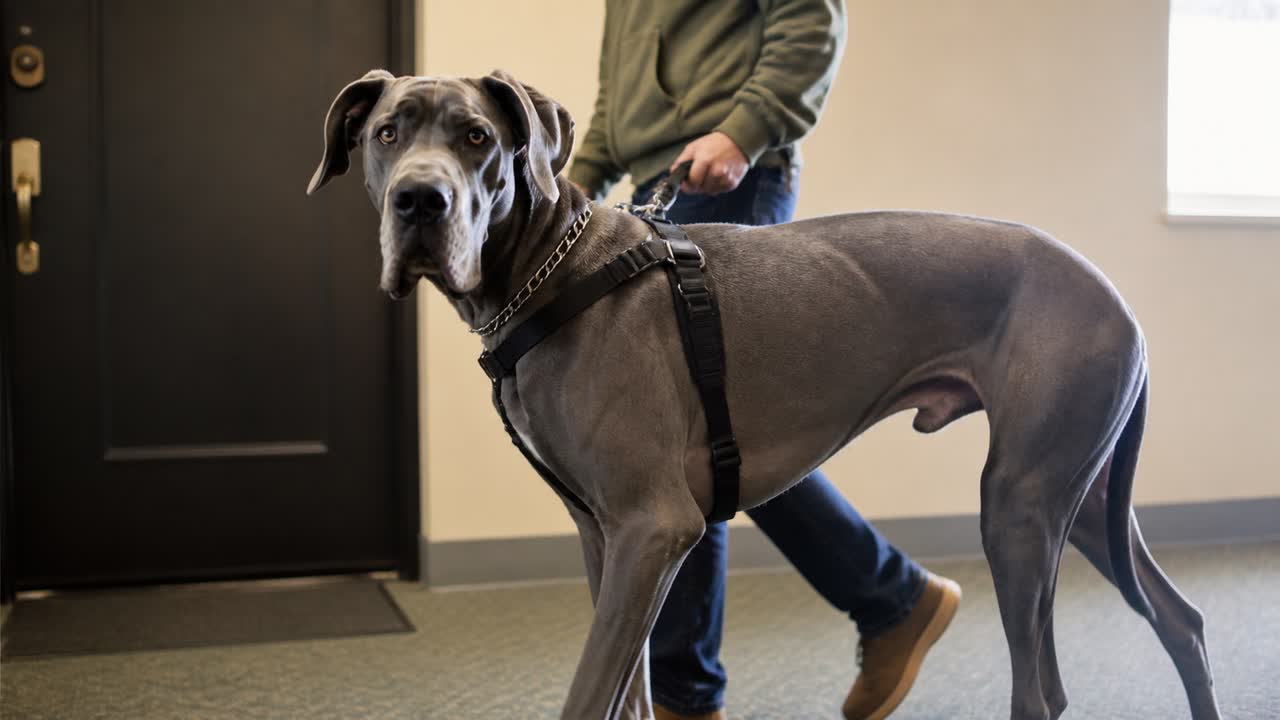
A service dog vaccination record checklist helps you keep the health documents that are most likely to matter in real life: routine vet visits, required local vaccines, optional but commonly requested boosters, and proof that your dog is healthy enough to work in public. This isn’t the same as proving public-access rights under the ADA, but it can reduce friction with housing staff, trainers, groomers, boarding facilities, and some travel providers.
For most handlers, the goal is simple: keep one current set of records that is easy to pull up without overstating what the law requires. Your dog’s task training and behavior matter most for public access, while vaccination paperwork is mainly about health, safety, and practical communication.
This article focuses on recordkeeping, not registration or certificates. If you are building a broader file for your dog, the Knowledge Center can help you separate vaccination records from housing, travel, and accommodation documents so everything stays organized.
Quick Overview
- Keep core vaccine records, rabies certificate details, and your veterinarian’s contact information in one place.
- Vaccination records do not replace ADA compliance, but they can help with housing, travel planning, and routine service appointments.
- Rabies documentation is often the first record people ask for because local law may require it.
- Save both digital and paper copies in case your phone battery dies, or a facility wants a printed form.
- Update your checklist after every vet visit, booster, titer discussion, or address change.
- If you rent, organized records may help practical conversations alongside your broader housing guidance.
1) What Belongs on a Service Dog Vaccination Record Checklist
A useful checklist starts with identification details that match your veterinary file: your dog’s name, breed or mix, color, approximate date of birth, microchip number if available, and your current contact information. Then add your primary veterinary clinic’s name, phone number, and address.
Next, list vaccine details by date. Many handlers include rabies, distemper, parvovirus, adenovirus, and parainfluenza if given as part of a combo vaccine. Depending on your dog’s lifestyle and your veterinarian’s advice, you may also track Bordetella, leptospirosis, influenza, or Lyme. The point is not to guess which shots sound official. The point is to keep an accurate record of what your own dog has actually received.
If you use a digital folder or a record app, keep the checklist simple enough that you will actually maintain it. A short, current file is more useful than a long packet full of outdated pages.
2) Which Records Matter Most in Daily Life
Rabies documentation is often the most important item because many cities, counties, landlords, groomers, and boarding programs ask about it first. Keep the vaccine date, expiration date, tag number if issued, and the veterinarian or clinic that administered it.
After rabies, the next most useful records are your latest vaccination summary, a recent wellness exam note if available, and any medication list that affects your dog’s work routine. These are not always legally required, but they can help when someone needs reassurance that your dog is healthy and appropriately managed.
This is also where handlers sometimes blur together different document types. Vaccination records are health records. They are not the same as disability-related paperwork, and they are not the same as an ESA screening process, which applies to a different accommodation lane.
3) How to Store Records without Turning Them into “Proof” of Status
Store records in two formats: a phone-accessible digital copy and a paper backup in a folder or travel pouch. Label the file clearly so you can find it quickly during a move, a vet emergency, or a housing conversation.
It also helps to keep a one-page summary sheet at the front. Include your dog’s identifying information, current vet, current rabies expiration date, and the date of the most recent wellness exam. That lets you share practical health information without handing over a messy stack of unrelated paperwork.
For U.S. public-access situations, remember the legal distinction: businesses covered by the ADA are generally limited in what they can ask about a service animal. A vaccination record may still be useful in some settings, but it is not what creates your dog’s status. Calm behavior, task training, and handler control remain the foundation.
4) When You may Need the Checklist for Housing, Travel, or Care Services
Housing providers may care more about behavior, sanitation, and local animal rules than about a polished packet. Still, a current vaccination record can make a conversation smoother, especially in buildings that want reassurance about routine animal management. It supports a practical discussion without implying that extra paperwork is what grants access.
Travel is similar. Airlines, hotels, ride services, and destination rules do not all ask for the same things, and some requests go beyond what federal disability law requires for public access. A checklist helps you sort out what is truly required, what is optional, and what is simply useful to carry before you leave home.
Boarding, grooming, day care, and training facilities are even more likely to ask for vaccine history because those environments involve other animals. In those cases, health documentation is routine safety, not a statement about whether your dog is a legitimate service animal.
5) How Often to Review and Update the File
Review your checklist after every veterinary appointment, booster, titer decision, medication change, or move. Also review it before travel, a new lease, a school meeting, or a workplace accommodation conversation if your dog will be part of that discussion.
A good rule is to check four things each time: are the dates current, are the pages readable, does the contact information match, and do you still have both digital and printed copies? If the answer is yes, your file is probably in good shape.
Some handlers also keep training logs, task notes, and behavior records in the same folder. That can help with organization and peace of mind, as long as you keep those categories separate. Keep health records clear and factual, not padded with unnecessary documents.
FAQs
Do I legally need a service dog vaccination record checklist for ADA public access?
Not as a general ADA requirement. Public access depends on the ADA definition and your dog’s behavior and task training. A vaccination checklist is mainly a health and organization tool.
Which vaccine is most likely to be requested first?
Rabies is often requested first because local animal-control rules may require it, and many facilities treat it as the basic starting point for health records.
Should I carry the full vet record or just a summary?
A one-page summary plus access to the full record usually works best. It is easier to share relevant information without exposing unrelated details or fumbling through old paperwork.
Can a landlord ask for vaccination records?
Some landlords may ask practical animal-management questions or request routine animal records. That doesn’t change disability accommodation rules, but current paperwork can make the conversation easier.
Is a vaccine checklist the same as registration or certification?
No. Vaccination records show healthcare history. They don’t function as a universal registration system, and they don’t replace training, control, or disability-related accommodation processes.
What if my dog has a medical reason to delay a vaccine?
Ask your veterinarian for written guidance that explains the timing or medical judgment. Keeping that note with your checklist can help if a facility has questions.
Sources
- ADA.gov: Service Animals
- ADA.gov: Service Animals FAQ
- CDC: Dogs
- CDC: Pet Travel Safety
- HUD: Information for Persons with Disabilities
Takeaway
A well-kept vaccination file will not define your service dog’s legal status, but it can make everyday logistics much easier. Think of it as a practical health checklist that supports smoother conversations, safer travel planning, and better recordkeeping.
- Keep rabies details, vaccine dates, vet contacts, and a recent summary page in one place.
- Use vaccination records for health and organization, not as a substitute for ADA training and behavior standards.
- Maintain both digital and paper copies so you can respond quickly when questions come up.