
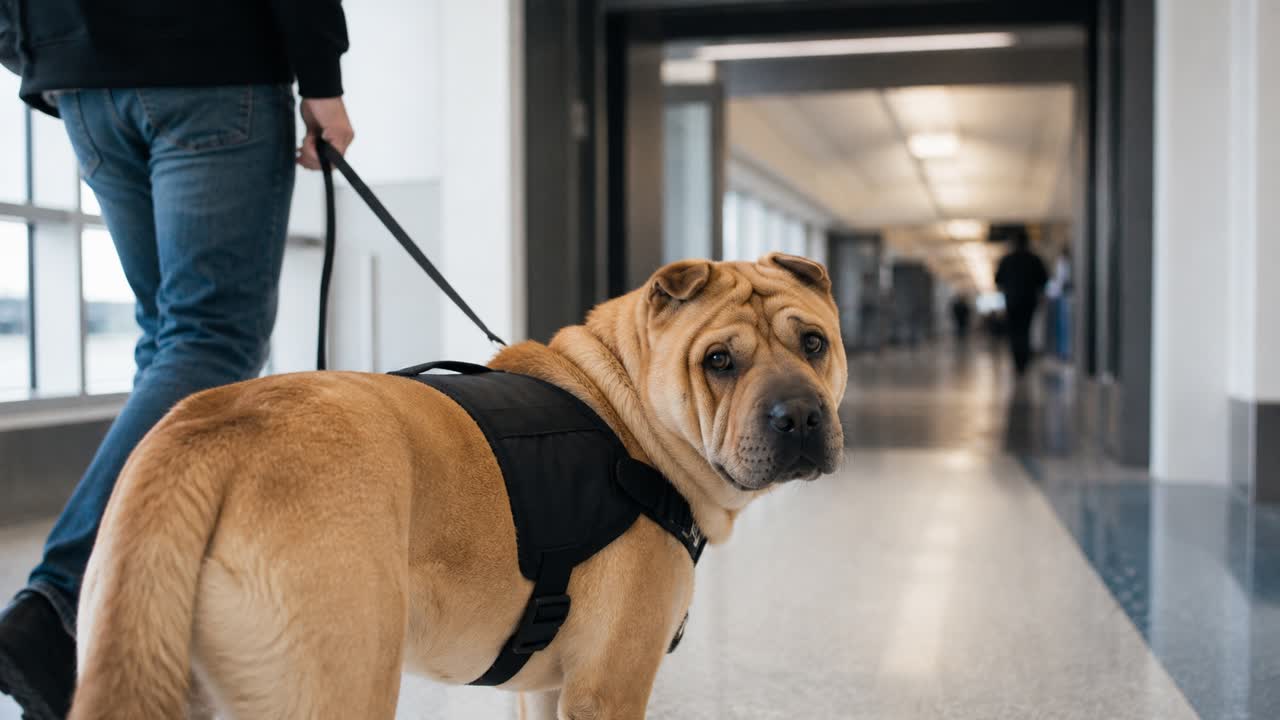
If you are dealing with service dog laundry room access questions in apartments, the short answer is usually yes: if the laundry room is a common area that tenants are allowed to use, a service dog generally should be allowed to accompany its handler there.
That distinction matters. A laundry room inside an apartment complex is usually tied to housing rights, not just general business access rules. The most practical question is whether the dog is under control, housebroken, and accompanying a resident with a disability who uses the space as part of normal apartment living.
This article focuses on apartment common areas, not retail stores or airports. If your building pushes back, approach the issue with calm facts, clear records, and a short explanation rather than turning it into a paperwork debate.
Quick Overview
- A tenant who uses a service dog can usually bring the dog into an apartment laundry room that residents are permitted to use.
- In housing, access issues often fall under fair housing principles and shared-area access, not just the ADA rules used in stores and restaurants.
- The dog still needs to be under control and housebroken.
- A landlord generally should not create a separate “no dogs in laundry room” rule that blocks disability-related access.
1) Why Apartment Laundry Room Access is Usually Allowed
When a laundry room is part of the amenities or common areas available to residents, a disabled tenant generally must have equal access to that space. If the tenant uses a service dog to mitigate disability-related limitations, blocking the dog from the laundry room can interfere with ordinary use of the property.
That is why this issue is different from a simple pet-policy dispute. Service animals are not handled the same way as pets, and in housing, other assistance animals may also be relevant depending on the resident’s situation. For a basic distinction between categories, the supplied ESA check can help frame the conversation without turning it into a shopping exercise.
2) What Landlords can Focus on Instead of Blanket Denial
A landlord or property manager can focus on behavior and safety, not assumptions. If the dog lunges, barks excessively, blocks machines, or creates sanitation problems, the building can address that conduct. But a blanket rule that the dog can never enter the laundry room usually misses the real legal question.
In practice, reasonable management concerns are narrower. Staff can ask that the dog remain leashed or otherwise controlled when appropriate, stay close to the handler, and not interfere with other residents. Those expectations are easier to defend than an across-the-board ban.
This is where routine organization helps. A simple file with vaccination records, training progress, and care notes can help with apartment-related conversations. Some handlers keep those details in a tracking app so they can quickly answer practical questions without treating the issue like a certificate contest.
3) Service Dog Laundry Room Access Apartment: Disputes Often Come from Mixed-up Rules
Many disputes happen because staff blends pet rules, ADA talking points, and fair housing requirements. In an apartment complex, the leasing office may know the pet addendum well but may not understand how disability-related access works in shared resident areas.
It can help to say something simple: this is not a request to bring a pet into a restricted space, but to use a disability-related animal while accessing a resident amenity. That keeps the discussion tied to equal use of the property instead of general dog preferences.
If your issue is part of a broader apartment-living problem, related living advice may help you think through neighbor concerns, daily routines, and how to reduce conflict before it escalates.
4) What to Say to a Property Manager
Keep the conversation short and practical. You usually do not need a long speech. A calm script can sound like this: “This is my service dog, and I need the dog with me while using shared areas of the apartment, including the laundry room. The dog stays under control and does not interfere with others.”
If the manager is still unsure, ask them to put their concern in writing. Written objections often reveal whether the real issue is safety, sanitation, a misunderstood pet policy, or inconsistent staff training. Once the concern is specific, it is easier to answer.
If your disability or housing file already includes relevant accommodation documentation, keep it consistent with what you are saying now. The goal is not to overwhelm staff with paperwork. It is to show that this is a genuine housing-access issue being handled responsibly.
5) When Access can Still be Limited
Access is not unlimited. A service dog can still be excluded from a specific situation if the dog is out of control and the handler does not take effective action, or if the dog is not housebroken. A building may also enforce neutral safety rules that do not single out disability-related animals.
For example, staff may have a legitimate concern if a dog repeatedly blocks a narrow laundry aisle, jumps on folding tables, or creates a direct hygiene problem around machines used by many residents. The answer, though, is usually to address the conduct and find a workable solution, not to automatically deny all future access.
That is another reason this topic should stay grounded in real behavior, not registry claims or gear. Optional identifiers may feel organized, but what usually resolves a housing dispute is calm conduct, clean records, and a dog that behaves appropriately in a shared indoor space.
6) How to Reduce Friction before a Conflict Starts
The smoothest path is often preventive. Visit the laundry room during a quieter time first, keep the dog tucked close to you, and avoid blocking entrances or carts. If the room is cramped, plan where the dog can settle while you load and transfer laundry.
It also helps to anticipate common worries. If neighbors may complain about fur, noise, or proximity to folding counters, have a simple response ready and keep the dog’s grooming and public behavior strong. Clean, low-drama routines do a lot of work in apartment settings.
When you document the issue early and handle it respectfully, laundry room access usually becomes just another part of normal tenancy rather than an ongoing confrontation.
For related guidance, see our living advice, ESA check, housing rules, and tracking app.
FAQs
Can an apartment ban a service dog from the laundry room?
Usually not if the laundry room is a resident common area and the dog is needed for disability-related access. Behavior and sanitation issues can still be addressed on a case-by-case basis.
Is service dog laundry room access apartment law the same as restaurant access law?
Not exactly. A restaurant question is usually framed as public accommodation access. An apartment laundry room is commonly tied to housing access and equal use of shared resident facilities.
Can a landlord ask for a certificate or ID card for laundry room access?
Not typically as a universal requirement. Practical records can help with organization, but access disputes are usually better resolved through behavior, housing context, and disability-related need rather than purchased credentials.
What if other tenants complain about dogs near washers and dryers?
The building can address specific conduct concerns, but it should not rely on generalized fear or a pet-policy shortcut. A controlled, housebroken dog that stays with its handler is a very different issue from a nuisance animal.
Should I bring documentation to the leasing office?
Bring only what is relevant to the housing conversation. Clear accommodation records, vaccination information, and training notes are often more useful than trying to prove legitimacy with labels or accessories.
Sources
- ADA.gov: Service Animals
- ADA.gov: Service Animals FAQ
- CDC: Dogs
- CDC: Pet Travel Safety
- HUD: Information for Persons with Disabilities
Takeaway
In most apartment settings, a service dog should be able to accompany its handler into a shared laundry room when that space is part of normal residential use. The strongest approach is practical: know the housing context, keep the dog well controlled, and address concerns with calm documentation rather than hype.
- Apartment laundry room access is usually a housing-access question, not just a pet-policy question.
- Behavior, control, and cleanliness matter more than labels, vests, or purchased credentials.
- A short explanation and organized records often resolve problems faster than an argument.