
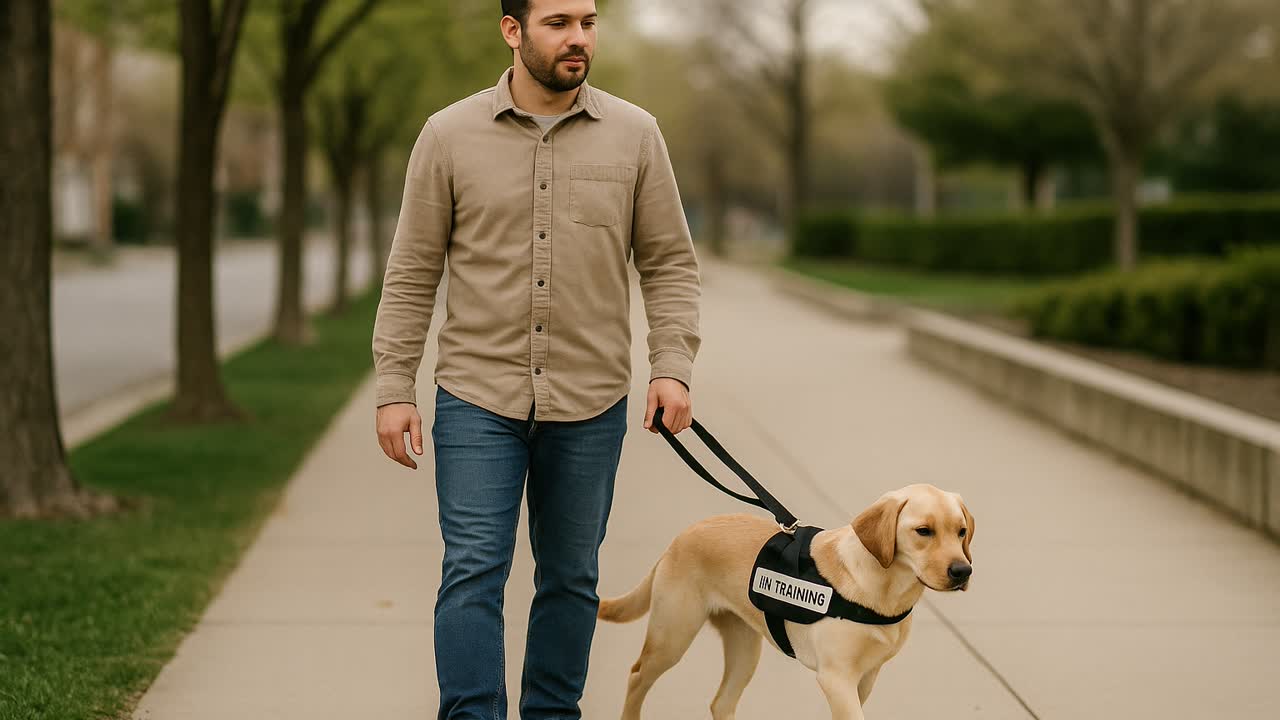
Telemedicine for emotional support animals is an increasingly common approach for individuals seeking the necessary documentation and guidance. This method allows patients to consult licensed mental health professionals remotely, facilitating evaluations and discussions about emotional support animal needs without in-person visits.
While telemedicine can streamline the process, it is important to understand the legal context, documentation requirements, and best practices to establish compliance and reduce potential challenges in housing, travel, and public access situations.
This article provides a practical guide to telemedicine for emotional support animals, focusing on responsible documentation, communication with clinicians, and navigating relevant regulations.
Quick Overview
- Telemedicine enables remote consultations with licensed mental health professionals for emotional support animal evaluations.
- Documentation from telemedicine visits can include letters recommending an emotional support animal when clinically appropriate.
- Legal protections for emotional support animals primarily apply in housing under the Fair Housing Act, with limited travel accommodations.
- Telemedicine does not replace the need for thorough clinical evaluation and responsible documentation.
- Effective communication with landlords, airlines, and others often requires clear, up-to-date records from qualified providers.
- Telemedicine visits should comply with state and federal telehealth regulations to ensure legitimacy and privacy.
- Understanding the discrepancy between emotional support animals and service animals is essential for compliance and rights.
- Additional resources can help clarify regulations and practical advice for living and traveling with emotional support animals.
1) Understanding Telemedicine for Emotional Support Animals
Telemedicine for emotional support animals refers to the use of digital communication tools—such as video calls, phone consultations, or secure messaging—to connect patients with licensed mental health professionals. These professionals assess the patient’s mental health necessities and find out whether an emotional support animal (ESA) may provide therapeutic benefits.
This remote approach can increase access to qualified clinicians, especially for individuals in rural areas or with mobility challenges. However, the evaluation process should be as thorough as an in-person visit, including a clinical interview and review of the patient’s history.
2) Legal Context and Documentation Considerations
Emotional support animals are predominantly protected under the Fair Housing Act (FHA), which requires housing providers to make reasonable accommodations for individuals with qualifying disabilities. Documentation from a licensed mental health provider, including letters obtained via telemedicine, can support accommodation requests.
Unlike service animals, ESAs do not have guaranteed access to open community areas under the Americans with Disabilities Act (ADA), and recent changes have limited airline accommodations. Therefore, documentation should be used responsibly and only when clinically justified.
Letters should include the clinician’s license information, a clear statement of the patient’s disability, and the need for the ESA as part of the treatment plan. Telemedicine evaluations must comply with applicable telehealth laws to ensure the documentation is valid and credible.
3) Preparing for Your Telemedicine Consultation
Before scheduling a telemedicine appointment, gather relevant medical and mental health records to provide the clinician with a comprehensive view of your condition. Prepare to discuss your symptoms, treatment history, and how an emotional support animal may assist your well-being.
Ensure your telemedicine provider is licensed in your state and follows HIPAA privacy standards. Understanding the provider’s process for issuing ESA documentation can help set realistic expectations.
4) Using Telemedicine Documentation Responsibly
Documentation obtained through telemedicine can be helpful for housing accommodation requests and may reduce friction when communicating with landlords. However, it is not always legally required to present a certificate or letter unless requested.
Maintaining additional records, such as training logs or a list of tasks your animal performs, can complement your documentation and demonstrate responsible care. When discussing your ESA with landlords or housing authorities, focus on your clinical needs and the role of the animal in your treatment.
5) Navigating Travel with an Emotional Support Animal
Travel regulations for emotional support animals have evolved, with many airlines no longer recognizing ESAs as service animals. When planning travel, consult current airline policies and consider obtaining documentation from your telemedicine provider that clearly states your ESA’s role.
Reviewing travel advice can help you prepare for potential questions and reduce disruptions. Carrying documentation that outlines your animal’s health and behavior may also be beneficial.
6) Communicating withLandlords and Employers
When requesting accommodations in housing, provide your telemedicine documentation along with a clear explanation of your disability-related need for an emotional support animal. Landlords may ask for verification, but are limited to specific questions about disability and necessity.
Employers are not generally required to accommodate emotional support animals under the ADA, but discussing your needs with human resources or occupational health professionals can clarify available options.
For more guidance on housing, see living advice.
7) Distinguishing ESAs from Service Animals
Acknowledging the difference between emotional support animals and service animals is crucial for compliance. Service animals are trained on a one-by-one basis to perform certain tasks related to a disability and have broader access rights under the ADA.
Emotional support animals provide comfort but do not require specialized training. For a detailed comparison, review the ESA vs PSA resource.
FAQs
-
What is telemedicine for emotional support animals?
-
It is the use of remote healthcare technology to consult with certified mental health professionals who evaluate and, when appropriate, recommend emotional support animals.
-
Is a telemedicine ESA letter legally valid?
-
Letters from licensed clinicians obtained via telemedicine can be valid for housing accommodations if they meet legal requirements and are based on a proper clinical evaluation.
-
Do I need a certificate to have an emotional support animal?
-
Certificates or IDs are not legally required. Documentation from a qualified clinician, including letters from telemedicine visits, is typically sufficient for housing accommodations.
-
Can telemedicine replace in-person mental health evaluations?
-
Telemedicine can provide effective evaluations, but the quality depends on the clinician’s thoroughness and compliance with telehealth regulations.
-
How do I prepare for a telemedicine appointment for an ESA?
-
Gather your mental health history, be ready to discuss your symptoms and treatment, and verify that the provider is licensed and compliant with privacy laws.
-
Are emotional support animals allowed on airplanes?
-
Airline policies have changed, and many no longer recognize ESAs as service animals. Check current airline rules and consider carrying documentation from your telemedicine provider.
-
What questions can landlords ask about my emotional support animal?
-
Landlords may ask for documentation of your disability and the need for the ESA but cannot inquire about the severity or nature of your disability.
-
Can I use telemedicine documentation for workplace accommodations?
-
Workplace accommodations for ESAs are not generally required under the ADA, but telemedicine documentation can support discussions with employers about your needs.
-
How do I ensure my telemedicine ESA documentation is legitimate?
-
Confirm the clinician’s credentials, ensure the evaluation is thorough, and that the documentation includes necessary information such as license details and clinical justification.
-
Where can I find more information about ESA regulations?
-
Authoritative sources like the Department of Housing and Urban Development and the ADA website provide comprehensive information on ESA rights and regulations.
Sources
Takeaway
Telemedicine for emotional support animals offers a practical way to obtain clinical evaluations and documentation while maintaining compliance with legal standards. Responsible use of telemedicine can reduce friction in housing and travel situations when supported by thorough records and clear communication.
- Ensure telemedicine providers are licensed and follow telehealth laws.
- Use documentation responsibly and maintain additional records when possible.
- Understand your rights under housing and travel regulations to navigate requests smoothly.
For further guidance, explore the Knowledge Center and review relevant regulations.