
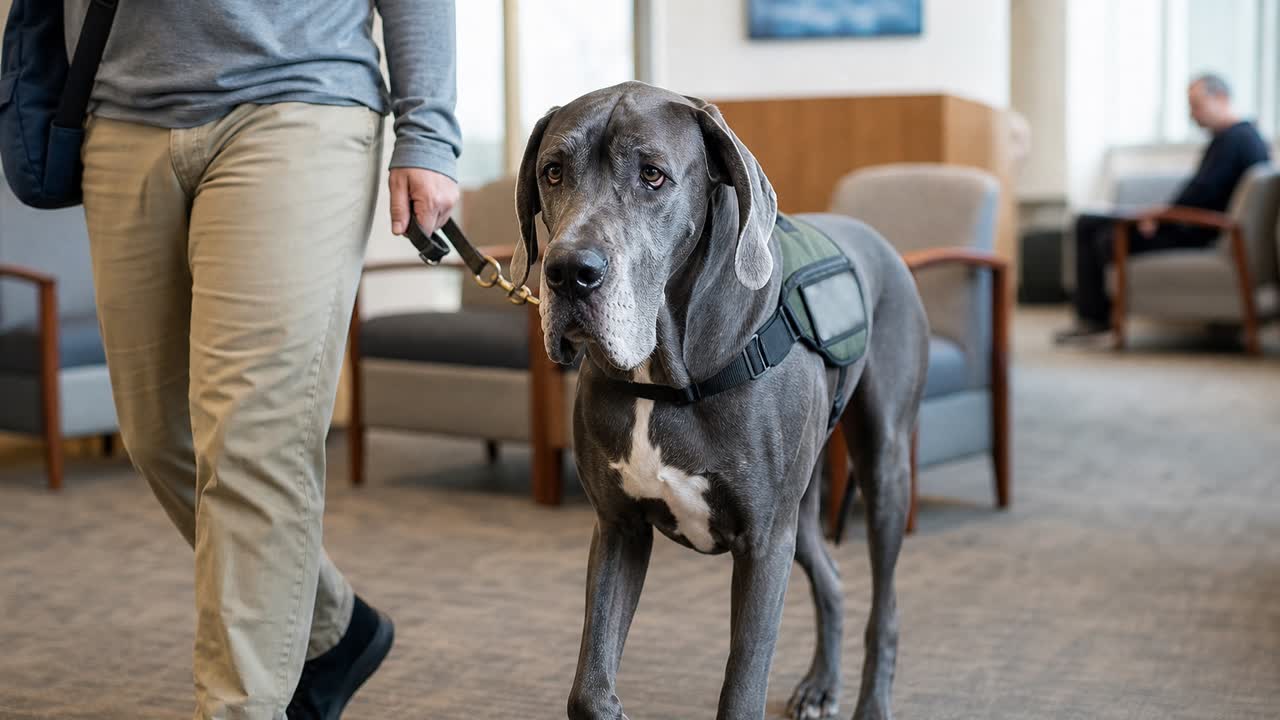
Summer heat safety for service dogs is a critical concern for handlers and owners who rely on these animals for daily assistance. High temperatures can represent serious health risks to service dogs, including heat exhaustion and heatstroke, which can impair their ability to perform essential tasks. Understanding how to protect service dogs during hot weather helps maintain their well-being and ensures they remain effective partners.
Many service dogs work in a variety of environments, often accompanying their handlers outdoors. Being prepared for summer heat involves recognizing signs of overheating, managing exposure time, and providing adequate hydration and rest. This article offers practical guidance on summer heat safety for service dogs, helping handlers navigate warm conditions responsibly.
By following these tips, handlers can reduce the risk of heat-related illness and support their service dogs’ health and comfort throughout the warmer months.
Quick Overview
- Service dogs are vulnerable to heat-related illnesses, such as heat exhaustion and heatstroke.
- Signs of overheating include excessive panting, drooling, weakness, and disorientation.
- Provide access to shade and fresh water frequently during outdoor activities.
- Limit time spent on hot surfaces, such as asphalt or sand, which can burn paws.
- Plan walks and outings during cooler parts of the day, such as early morning or evening.
- Use cooling aids such as damp towels or cooling vests when appropriate.
- Monitor your service dog closely and be ready to seek veterinary care if symptoms worsen.
- Communicate with landlords or employers about your service dog’s needs during hot weather.
1) Recognizing the Risks of Summer Heat for Service Dogs
Service dogs are working animals that may be exposed to heat for extended periods. Unlike humans, dogs regulate heat primarily through panting and limited sweating through their paw pads, making them more susceptible to overheating. Understanding the risks is a fundamental step in protecting your service dog.
Heat exhaustion can develop quickly and progress to heatstroke, which is a medical emergency. Handlers should be aware of early warning signs such as heavy panting, rapid heartbeat, excessive drooling, and lethargy. More severe symptoms include vomiting, collapse, and seizures. Prompt action is essential to prevent serious harm.
2) Hydration and Shade: Essential Summer Heat Safety for Service Dogs
Providing water is one of the simplest yet most effective ways to protect your service dog from heat stress.
Shade is equally important. Avoid prolonged exposure to direct sunlight by seeking shaded areas or creating shade with umbrellas or canopies. This helps lower your dog’s body temperature and reduces the risk of overheating.
3) Timing and Environment Considerations
Plan walks and outings during cooler parts of the day, such as early morning or late evening. Midday heat can be dangerous, especially in urban areas with heat-reflective surfaces like concrete and asphalt. These surfaces can get to temperatures high enough to burn your service dog’s paws.
Test the ground temperature by placing the back of your hand on the surface for seven seconds. If it’s too hot for you, it’s too hot for your dog. Consider using protective booties if walking on hot pavement is unavoidable.
4) Cooling Techniques and Aids
Several cooling methods can help keep your service dog comfortable during hot weather. Applying damp, cool towels to areas such as the neck, chest, and paws can help dissipate heat. Cooling vests designed for dogs may also provide relief by reflecting sunlight and promoting evaporation.
Never use ice or extremely cold water directly on your dog, as rapid cooling can cause shock. Instead, aim for gradual temperature reduction and monitor your dog’s response carefully.
5) Communicating Your Service Dog’s Needs During Summer Heat
When interacting with landlords, employers, or public venues, it’s important to clearly and calmly discuss your service dog’s summer heat safety needs. Providing documentation, such as a letter from a qualified clinician outlining your dog’s role and any accommodations needed, can facilitate understanding and cooperation.
For example, requesting access to shaded areas or permission to carry water and cooling supplies may reduce friction during outings or work hours. Being proactive in these conversations supports your service dog’s health and your compliance with applicable laws.
6) Monitoring Your Service Dog’s Health and When to Seek Veterinary Care
Regularly assess your service dog’s condition during warm weather activities. If you observe signs of heat stress, such as excessive panting, weakness, or uncoordinated movements, take immediate steps to cool your dog and provide water.
If symptoms persist or get worse, seek veterinary care promptly. Early intervention can halt serious complications and support your dog’s recovery.
7) Documentation and Responsible Care
Maintaining records of your service dog’s health, training, and any accommodations related to summer heat safety can be helpful. While no specific certificate is legally required for heat safety, having documentation from a qualified clinician or program evaluation can support your discussions with housing providers or employers.
Keeping a training log that includes how your service dog handles heat exposure and any adaptations you’ve made demonstrates responsible care and helps ensure your dog’s ongoing well-being.
FAQs
-
Q: What are the most common signs of heat exhaustion in service dogs?
-
A: Common signs include heavy panting, drooling, weakness, vomiting, and disorientation. Early recognition is key to preventing heatstroke.
-
Q: Can service dogs wear cooling vests during work?
-
A: Yes, cooling vests can be a helpful aid to reduce body temperature, but they should be used alongside other precautions, such as shade and hydration.
-
Q: Are service dogs allowed to carry water bowls or cooling supplies in public places?
-
A: Generally, yes. Handlers can carry necessary items to ensure their service dog’s health, including water and cooling aids, without restriction under ADA guidelines.
-
Q: How can I protect my service dog’s paws from hot pavement?
-
A: Avoid walking during peak heat times, use protective booties if needed, and test ground temperature before exposure.
-
Q: Is a special certificate required to prove my service dog needs summer heat accommodations?
-
A: No special certificate is legally required. However, documentation from a qualified clinician or program evaluation can support accommodation requests.
-
Q: What should I do if my service dog shows signs of heatstroke?
-
A: Move your dog to a cool area immediately, offer water if they can drink, apply cool (not cold) towels, and seek veterinary care without delay.
-
Q: How can I discuss summer heat safety needs with my landlord or employer?
-
A: Provide clear information about your service dog’s role, any necessary accommodations, and offer documentation from a qualified professional if available.
Sources
- ADA.gov: Service Animals
- CDC: Dogs
- American Veterinary Medical Association: Pet First Aid (PDF)
- CDC: Heat and Pets
Takeaway
Summer heat safety for service dogs requires vigilance, preparation, and clear communication to protect these vital partners from heat-related risks.
- Monitor your service dog closely for signs of overheating and provide frequent water and shade.
- Plan activities during cooler times and protect paws from hot surfaces.
- Maintain responsible documentation and communicate accommodations respectfully with landlords or employers.