
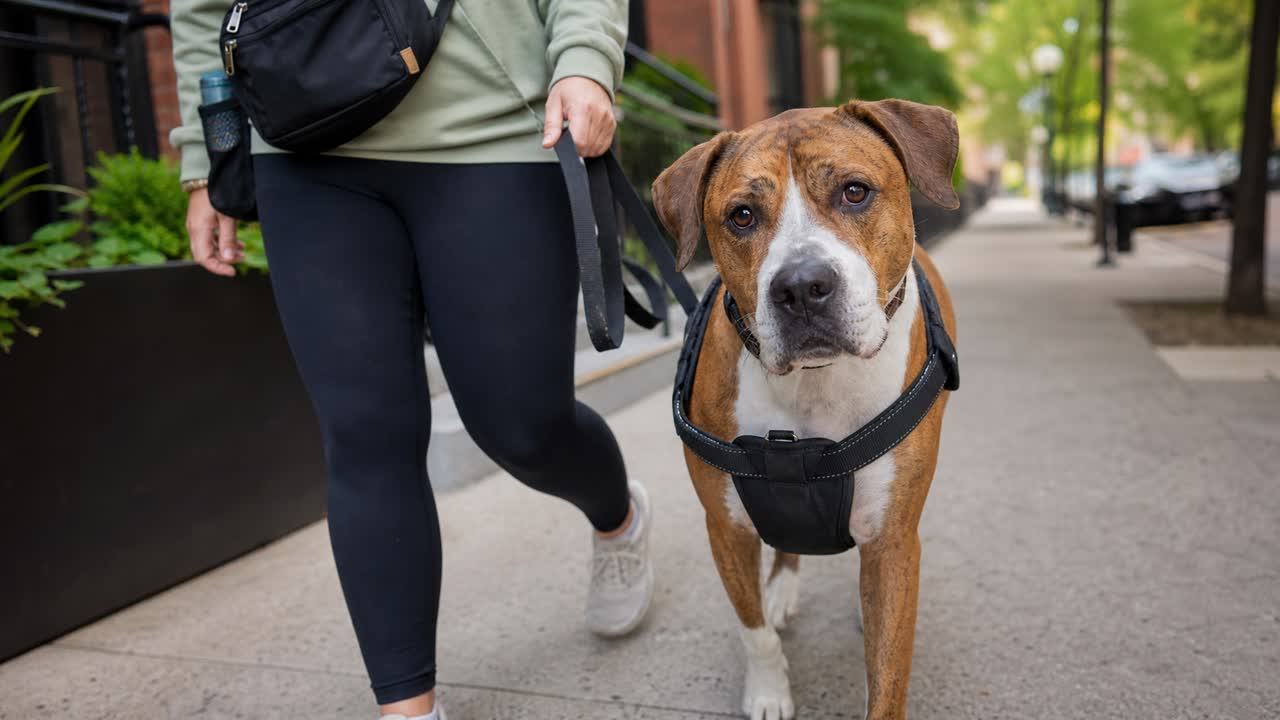
The service dog workplace interactive process is usually an accommodation conversation rather than a public-access dispute. In most U.S. workplaces, the key question is whether allowing the dog at work is a reasonable accommodation that helps an employee perform the job without creating an undue hardship or a direct safety problem.
This is different from restaurant, hotel, or store access rules. A workplace request is handled through employment law, job duties, safety requirements, and an individualized dialogue with HR or a manager. That makes preparation, clear communication, and practical records more important than labels or gear.
For many employees, the goal is simple: explain the work-related need, describe what the dog does, and stay focused on how the accommodation would function in the real workplace. For broader background on service-dog rules, the Knowledge Center can help frame the basics before you talk with your employer.
Quick Overview
- A workplace service dog request is usually handled as a reasonable accommodation under employment rules.
- The interactive process is a back-and-forth discussion about the limitation, the job, and an effective accommodation.
- An employer may request reasonable documentation if the disability or the need for the accommodation is not obvious.
- The employer does not have to accept a specific solution if another effective accommodation is available.
- Training, control, hygiene, and how the dog will function during the workday matter more than optional IDs or certificates.
- Useful preparation includes a task summary, work routine plan, veterinary records, and concise clinician support when relevant.
1) What the Workplace Interactive Process Actually Covers
In plain terms, the interactive process is the employer and employee working together to address an accommodation request. For a service dog, that means talking about the employee’s job duties, the disability-related limitation, what tasks the dog performs, and how the arrangement would work on site.
It helps to define the scope early. This article is about employment accommodations, not housing documentation or general public-access entry. In the workplace, the focus is on whether the dog helps the employee do the job effectively and safely, not on whether the dog can simply accompany the handler anywhere.
2) When the Service Dog Workplace Interactive Process Starts
The process usually starts when an employee asks for an accommodation or clearly signals that one is needed. A formal script is not required. A simple statement such as, “I’m requesting a workplace accommodation to use my service dog at work,” is often enough to begin the discussion.
Starting early is usually better than waiting until a performance problem, a conflict with a supervisor, or a return-to-office deadline. If the dog will be part of a schedule change, desk setup, commute plan, or hybrid work arrangement, bring it up at the same time to keep the request practical.
3) What an Employer may Ask You to Provide
If the disability or the need for the accommodation is not obvious, an employer may usually request reasonable documentation that explains why an accommodation is needed. That does not mean handing over your full medical file. A focused note that connects the condition to the workplace need is generally more useful than a stack of unrelated records.
Good documentation often includes a short clinician letter, a description of the dog’s trained tasks, and a realistic explanation of how the dog supports work performance or safety. Some handlers also keep training notes, vaccination records, and a daily routine summary in our app so they can share organized information without over-disclosing.
Optional items like a vest or certificate may give some people peace of mind, but they are usually not the heart of the analysis. In a workplace setting, concise, relevant documentation and a clear accommodation plan usually carry more weight.
4) How to Prepare for a Productive Conversation with HR or a Manager
Bring the conversation back to function. Explain what the dog is trained to do, when those tasks are needed during the workday, where the dog would stay, how breaks and relief would be handled, and whether any part of the workspace needs to change.
It can also help to show that you have thought through behavior and control. A calm, unobtrusive dog reduces friction. Some employees choose to complete a voluntary behavior check or a similar readiness review before asking to bring a dog on-site, especially in close quarters or customer-facing roles.
If your job involves shared spaces, client meetings, food handling, secure areas, or equipment hazards, address these issues before your employer raises them. That shows you are not asking for blanket permission without considering workplace realities.
5) Common Employer Concerns and How to Answer Them
Employers often worry about allergies, fear of dogs, sanitation, distractions, coworker reactions, and emergency procedures. Those concerns are not automatically grounds for denying the request, but they do require a practical response.
Be ready to discuss where the dog will rest, how you will maintain control, what will happen during meetings, and whether schedule or seating adjustments could resolve conflicts. In some workplaces, a trial period or limited rollout makes sense. A voluntary PSA screening may also help some handlers organize readiness materials, but it should be treated as optional support rather than a legal requirement.
The employer may also consider alternatives. If another accommodation would be effective, the law does not always require the employer to choose the employee’s preferred option. That is why it helps to explain, concretely, why the dog is effective for your actual job duties.
6) What to Do If the Request Stalls or is Denied
If the process drags on, ask for the next step in writing and keep your tone calm. A short follow-up email summarizing the request, the date of the conversation, and any documents already provided can reduce confusion. Keep copies of accommodation notes, training summaries, and communications in one place.
If the employer identifies a specific concern, respond to that concern directly rather than restarting the whole argument. For example, if the issue is open-office distraction, propose a seating adjustment. If the issue is safety near machinery, discuss restricted zones or another effective accommodation.
A denial does not always mean the conversation is over. Sometimes the employer needs narrower documentation, a different setup, or more information about how the dog’s tasks connect to essential job functions.
FAQs
Does my employer have to allow my service dog at work?
Not automatically in every situation. The employer generally must consider the request through the accommodation process and decide whether allowing the dog is effective and reasonable in that workplace.
Can HR ask for medical documentation?
Usually yes, if the disability or need for the accommodation is not obvious. The request should be limited to documentation that helps explain the disability-related need for the accommodation.
Do I need a certificate or registry to request workplace accommodation?
Usually not. In most cases, the stronger approach is practical documentation: a focused clinician note when relevant, a task summary, and records showing the dog can work calmly in the environment.
What if my dog is trained but still new to office settings?
That is worth addressing honestly. A gradual return, a short trial period, or an optional readiness review may reduce friction and demonstrate good faith.
Can my employer offer a different accommodation instead?
Sometimes yes. If another accommodation is effective, the employer may not have to choose the exact option the employee prefers.
What should I keep in my records during the workplace interactive process for a service dog?
Keep your request emails, clinician documentation if used, task description, vaccination and health records, training notes, and any written responses from the employer.
Sources
- ADA.gov: Service Animals
- ADA.gov: Service Animals FAQ
- CDC: Dogs
- CDC: Pet Travel Safety
- HUD: Information for Persons with Disabilities
Takeaway
A strong workplace request is usually built on clarity, relevance, and preparation. The best path is to treat the dog as part of a practical accommodation plan, not as a shortcut around the normal interactive process.
- Ask early and keep the request tied to essential job functions.
- Use focused documentation and organized records instead of relying on optional labels or certificates.
- Address behavior, safety, and workplace logistics before they turn into avoidable objections.