
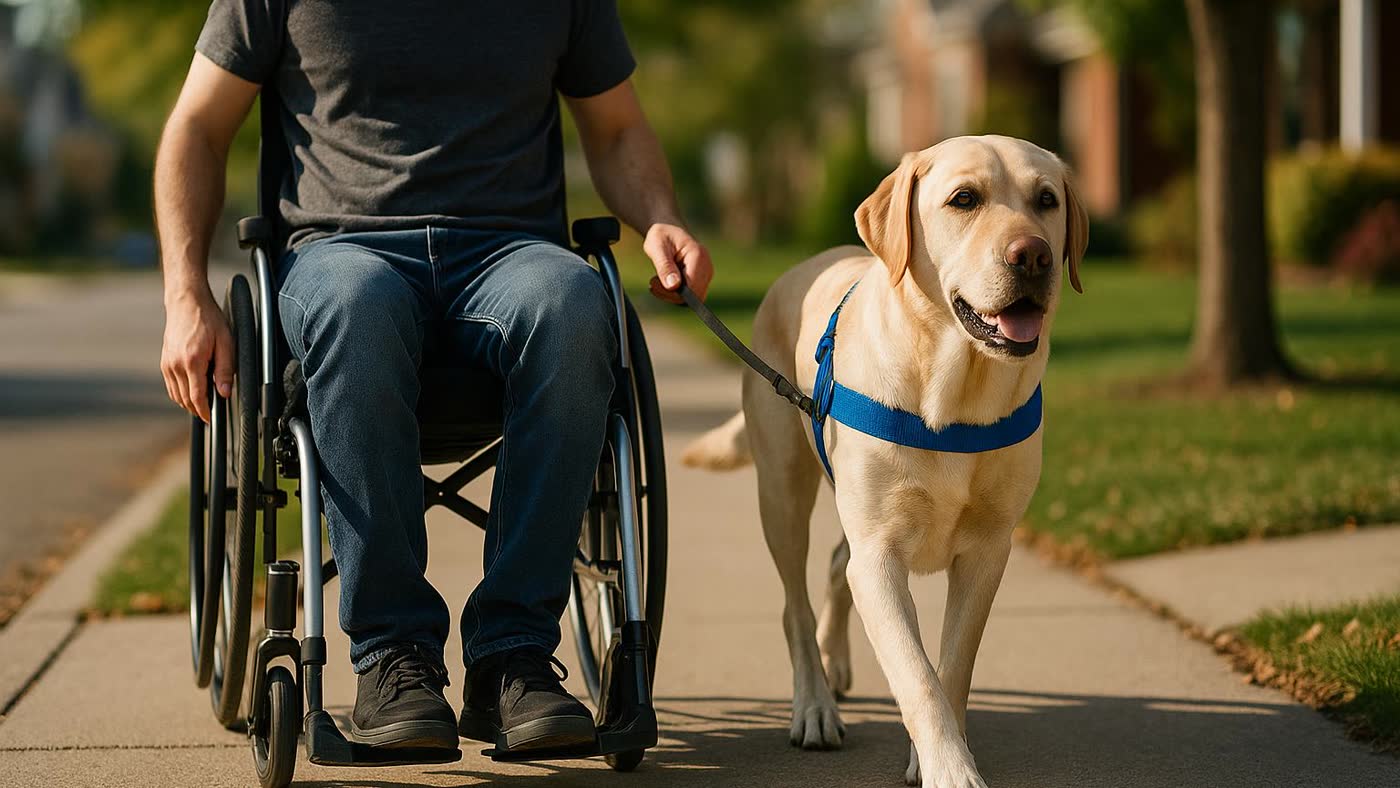
Service dog succession planning for handlers is an important way to ensure continuous support and independence. Handlers who rely on service dogs should consider how to prepare for the eventual transition when their current service dog retires or can no longer perform tasks. Thoughtful planning can reduce stress and maintain access to necessary assistance.
Succession planning involves identifying potential successors, documenting training and health information, and coordinating with healthcare professionals. This proactive approach helps handlers maintain their rights and access under laws such as the Americans with Disabilities Act (ADA).
Understanding the practical steps involved in service dog succession planning for handlers can empower individuals to manage transitions smoothly and confidently.
Quick Overview
- Service dog succession planning ensures continuity of assistance when a service dog retires or is unavailable.
- Planning includes identifying a successor dog or alternative support options.
- Maintaining detailed training records and relevant documentation supports legal compliance and access.
- Open communication with healthcare providers helps evaluate needs and coordinate transitions.
- Succession planning can reduce friction around travel and housing by clarifying ongoing needs.
- Handlers should consider behavioral and task-specific training for successor dogs.
- Legal protections remain consistent when handlers maintain documentation and clear communication.
- Using a practical rules guide can help you plan for common access questions and transitions.
1) Assessing Current and Future Needs
Start by evaluating your current service dog’s capabilities and anticipated retirement timeline. Consider the tasks the dog performs and how your needs may evolve over time. Discuss these factors with your therapist or healthcare provider to understand what kind of assistance will remain necessary. This assessment forms the foundation of your succession plan.
2) Identifying a Successor Dog or Alternative Support
Succession planning involves selecting a potential successor dog or exploring other support options. If you plan to train another service dog, begin early to allow sufficient training time. Alternatively, consider backup support such as assistive technology or human aides. Early identification helps avoid gaps in assistance.
3) Maintaining Detailed Documentation
Keep comprehensive records of your service dog’s training, health, and task list. Documentation can include training logs, veterinary records, and letters from qualified clinicians confirming your need for assistance. Proper documentation supports your rights under the ADA and can ease interactions with landlords, airlines, and employers.
For example, when planning travel or an unexpected retirement, keeping your records organized in a record app can make it easier to find task notes, veterinary details, and backup documents.
4) Communicating with Housing and Workplace Contacts
When planning transitions, inform landlords, housing authorities, and employers about your ongoing need for a service dog. Providing clear, respectful communication and relevant documentation helps maintain accommodations. Reviewing practical housing guidance ahead of time can help you prepare for those conversations without overexplaining.
5) Training and Socializing the Successor Dog
Once a successor dog is selected, begin task-specific training and socialization early. This ensures the dog is prepared to meet your assistance needs and behave appropriately in everyday access situations. Consistent training records and a solid public access guide can help you prepare for questions about the dog’s role or behavior.
6) Coordinating with Healthcare Professionals
Work closely with your healthcare provider or mental health professional throughout the succession process. They can provide evaluations, update documentation, and assist in determining the suitability of a successor dog or alternative supports. This collaboration strengthens your position in housing, travel, and workplace accommodations.
7) Preparing for Unexpected Transitions
Unexpected circumstances such as illness or injury to your service dog may require immediate succession planning. Having a contingency plan, including contacts for trainers or organizations that can assist, can minimize disruption. Keeping a written transition checklist and backup contacts handy can also be beneficial.
FAQs
Q: Is a service dog certificate required for succession planning?
A: A certificate is not legally required to establish your service dog’s status or to plan for succession. Practical documentation, such as training logs and letters from a qualified clinician, is more useful in maintaining accommodations.
Q: How far in advance should I start service dog succession planning for handlers?
A: It is advisable to begin planning several months to a year before your current service dog retires to allow adequate time for training and transition.
Q: Can I use the same documentation for a successor dog as for my current dog?
A: While some documentation may carry over, you will need updated records and potentially new evaluations to reflect the successor dog’s training and your ongoing needs.
Q: What questions can landlords or employers legally ask about my service dog?
A: Under the ADA, they may ask what tasks the dog is skilled to perform, and if the dog is required because of a disability, but they cannot request detailed medical records or certifications.
Q: How can I reduce friction when traveling with a successor service dog?
A: Carry current documentation, keep your dog’s task work sharp, and familiarize yourself with airline or destination policies before the trip to reduce friction during the transition period.
Q: What if my successor dog is still in training during a transition?
A: Temporary accommodations or alternative support may be necessary until the successor dog is fully trained. Planning ahead can help minimize gaps in assistance.
Q: Are there legal protections for successor service dogs?
A: Yes, successor service dogs are protected under the ADA and other relevant laws as long as they are schooled to perform tasks related to your disability, and you maintain relevant documentation.
Q: Can I register my successor dog to help with succession planning?
A: Registration is not required by law. Focus on training, documentation, and communication with decision-makers rather than registries or certificates.
Sources
- ADA Service Animals FAQ – ADA.gov
- HUD Assistance Animals Guidance
- Department of Justice Service Animal Q&A
- DOT Air Travel Service Animals
Takeaway
Service dog succession planning for handlers is a proactive process that supports ongoing independence and legal compliance. By assessing needs, maintaining documentation, and coordinating with professionals, handlers can navigate transitions with confidence.
- Start planning early to allow time for training and adjustment.
- Keep detailed records and communicate clearly with housing and workplace contacts.
- Use available resources and a clear planning checklist to guide your transition process.