
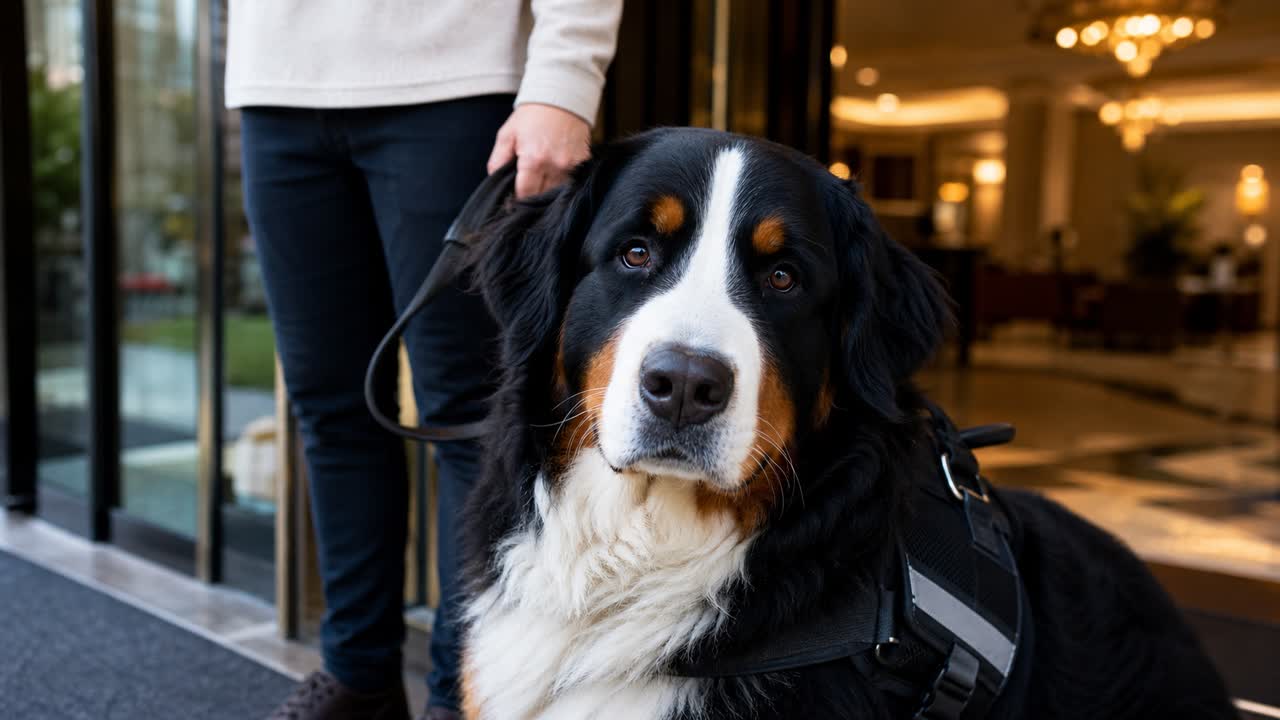
A service dog retirement checklist helps you decide when active work is no longer fair or sustainable for the dog. In most cases, retirement is not one sudden event. It is a gradual transition based on health, stamina, stress, recovery time, and the dog’s ability to perform tasks reliably without strain.
This topic is different from replacement-dog planning. Retirement focuses on the current dog’s age, comfort, and workload. Succession planning is about future support. Some handlers need to think about both at the same time, but they are not the same decision.
A practical plan usually includes veterinary input, observation, household logistics, and records you can refer back to. If you already keep training notes, a record app can make that transition easier to track.
Quick Overview
- Retirement is often gradual, not all-or-nothing.
- Common signs include slower recovery, missed tasks, soreness, stress, and shorter working tolerance.
- Your veterinarian should help rule out pain, sensory decline, or medical issues that affect safe work.
- Public access rights depend on disability and task-trained behavior, but the dog still needs to be under control and fit for the situation.
- Good records matter more than symbolic paperwork when you are explaining changes to family, employers, housing staff, or trainers.
- Many teams do well with reduced hours, lighter tasks, or partial retirement before full retirement.
1) Service Dog Retirement Checklist: Start with Function, not Age
There is no universal retirement age for service dogs. Some dogs slow down earlier because of joint disease, vision changes, anxiety, or the physical demands of their tasks. Others stay comfortable longer. The key question is not “How old is my dog?” but “Can my dog still work comfortably, consistently, and safely?”
Start your checklist with everyday functions:
- Does your dog still complete trained tasks accurately?
- Is recovery after outings slower than it used to be?
- Do you notice stiffness, hesitation, or reluctance to load into a car, stand, brace, retrieve, or walk long distances?
- Has public work become more stressful or distracting?
- Does your dog need more rest days after normal activity?
If you are unsure whether your dog still meets working expectations, a structured service check can help you think in terms of observable behavior rather than emotion alone.
2) Watch for Physical and Behavioral Signs that Work is Getting Harder
Retirement decisions usually come from patterns, not one bad day. Look for repeated signs over several weeks. Physical signs may include limping, slower movement, heavier panting, difficulty rising, reluctance to jump, or soreness after routine outings. Behavioral signs may include irritability, avoidance, shorter focus, slower task response, or visible stress in busy environments.
Senior dogs can also change in ways that are easy to miss at first. Hearing loss, vision decline, dental pain, arthritis, and weight changes may reduce working ability even when the dog still looks eager. That matters because enthusiasm does not always mean comfort.
For teams that work in stores, transit, or restaurants, it helps to compare current behavior against your usual public standard. A dog that can no longer settle comfortably or stay reliable in distracting settings may need fewer outings or a different routine. Reviewing the ADA basics alongside a public-access guide can help you distinguish legal access questions from welfare questions.
3) Get Veterinary Input before You Decide
A retirement checklist should include a veterinary conversation, especially for a dog doing mobility, retrieval, guide, or frequent public-access work. Ask your vet about pain, stamina, medication side effects, weight, sensory changes, and whether the dog’s current tasks are still appropriate.
This is also a good time to review preventive care, nail and paw comfort, hydration, heat tolerance, and any changes in sleep or appetite. Older working dogs may need shorter outings, better traction at home, more recovery time, or adjustments to gear and transport.
If you rely on written records, keep the focus practical. Notes about symptoms, workload, recovery time, and veterinary recommendations are usually more useful than chasing unnecessary formalities. For many handlers, organized records and a clear task history can make discussions about changing needs easier and more specific.
4) Decide whether Partial Retirement is the Right Middle Step
Many service dogs do not move straight from full-time work to complete retirement. Partial retirement can protect the dog while giving the handler time to adjust. That may mean shorter outings, fewer high-distraction environments, lighter tasks, or limiting work to familiar places.
Examples of partial retirement include:
- Keeping at-home alerts or grounding tasks while ending long public outings
- Reducing weekly workdays
- Avoiding stairs, long waits, heat, or slick floors
- Retiring mobility-related tasks first if they are physically demanding
This approach can also reduce friction in workplace or housing conversations. You are not arguing that the dog must do everything forever. You are showing that you are making responsible adjustments based on welfare, function, and the real-world regulations that frame access and behavior.
5) Prepare for Daily-Life Changes after Retirement
Retirement affects both the dog and the handler. Some retired service dogs stay in the home as pets. Others continue to provide routine, companionship, or limited non-working support without being treated as active public-working dogs. The biggest adjustment is often for the handler, especially if the dog has been part of every outing for years.
Your checklist should cover the practical side:
- How much exercise is still comfortable?
- Which cues should stay sharp for safety and home life?
- Will the dog still attend some appointments, or stay home more often?
- Do family members understand the new boundaries?
- What backup support do you need on days the retired dog is resting?
Retirement should feel like a welfare-based transition, not a punishment. Many dogs thrive when expectations become clearer and less demanding.
6) Keep Clear Records and Communication Simple
You do not need to overcomplicate a retirement transition, but it helps to document major changes. Keep a simple timeline of symptoms, workload adjustments, vet visits, and decisions. If a landlord, employer, school contact, or program trainer needs context, clear records can make the conversation calmer and more specific.
Focus on facts: what the dog used to do, what has changed, what the vet observed, and what accommodations or routine changes now make sense. If you still occasionally bring the dog into public places, make sure the dog can meet the behavior standards expected in those settings. If not, it may be kinder to fully remove the dog from active public work.
For related guidance, see our regulations and service check.
For related guidance, see our public access guide and record app.
FAQs
How do I know when it is time to retire a service dog?
Look for a pattern of reduced stamina, discomfort, slower task performance, recovery issues, or stress in working settings. A vet and your own records can help confirm the pattern.
Can a service dog retire from public access but still help at home?
Yes, in many cases. Some dogs stop public work first and continue limited tasks at home if those tasks are still comfortable and reliable.
Is there a set retirement age for service dogs?
No. Age matters, but function matters more. Health, workload, breed tendencies, and task type all affect the timeline.
Should I replace my dog before retirement happens?
Sometimes. But that is a separate succession-planning question. Retirement is about the current dog’s well-being, while replacement planning is about the continuity of future support.
Do I need a special certificate to retire a service dog?
No special certificate is generally required. What helps more is organized notes, veterinary guidance, and a realistic explanation of the dog’s changing workload.
Can a retired service dog still go places with me?
Possibly, but the better question is whether the dog is still comfortable, under control, and appropriate for that environment. Welfare should come first.
Sources
- AVMA: Senior Pets (PDF)
- CDC: Dogs
- ADA.gov: Service Animals
- HUD: Information for Persons with Disabilities
- ADA.gov: Service Animals FAQ
- National Association of the Deaf: Public Accommodations
Takeaway
A service dog retirement checklist centers on comfort, reliability, and fairness to the dog. When you combine veterinary input with records and a gradual transition plan, retirement becomes easier to explain and easier to manage.
- Use function and recovery, not age alone, to guide the decision.
- Consider partial retirement before full retirement when the dog still enjoys limited work.
- Keep simple records so conversations with trainers, housing contacts, or employers stay practical and clear.