
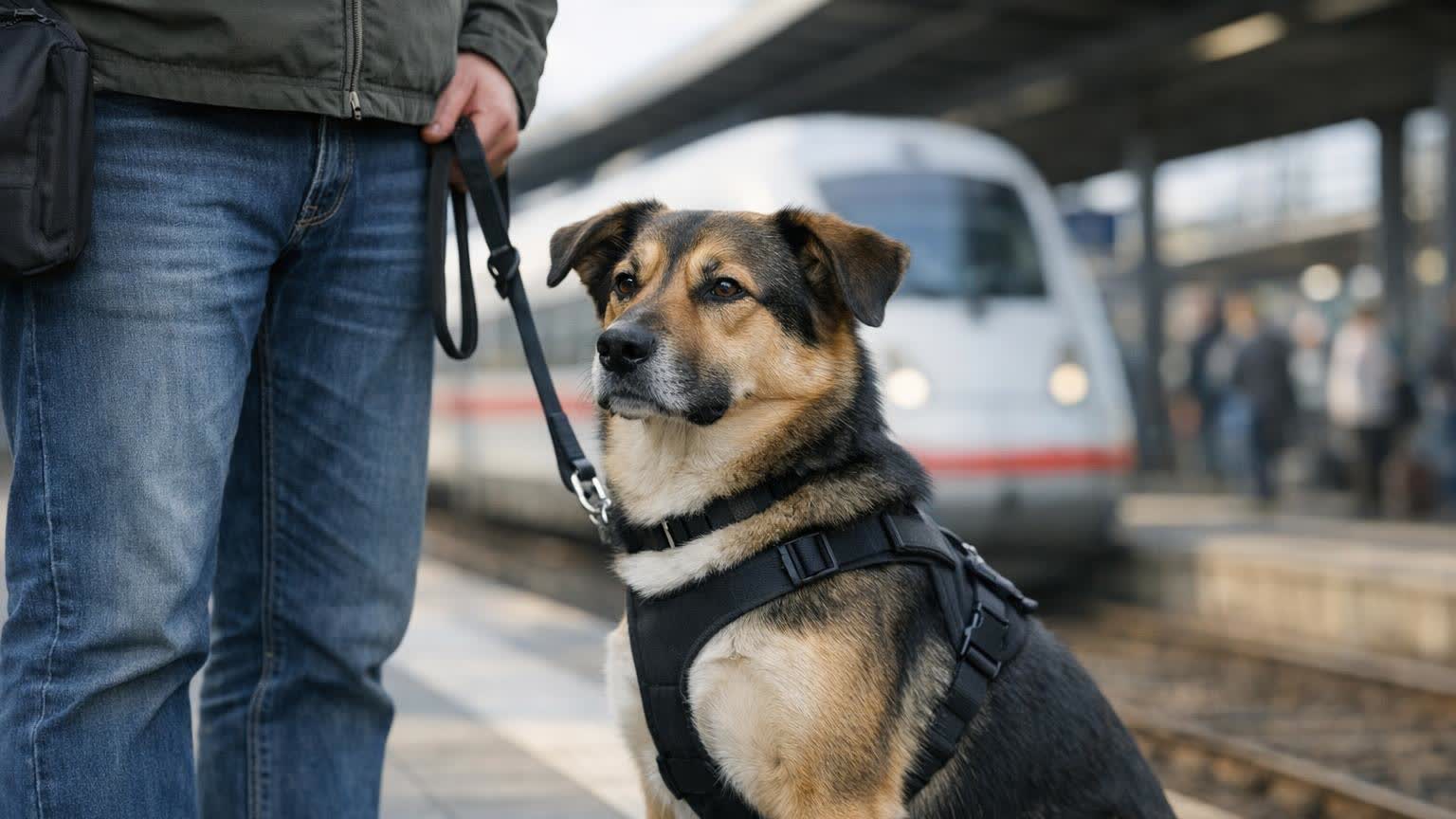
Note: This is an educational overview of common service-dog access issues in Germany, not legal advice. Rules can differ by state (Bundesland), provider (train operator, hotel, landlord), and the specific assistance type.
If you’re traveling with an assistance dog, the practical question is usually not “Is it a service dog?” but “Will this business accept my dog in spaces where pets are normally restricted?” Germany does not have a single U.S.-style federal ADA framework, so expectations around documentation and access can feel less standardized.
Quick Overview (Germany)
- Germany generally recognizes assistance dogs, but access expectations can vary by setting and operator.
- You may be asked for proof of training/status depending on the context (especially travel and certain facilities).
- No single ID card is universally required everywhere, but having clear documentation can reduce friction.
- Public transport and major operators often have policies for assistance dogs; check before travel.
- Even when access is allowed, the dog must be under control and not create a safety/hygiene issue.
- If challenged, stay calm, request a supervisor, and document names/times.
What Counts as a “Service Animal” in Germany
In everyday German usage, you’ll often see the term Assistenzhund (assistance dog). This can include guide dogs (for blind/low-vision handlers) and other assistance dogs trained to mitigate a disability (for example, mobility assistance or medical alert tasks).
Unlike the U.S. ADA model, where a service dog is defined largely by disability+trained tasks and public access is broadly standardized, Germany’s public-access expectations are often shaped by a mix of operator policy, anti-discrimination principles, and practical rules (e.g., hygiene/safety regulations in certain environments).
Practical takeaway: If your dog is trained to perform disability-related work and behaves like an assistance dog (calm, controlled, task-trained), you will usually have a better experience—especially if you can show documentation from a credible program or trainer when asked.
What’s Required vs. What’s Just Helpful?
- Required (nearly everywhere): The dog is under control (on a leash/handling), house-trained, and not disruptive.
- Often helpful: A short letter or certificate from a recognized training program; veterinary records; a translated note explaining the dog’s role.
- Sometimes requested: Program ID or proof the dog is an assistance dog (especially for transport or specific facilities).
Germany does not have one universally accepted “magic card” that guarantees access in every situation. Some providers may accept a training certificate; others may require a program ID, and some may only recognize specific categories of assistance dogs. The more complex the environment (airports, rail, international travel, certain venues), the more likely you’ll be asked for something in writing.
Public Access: Restaurants, Shops, and Public Buildings
In many everyday settings (shops, cafes, some public buildings), assistance dogs are commonly accommodated — especially guide dogs. But when a venue is strict about “no dogs,” staff may treat your assistance dog like a pet unless they recognize it as an assistance dog.
Best practice: Lead with a calm, simple explanation (“This is my assistance dog/Assistenzhund”). If you have documentation, offer it proactively only if needed. Avoid escalating unless you have to; a supervisor often resolves confusion faster.
When Access can Still Be Refused
- The dog is out of control (lunging, barking repeatedly, wandering).
- The dog is not house-trained.
- There is a legitimate, specific safety reason (rare, but possible).
Housing and Hotels in Germany
Housing is often where people feel the most uncertainty. Even when disability accommodation principles apply, landlords and property managers may have pet rules and may not understand the difference between a pet and an assistance dog.
For hotels, policies vary. Many hotels will accommodate assistance dogs, but some may require advance notice, specific documentation, or impose restrictions in certain areas (e.g., spas, pools, food-prep areas).
What to do: Contact the provider in advance, in writing, and keep the response. A short email thread that confirms “assistance dog allowed” is often more useful than arguing at check-in.
Related: Our travel hub includes practical tips for planning trips with an assistance dog.
Public Transportation (rail, metro, buses)
Major transport providers often have published rules for assistance dogs. In practice, the key issues are:
- Whether the dog can ride free (often yes for assistance dogs, but check policy).
- Where the dog can sit/lie (usually at the handler’s feet, not on seats).
- Whether proof is required for non-guide assistance dogs.
If you’re traveling internationally into or out of Germany, the documentation burden can increase quickly (vaccination records, microchip, EU pet passport rules for animals, and carrier/airport policies). Plan ahead.
If You Get Challenged: A Simple Script
- Step 1: “This is my assistance dog (Assistenzhund).”
- Step 2: “The dog is trained to assist with a disability and will stay under control.”
- Step 3: “Can we check your policy or speak with a supervisor?”
- Step 4: If refused, note names/time and request the refusal in writing.
See also: what businesses can ask when they suspect a dog is not a pet (common questions+best responses).
And if the issue is training/behavior in public, our guide on service dog public access training can help you troubleshoot.
FAQs
Is a service dog vest required in Germany?
Usually no. A vest can help reduce confusion, but it’s better to rely on calm handling and credible documentation when needed.
Can a restaurant say “no dogs” to an assistance dog?
Many places will accommodate assistance dogs, but enforcement and understanding vary. If challenged, ask to see the policy and request a supervisor.
Do I need an ID card for an assistance dog?
There is no single universally accepted ID everywhere. Some operators may request proof of training/status; having documentation is often helpful.
Are emotional support animals treated the same as service dogs?
Typically not. Assistance dogs are task-trained to mitigate a disability; emotional support animals generally do not have the same public-access expectations.
What’s the best way to avoid problems while traveling?
Confirm policies in writing ahead of time, carry key documents, and keep your dog’s public behavior solid (quiet, controlled, settled).
Sources
- German Federal Ministry of Labour and Social Affairs (BMAS) — disability and participation information (general reference)
- European Commission guidance on travel with animals (for cross-border context)
- Major German rail/transit operator policies (check your specific operator before travel)
Takeaway
Germany generally accommodates assistance dogs, but the experience can be less standardized than in some other countries. Your best protection is preparation: keep your dog’s public behavior solid, carry credible documentation, and confirm travel/hotel policies in writing when possible.
- Plan ahead for transport and hotels
- Use calm scripts when challenged
- Keep documentation handy, even if it isn’t always required