
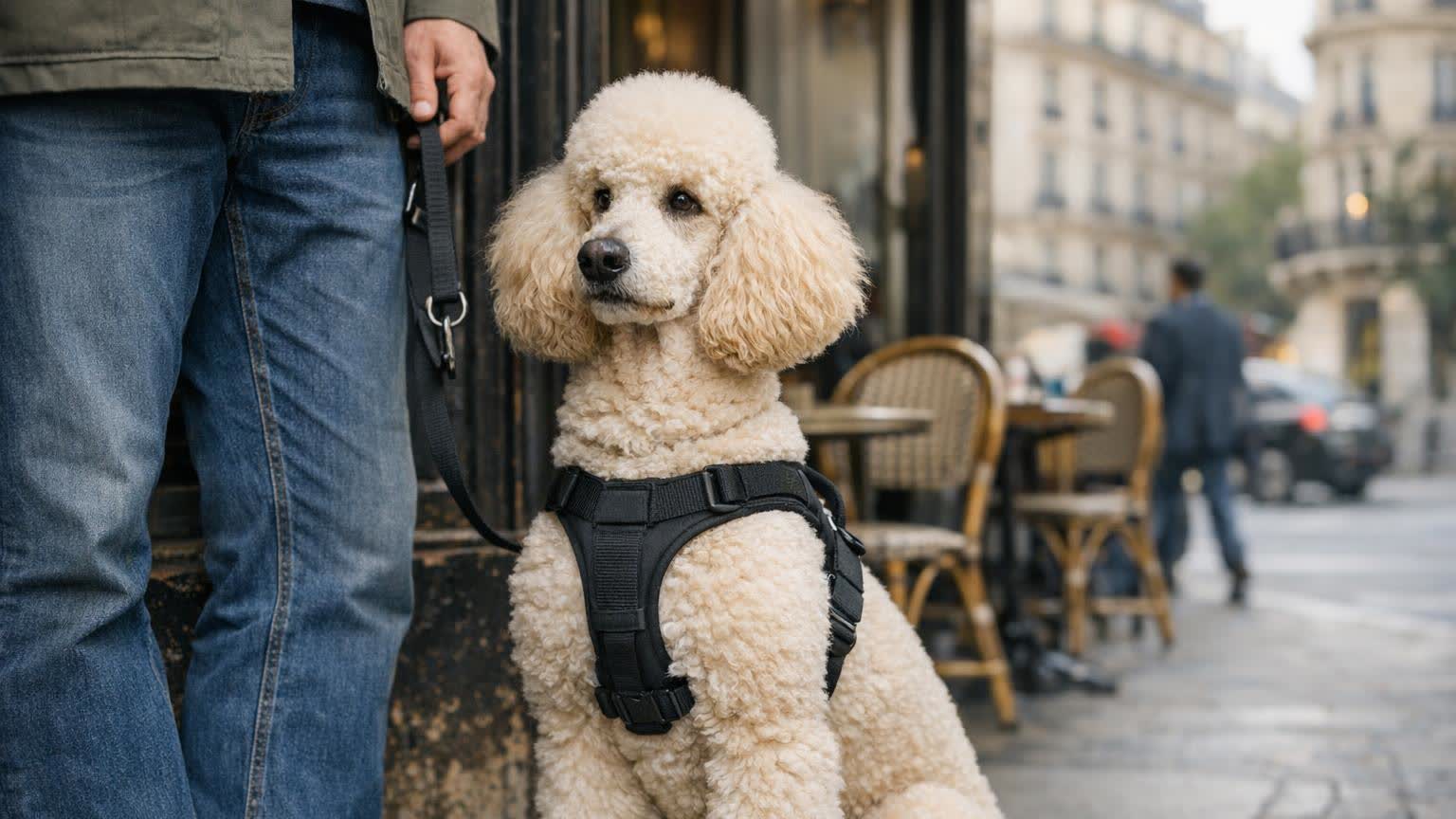
Note: This is an educational overview of common service-dog (assistance dog) access issues in France, not legal advice. Rules and enforcement can vary by setting (transport, hotels, restaurants) and the specific assistance-dog category.
If you’re visiting France with an assistance dog, most problems come down to two things: (1) Staff confusing an assistance dog with a pet and (2) Unclear expectations about documentation. The goal is to make access conversations quick, calm, and predictable.
Quick Overview (France)
- Assistance dogs are widely recognized, but day-to-day enforcement can vary by venue and staff training.
- Clear identification and credible documentation are often very helpful, even if a single “one-size-fits-all” card is not used in every context.
- Public access is strongest when the dog is calm, under control, and non-disruptive.
- For transport and hotels, confirm policies in writing before you arrive.
- If challenged, use a short script, request a supervisor, and document the interaction.
What Counts as a “Service Dog” in France?
In France, you’ll typically see terms like chien guide (guide dog) and chien d’assistance (assistance dog). These dogs are trained to mitigate a disability through specific tasks (guiding, mobility support, medical alerts, psychiatric interruption tasks, etc.).
If you’re still sorting concepts like registration vs real access rights, start here: service dog registration (what’s legit vs not).
What’s Required vs. What’s Just Helpful?
- Required nearly everywhere: The dog is under control, house-trained, and not disruptive.
- Often helpful: Training documentation, organization identification, handler documentation, and a brief explanation (French/English) of the dog’s role.
- Recognition gear: A vest/patch is strongly recommended, but it is often very helpful for reducing confusion and speeding up access conversations.
Restaurants, Shops, and Public Buildings
Most confrontations happen at entrances. A calm, repeatable approach works best:
- Keep the dog in a close heel and settled.
- Use one sentence: “This is my assistance dog.”
- If needed, ask for a supervisor and request that they apply their accessibility policy.
If you want a practical refresher on common public settings, see: restaurant access basics.
Hotels and Short-Term Rentals in France
Hotels often accommodate assistance dogs, but policies can vary — especially around breakfast areas, spas, or pool facilities. The fastest way to prevent day-of conflict is to confirm in writing before arrival.
Tip: When messaging the hotel, keep it simple: “I’m traveling with a trained assistance dog; can you confirm the dog is permitted in the hotel and common areas?” Save the reply.
Public Transportation (metro, trains, taxis)
Transport is usually manageable when the dog is settled and out of the aisle. The key is avoiding misunderstandings at gates and platforms.
- Bring documentation and keep it easy to show.
- Board calmly and settle the dog at your feet.
- If staff are unsure, ask for a supervisor rather than debating.
Related planning hub: Knowledge Center (travel, access, and documentation guides).
Air Travel to/from France (quick planning checklist)
If you’re flying with an assistance dog, treat it like a logistics project. Requirements vary by airline and route, and last-minute surprises are what create the worst airport conflicts.
- Confirm in writing what the carrier expects (forms, advance notice, seating, relief areas).
- Practice airport behavior: Long settles, quiet in lines, tight heels, and calm security screening.
- Carry a small folder (digital + paper): Training proof, vet info, itinerary, emergency contact plan.
If you want a step-by-step idea of what security can feel like, this guide is helpful: airport security with a service dog.
When Access can Be Refused (and how to prevent it)
Even in places that generally accommodate assistance dogs, access is more likely to be refused when staff can point to a concrete problem. The safest approach is to eliminate those problems in advance.
- Out of control behavior: Repeated barking, lunging, roaming, or blocking aisles.
- Hygiene issues: Not house-trained, strong odor, or shedding that creates a hygiene complaint in sensitive areas.
- Safety conflicts: The dog interferes with staff duties or creates a trip hazard in tight spaces.
Practical rule: In a dispute, your dog’s behavior is your best argument. A calm settlement ends more debates than any document.
Documentation that Actually Helps (without over-claiming)
To align with both compliance and the reality of day-to-day access, aim for documentation that is credible and easy to show without oversharing medical details.
- A training certificate or letter from a reputable trainer/program (with contact details)
- A short bilingual note explaining that the dog is trained to assist individuals with disabilities
- Vaccination and vet contact info (especially for travel)
If You’re Challenged: A Simple Script
- Step 1: “This is my assistance dog.”
- Step 2: “The dog is trained to assist with a disability and will stay under control.”
- Step 3: “Can we check your policy or speak with a supervisor?”
For business-facing access conversations, this guide helps: what businesses can ask.
FAQs
Do I need a vest for my assistance dog in France?
strongly recommended, but it’s often helpful for smoother interactions—especially in busy tourist areas.
Can a restaurant refuse an assistance dog?
Is a paid “Registry ID” required?
strongly recommended. What typically helps most is credible training documentation and clear identification, which reduces confusion.
What should I do before traveling?
Confirm hotel/transport policies in writing and practice the key public-access behaviors you’ll need (settle, heel, ignore distractions).
Sources
Takeaway
France is generally workable for trained assistance dogs, but smooth access depends on preparation: strong public behavior, clear identification/documentation, and calm scripts for staff who are unsure.
- Confirm policies in writing for hotels and transport
- Use recognition gear and documentation to reduce friction
- Keep the dog calm, controlled, and settled