
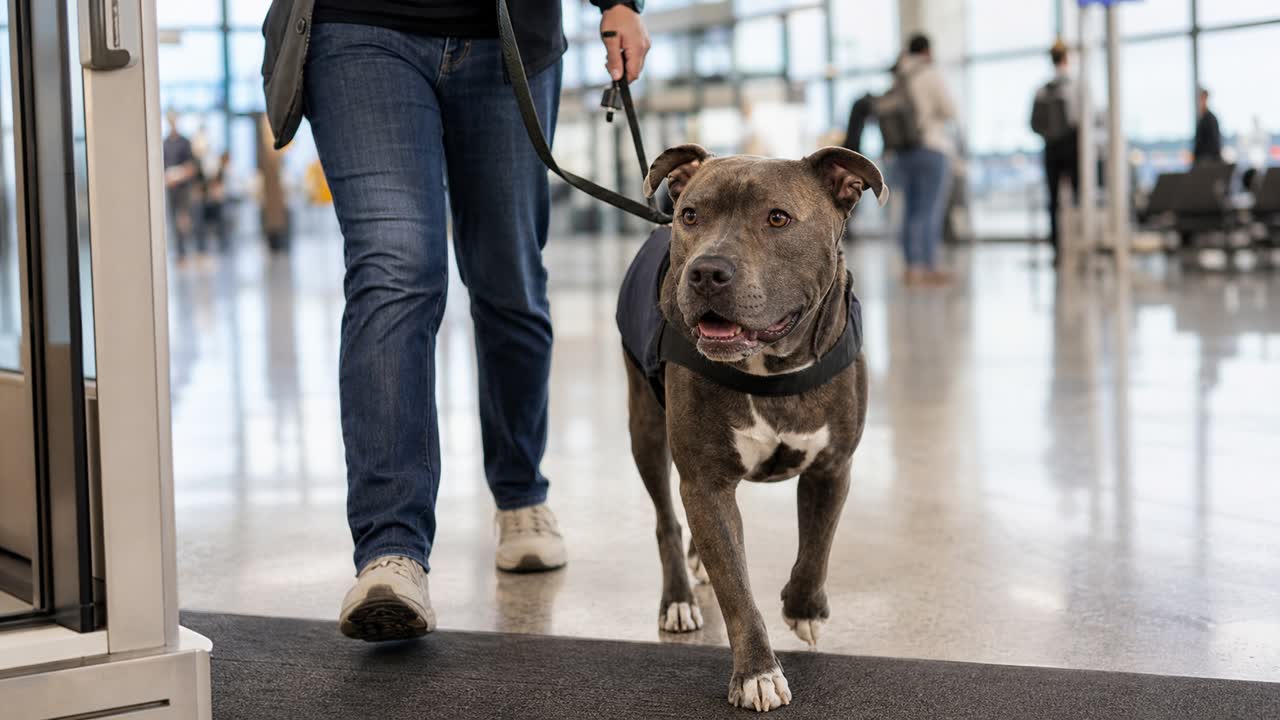
A service dog in rideshare vehicles is usually a public-access issue with a practical transportation layer on top. The main question is whether a driver can refuse the ride because of the dog, and the short answer is that a properly controlled service dog is generally not treated like an ordinary pet.
This topic is narrower than airline rules and different from housing requests. Here, the focus is on everyday transportation: getting into the car smoothly, avoiding unnecessary conflict, knowing what a driver may ask, and keeping the ride safe for you, your dog, and the driver.
In real life, the easiest rides usually happen when the dog is calm, clean, and ready to settle on the floorboard if space allows. It also helps to keep basic records organized in case you need them for your own planning, complaint follow-up, or trip notes, whether that means a folder, a short ride log, or a tracking app.
Quick Overview
- A service dog should not be treated the same way as a pet during a rideshare pickup.
- Drivers may have questions, but access decisions generally turn on service-animal rules rather than pet preferences.
- Good behavior matters: a calm, under-control dog reduces friction quickly.
- Optional items like vests or certificates may help with organization or provide peace of mind, but they generally do not determine access.
- It helps to know the basics in a public-access guide before a problem arises.
1) Why Rideshare Access can Get Messy Fast
Rideshare situations move quickly. Unlike at a hotel check-in desk or a housing office, there is often only a minute or two between a vehicle’s arrival and the decision to start the trip. That short window can create tension if a driver sees the dog, worries about shedding, assumes the dog is a pet, or is simply unfamiliar with service-animal rules.
That is why this topic belongs in the transportation and access category, not in a shopping or paperwork category. The real-world issue is not “how do I prove my dog exists?” It is “how do I handle a brief, stressful access moment without losing the ride or escalating the situation unnecessarily?”
2) What Usually Helps before the Car Arrives
Preparation matters more than people think. If your dog can load calmly, wait without pulling, and settle quickly once inside, the whole interaction tends to go better. A driver is much less likely to panic about damage or disruption when the dog looks steady and practiced.
It can also help to think through how you will enter the car, where the dog will sit, and how you will manage muddy paws, rain, or a tight back seat. Some handlers keep a small towel, cleanup bags, and a short ride routine ready to go. Others use a brief access summary or service check for their own organization, so their explanation stays consistent and calm.
3) Service Dog in Rideshare Vehicles: What a Driver can and cannot Turn into a Problem
A driver’s personal preference about pets is not the same thing as a lawful reason to refuse a service-animal ride. In general, the core issues are whether the dog is a service animal, whether it is under control, and whether there is an actual safety problem rather than a vague discomfort with dogs.
That does not mean every pickup will go smoothly. Some drivers may mention allergies, cleanliness, religion, or fear of dogs. Those situations can become fact-specific quickly, especially when company policy, local enforcement, and platform complaint systems are involved. Even so, it is usually wise to keep your response short and steady rather than turning the curbside moment into a long legal debate.
If a problem does happen, note the ride details, time, location, and what was said. That kind of record is often more useful than trying to win the argument in the moment.
4) What to Say During Pickup without Overexplaining
Most handlers do not need a speech. A short, calm statement usually works better than a defensive one. You are trying to get into the car and complete the ride, not educate the entire platform at the curb.
A practical script can be simple: This is my service dog. The dog is trained and under control, and we can board quickly. If the driver asks a limited, relevant question, answer briefly. If the driver starts demanding paperwork, registry details, or an ID card, it often helps to stay polite and avoid getting pulled into a debate about things that are not the real issue.
Optional recognition gear can sometimes reduce confusion, and some handlers prefer it for smoother day-to-day travel. But in most situations, calm behavior, clean handling, and a dog that loads and settles efficiently matter more than a card or certificate.
5) Cleanliness, Safety, and Courtesy Still Matter
Access rights do not remove the need for courtesy. A service dog in a rideshare vehicle still needs to be managed to respect the driver’s space and safety. If the dog is wet, shedding heavily after outdoor activity, or tracking in mud, take a moment to wipe the dog’s paws or use your towel before boarding, if you can do so safely.
As a rule, it helps to position the dog where it can stay tucked and stable. Many handlers prefer the floorboard if that works for the dog’s size and task needs. For larger dogs, the safest placement may depend on the vehicle. The point is to reduce movement, block as little space as possible, and avoid creating an obvious distraction for the driver.
6) What to do If the Driver Refuses the Ride
If the driver cancels or drives away after seeing the dog, prioritize safety and documentation. Do not step into traffic, chase the car, or escalate face-to-face if the situation feels tense. Instead, note the app details, vehicle information if visible, and the timing of the refusal.
Then report the incident through the rideshare platform as soon as you can. A concise complaint is often stronger than an emotional one: explain that you were traveling with a service dog, describe what happened, and include the ride details. Save screenshots and timestamps in one place to make the report easier to follow.
If refusals happen repeatedly, it may also help to review your pickup routine, your dog’s loading behavior, and whether a clearer initial script would reduce confusion. Not every refusal is your fault, but some recurring friction can be reduced with better preparation.
For related guidance, see our Knowledge Center, service check, public access guide, and tracking app.
FAQs
Can a driver refuse a service dog in rideshare vehicles because of a no-pets rule?
Generally, a no-pets preference is not the same thing as a valid reason to refuse a service dog. A service animal is not supposed to be treated like an ordinary pet for access purposes.
Do I need a service dog certificate for rideshare trips?
Typically not. Some handlers like having organized paperwork for peace of mind, but a certificate generally does not determine access. Calm behavior and clear handling usually matter more in the pickup moment.
Should my dog ride on the seat or the floor?
That depends on the dog’s size, the vehicle, and safe positioning. Many handlers prefer the floorboard when possible because it limits movement and helps the driver keep the cabin clear.
What if the driver asks for proof?
Try to stay calm and brief. Long curbside arguments rarely help. If the ride is refused, document the incident and report it through the platform.
Can I be billed a pet fee for a ride with a service dog?
A service dog generally should not be treated as a pet for routine access purposes. If a fee issue comes up, save the trip details and dispute it through the platform.
Sources
Takeaway
A service dog rideshare issue is usually won or lost in a very short interaction. The best approach is to know the basics of access, keep the dog under control, and document problems without turning every pickup into a fight.
- Keep your explanation short, calm, and focused on access.
- Make boarding easy by practicing loading, settling, and clean entry.
- Save ride details quickly if a refusal or fee issue occurs.