
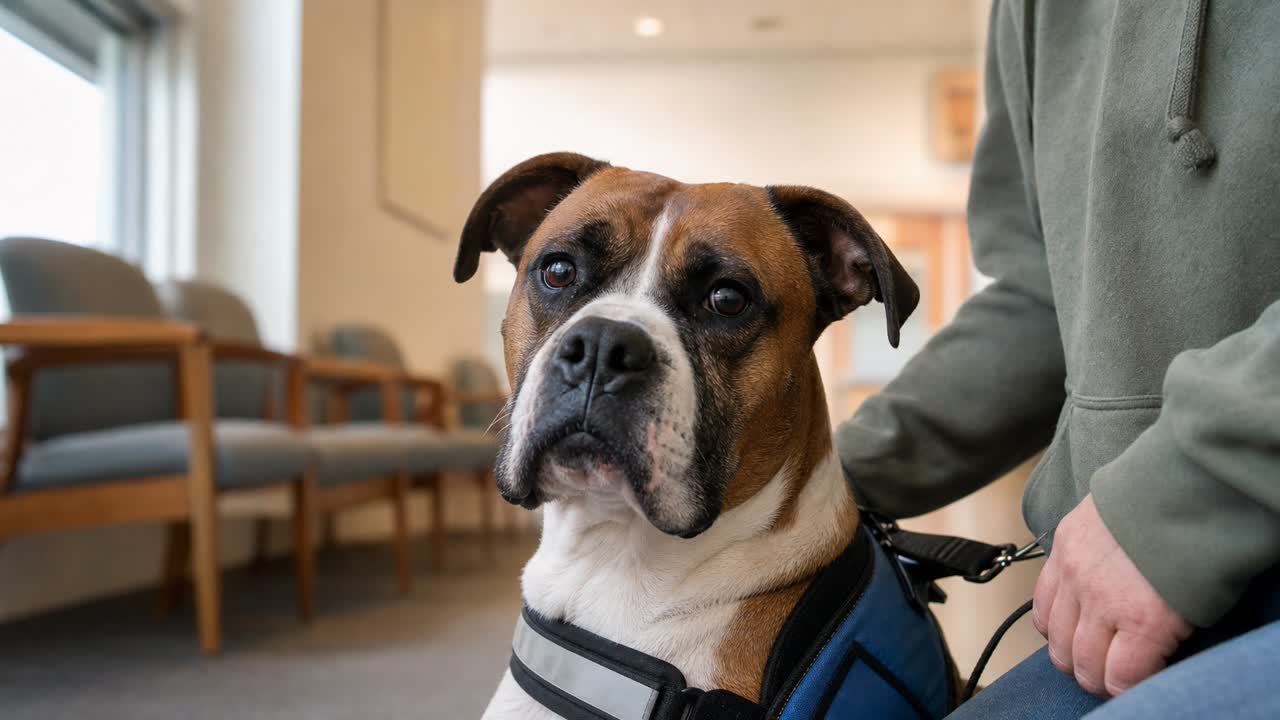
Service dog grooming for allergy-sensitive spaces requires careful attention to minimize allergens and maintain a clean environment. Whether you are a handler or a facility manager, understanding how to groom and manage service dogs in settings where allergies are a concern helps ensure comfort and compliance with public access rules.
Allergy-sensitive spaces demand proactive grooming routines that reduce dander, hair shedding, and odors without compromising the dog’s health or working ability. This article provides practical guidance on grooming techniques, communication best practices, and considerations to support service dogs in these environments.
Quick Overview
- Regular grooming reduces allergens like dander and loose hair in sensitive environments.
- Use hypoallergenic grooming products suited for the dog’s coat and skin.
- Maintain a consistent grooming schedule aligned with the dog’s work and public access needs.
- Communicate grooming routines and allergy accommodations clearly with landlords, employers, or facility managers.
- Keep grooming records to support responsible care.
- Understand allowed questions and documentation requirements under ADA and HUD regulations.
- Prepare for travel and public access by managing the dog’s cleanliness and allergen control.
- Consult qualified clinicians or trainers for advice on grooming related to allergy-sensitive spaces.
1) Understanding the Importance of Grooming in Allergy-Sensitive Paces
Service dogs working in allergy-sensitive spaces must be groomed to minimize the spread of allergens. Dander, saliva, and loose hair can trigger allergic reactions in some individuals, so handlers should adopt grooming practices that reduce these irritants. Proper grooming not only benefits those with allergies but also supports the dog’s comfort and health, ensuring it can perform its tasks effectively.
Unlike pets, service dogs have specific roles and access rights under public access rules. Grooming routines should respect these roles while addressing environmental sensitivities.
2) Recommended Grooming Practices for Allergy-Sensitive Environments
To reduce allergens, handlers should focus on:
- Frequent brushing: Use brushes designed to remove loose hair and dander without irritating the skin.
- Bathing: Bathe the dog regularly with hypoallergenic shampoos that do not dry out the skin or cause irritation.
- Trimming: Keep the coat trimmed to a manageable length to reduce shedding and dander spread.
- Cleaning ears and paws: These areas can harbor allergens and dirt; regular cleaning helps maintain overall hygiene.
- Drying thoroughly: After bathing, dry the dog completely to prevent skin issues.
Consult your veterinarian or a professional groomer experienced with service dogs to tailor grooming to your dog’s breed and coat type.
3) Communication and Considerations for Allergy-Sensitive Service Dog Grooming
While no specific certificate or registration is legally required for grooming, maintaining records can be helpful. These may include:
- Grooming logs detailing dates and types of grooming performed.
- Letters from qualified clinicians or trainers supporting the dog’s suitability for allergy-sensitive environments.
When discussing accommodations with landlords or employers, clear communication about grooming routines and efforts to minimize allergens can build trust and reduce friction. For example, referencing service screening practices may help clarify the dog’s training and care standards.
4) Managing Grooming for Travel and Public Access
Travel and public access present additional challenges for maintaining grooming standards. Before flights or visits to sensitive facilities, ensure the dog is freshly groomed and clean. This helps prevent allergen buildup and complies with flight rules and other travel requirements.
Pack grooming supplies such as wipes, brushes, and hypoallergenic sprays to maintain the dog’s cleanliness on the go. This preparation supports smooth access and reduces the chance of allergy-related issues in public spaces.
5) Behavioral Considerations During Grooming in Sensitive Spaces
Service dogs must remain calm and cooperative during grooming to avoid stress that could interfere with their work. Handlers should:
- Use positive reinforcement to encourage grooming compliance.
- Schedule grooming sessions at times that do not conflict with the dog’s working hours.
- Ensure grooming environments are clean and free from potential allergens.
Training the dog to tolerate grooming in various settings supports adaptability and reduces disruptions in allergy-sensitive spaces.
6) Legal Context and Allowed Questions about Grooming and Allergies
Under the Americans with Disabilities Act (ADA), facility and staff managers may ask only limited questions to verify a service dog’s status. They cannot require proof of grooming or medical records, but may ask:
- Is the dog required because of a disability?
- What tasks does the dog perform?
Handlers can explain how they manage grooming to reduce allergens if it helps address concerns without revealing private medical information. For more on these rights, see the knowledge hub.
7) Collaborating with Professionals for Allergy-Sensitive Grooming
Working with veterinarians, trainers, or groomers experienced in service dog care ensures grooming practices are safe and effective. Professionals can advise on:
- Appropriate hypoallergenic products.
- Coat care specific to the dog’s breed and health.
- Strategies to minimize allergen spread in sensitive environments.
Such collaboration supports responsible care and compliance with health and access standards.
For related guidance, see our knowledge hub and service screening.
For related guidance, see our public access rules and flight rules.
FAQs
-
Is a special grooming certificate required for service dogs in allergy-sensitive spaces?
-
No, there is no legal requirement for a grooming certificate. Maintaining grooming records can be helpful, but it is not mandatory.
-
How often should service dogs be groomed for allergy-sensitive environments?
-
Frequency depends on the dog’s breed and coat type, but generally, regular brushing and bathing every few weeks help reduce allergens effectively.
-
Can a landlord or employer ask for proof of grooming?
-
No, under ADA rules, they cannot require proof of grooming, but may ask about the dog’s tasks and disability-related needs.
-
What grooming products are best for allergy-sensitive spaces?
-
Hypoallergenic shampoos and gentle brushes designed for sensitive skin and coats are recommended to minimize irritation and allergens.
-
How can I prepare my service dog for travel to allergy-sensitive areas?
-
Ensure the dog is freshly groomed before travel, carry grooming supplies for touch-ups, and follow relevant travel regulations.
-
Are there specific grooming techniques to reduce allergens?
-
Yes, thorough brushing to remove loose hair and dander, regular bathing, and trimming the coat can help reduce the presence of allergens.
-
Can grooming affect my service dog’s ability to perform tasks?
-
Proper grooming supports the dog’s health and comfort, thereby enhancing task performance. Avoid over-bathing or harsh products that may cause skin issues.
-
Where can I learn more about service dog access and grooming?
-
Reliable information is available at the knowledge hub and official ADA resources.
Sources
- ADA.gov: Service Animals
- ADA.gov: Service Animals FAQ
- National Association of the Deaf: Public Accommodations
- CDC: Dogs
- CDC: Pet Travel Safety
Takeaway
Service dog grooming for allergy-sensitive spaces is a key component of responsible care that supports both the dog’s health and the comfort of those around them. By maintaining consistent grooming routines, clear communication, and appropriate records, handlers can reduce allergen exposure and ensure smooth access in sensitive environments.
- Regular grooming reduces allergens and supports the dog’s working ability.
- Maintain grooming records and communicate clearly with landlords and employers.
- Consult professionals for tailored grooming advice in allergy-sensitive settings.