
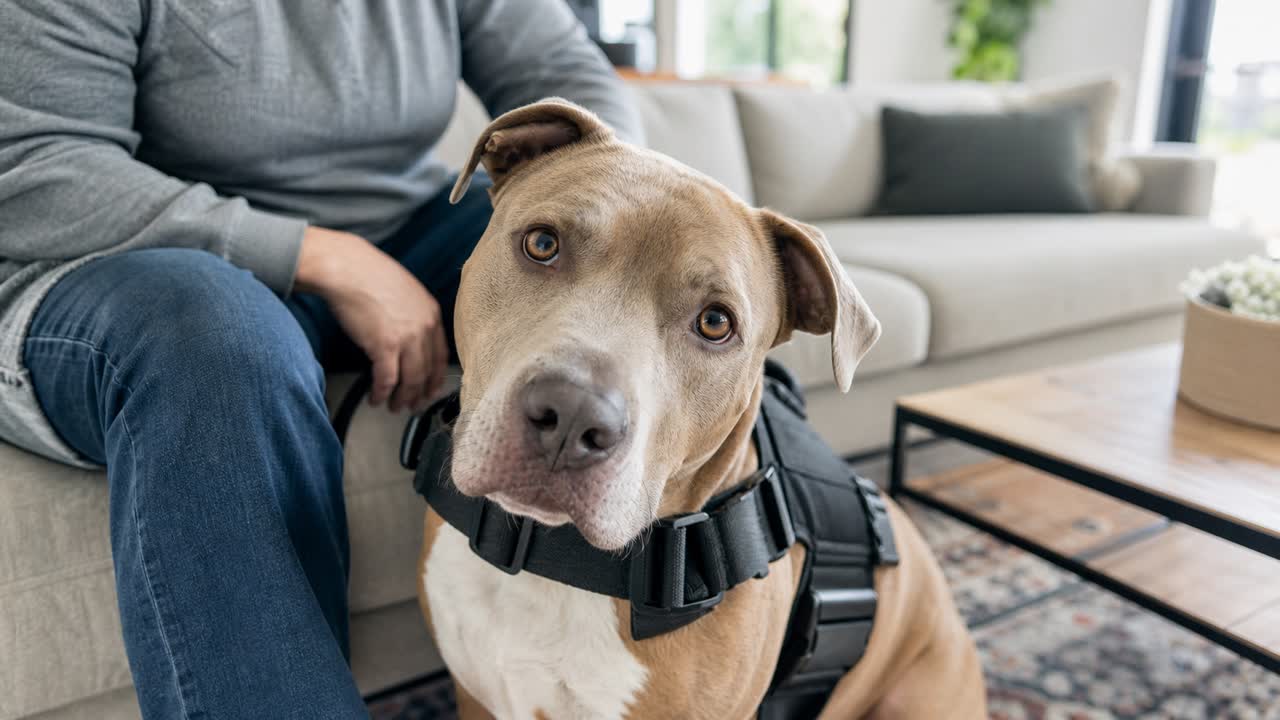
If you need to bring a service dog to Social Security office appointments, the short answer is usually yes. A trained service dog that works for a person with a disability is generally allowed to accompany its handler into a Social Security field office, even if staff, security, or other visitors are unfamiliar with the rules.
This topic is narrower than general public-access articles or courthouse rules. A Social Security office can involve check-in desks, waiting rooms, security screening, and long stretches of sitting quietly, so the practical issue is often less about legal theory and more about reducing friction on the day of the appointment.
In most situations, you should not need to show a certificate, registration, or ID card just to enter with your dog. What matters most is that the dog is trained to do disability-related work or tasks, remains under control, and can safely handle a busy government office environment.
Quick Overview
- A service dog is generally allowed to accompany its handler into a Social Security office.
- You typically do not need a vest, certificate, or registry record for entry.
- Staff may focus on behavior, control, and whether the dog is working, not on purchased paperwork.
- Security screening may still apply, so extra arrival time helps.
1) Is a Service Dog Allowed in a Social Security Office?
In practical terms, yes. If you have a disability and your dog is individually trained to perform work or tasks related to that disability, the dog should generally be able to accompany you to a Social Security office appointment.
Social Security offices are public-facing government spaces, so the access framework is not exactly the same as that of a private store or restaurant. For most readers, the useful takeaway is simple: arrive with a dog that is prepared for a crowded office and be ready to answer limited questions calmly if the dog’s role is not obvious.
If you want a quick refresher on the broader access framework before you go, a plain-language rules guide can help you organize the basics.
2) What Staff or Security may Ask about a Service Dog During Social Security Office Visits
If your disability and the dog’s work are not obvious, staff may ask limited questions consistent with general service-animal guidance. In everyday terms, that usually means confirming whether the dog is required because of a disability and what work or task the dog has been trained to perform.
They should not need a detailed medical history. If you do carry optional records for your own organization, keep them secondary to the real essentials: the dog’s behavior, your control of the leash or harness, and a short, calm explanation of the dog’s task work.
Some handlers like to rehearse a one-sentence response before arriving. That can be more helpful than carrying extra paperwork. If you are unsure whether your dog’s training and task profile are solid enough for a busy federal office, a practical service check may help you think through readiness.
3) How to Prepare before the Appointment
Preparation matters because Social Security offices can involve waiting, close proximity to strangers, mobility devices, crying children, security staff, and sudden movement. A dog that does well in a grocery store may still need more practice for a government office setting.
Before the visit, confirm that your dog can:
- Heel or move neatly through doors and lines
- Ignore food, dropped items, and attention from strangers
- Settle quietly under or beside a chair
- Stay composed around metal detectors, security procedures, or crowded entry areas
It is also smart to pack water, cleanup supplies, and any routine items you use to support the dog’s working day. A simple tracking app can be useful for organization, even though it is not usually something you must show at the door.
4) Security Screening, Waiting Rooms, and Office Etiquette
The biggest day-of challenge is often security, not access law. If the building has screening, follow instructions and allow extra time. Keep the dog close, use clear handling cues, and avoid creating a scene even if a staff member seems unsure at first.
Once inside, aim for low-disruption behavior. Keep gear compact. Do not let the dog greet other visitors unless invited and it is appropriate. If your dog performs alerts, grounding, mobility support, or another task, think ahead about how you will handle that work in a small waiting area.
This is where real-world behavior matters more than labels. The best proof that your dog belongs in the office is not a card or patch. It is a calm working presence that lets staff focus on your appointment rather than your dog.
5) When a Social Security Office could Ask You to Remove the Dog
Even when access is generally allowed, a service dog can still be excluded for behavior-based reasons. Common examples include barking repeatedly, lunging, snapping, uncontrolled wandering, or not being housebroken.
That distinction matters. Removal is usually tied to conduct, not the lack of a certificate or the fact that someone at the desk is unfamiliar with service-dog rules. If the dog is out of control and you cannot correct it, or if it poses a direct safety issue, the office may have grounds to address the situation.
For that reason, this topic is different from housing-documentation questions or travel paperwork. A Social Security office visit is mostly about public behavior, safe handling, and smooth communication in the moment.
6) What to Do If You Run into Confusion or Pushback
If someone questions your access, keep your tone brief and steady. Arguing about the law in a lobby usually does not help. A practical approach is to explain that the dog is a trained service dog required because of a disability and to answer any limited task-related questions without oversharing.
If the issue persists, politely ask for a supervisor or another staff member who handles accessibility concerns. Write down the date, office location, names if available, and what was said. Notes are often more useful later than trying to win every point during the appointment itself.
Afterward, save the details while they are fresh. If you need to follow up, having a clear timeline, task description, and behavior record can help you explain what happened without relying on memory alone.
For related guidance, see our rules guide, service check, public access rules, and tracking app.
FAQs
Can I bring a service dog to Social Security office appointments?
In most situations, yes. A trained service dog assisting a person with a disability should generally be allowed to accompany the handler into the office.
Do I need a service dog certificate to enter?
No certificate is typically required for routine public access. What usually matters is whether the dog is a trained service dog and under control.
Can security ask me to separate from my dog?
Security procedures may vary by building, but staff should try to accommodate the handler-dog team whenever possible. Arriving early helps if screening takes extra time.
Can staff ask for my diagnosis?
They generally should not need detailed medical information just to address service-dog access. A short explanation about the dog’s work is usually more appropriate than sharing private health details.
What if my dog needs to perform a task in the waiting room?
That is part of why the dog is there. The key is that the task work and the dog’s overall behavior remain safe and controlled in the office environment.
Can my dog be removed for barking once?
Not every small issue leads to removal, but repeated disruption, lack of control, or unsafe behavior can create real access problems. Office visits usually go best when the dog can settle quietly for long periods.
Sources
- ADA.gov: Service Animals
- ADA.gov: Service Animals FAQ
- CDC: Dogs
- CDC: Pet Travel Safety
- HUD: Information for Persons with Disabilities
Takeaway
-
- You usually do not need a certificate, registry entry, or ID card for access.
- The dog’s training, control, and ability to settle in a busy office are most important.
- If confusion arises, take notes and ask for accessibility assistance or a supervisor.