
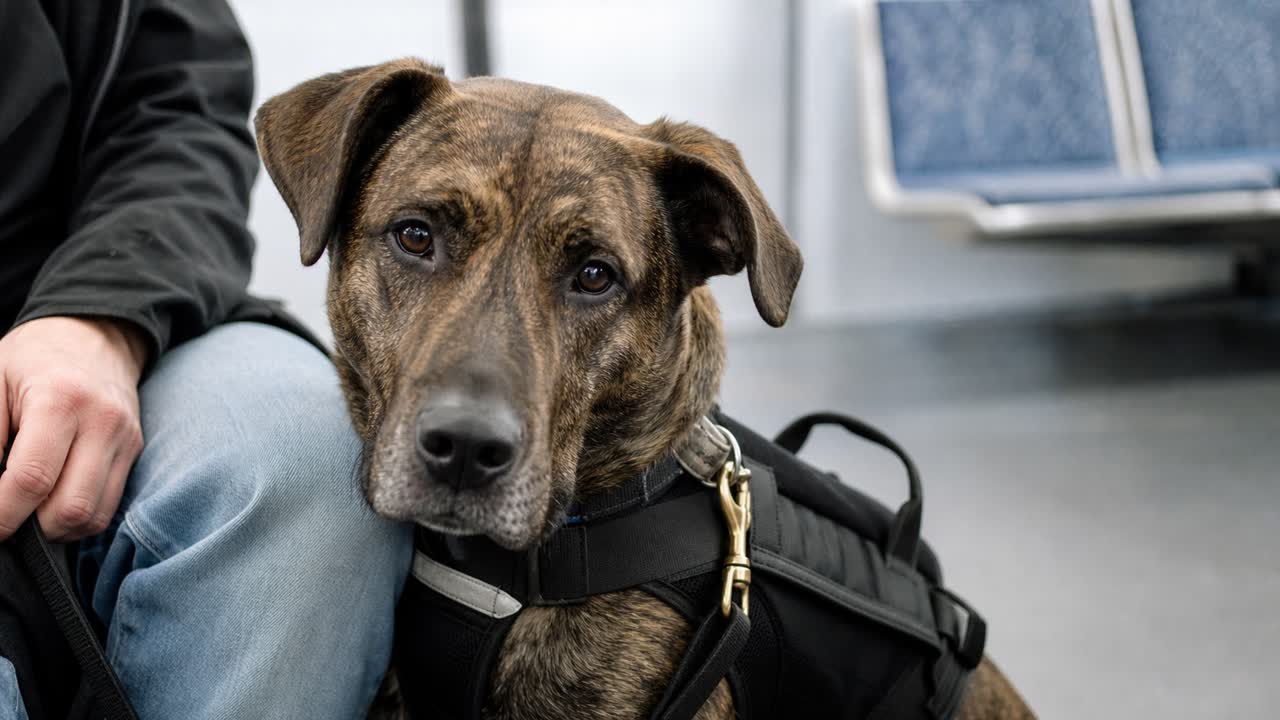
A service dog access denial incident log is a simple record you keep after a store, restaurant, hotel, taxi, or other business denies you access with your dog. Its purpose is not to escalate every awkward moment. Its purpose is to capture the facts while they are still fresh, so you can spot patterns, respond calmly, and decide whether you need to follow up.
This article is about documenting a denial after it happens, not about proving your dog with a card or certificate. It is also different from general access explainers. A broad public access guide can help you understand the rules, but an incident log is a practical tool for handling real-world conflicts when a business interaction goes sideways.
If you have ever walked away thinking, “I should have written that down,” this is the right lane. A strong log helps you record what was said, who was involved, whether your dog stayed under control, and what happened next without turning the situation into a dramatic legal memo.
Quick Overview
- Write down the date, time, location, and names of employees as soon as possible.
- Record what was said word for word when you can, especially the reason given for the denial.
- Note your dog’s behavior, leash control, and any tasks or responses that were relevant.
- Keep photos, receipts, reservation details, or witness names if they help confirm the event.
- Use one consistent format so repeated problems are easier to compare over time.
- Stay factual and calm; the log is more useful when it reads like a timeline, rather than a rant.
1) When a Service Dog Access Denial Incident Log is Worth Creating
You do not need a formal report for every odd comment. A log becomes useful when access is denied, delayed, conditioned on improper demands, or cut short after you already entered. That can include being told your dog needs papers, being asked to leave despite calm behavior, being refused transportation, or being told to use a separate entrance.
Not every uncomfortable interaction is an ADA violation, and not every denial leads to a complaint. Still, a written record protects your memory. It also helps you distinguish between a one-off misunderstanding and a recurring pattern that deserves follow-up.
2) What Details to Capture Right Away
Start with the basics: date, time, full location, business name, and the names or descriptions of employees involved. Then write what happened in order. Include the exact words used if you remember them, especially if someone demanded “registration,” refused entry because of breed assumptions, or made statements about pets that ignored service-animal rules.
Add your own response too. If you answered the two common access questions, say so. If you offered to explain calmly and the business still refused, note that. If your dog remained quiet and under control, include that as well. Facts like these matter more than general conclusions.
Many handlers keep all of this in one place, whether that is a notebook, a notes app, or a system attached to a broader Knowledge Center approach for organizing records and learning the basics.
3) Include Your Dog’s Behavior, not Just the Business’s Mistake
A good incident log should be fair. That means recording your dog’s behavior honestly, not just the denial. Was your dog leashed? Did the dog bark, lunge, sniff food displays, or block an aisle? Or did the dog stay quiet at heel while an employee still objected? Including this context makes the log more credible if you ever need to rely on it later.
This is also why many handlers review their own readiness after an incident. A quick service check can help you think through task clarity and consistency, while a behavior check can help you evaluate whether public manners may have contributed to the conflict.
The point is not self-blame. The point is accuracy. A log is strongest when it shows both the business response and your dog’s real presentation in the moment.
4) Save Supporting Evidence without Overcomplicating It
You do not need to build a lawsuit file. Usually, a few simple items are enough: a receipt showing you were there, a reservation confirmation, a screenshot of a ride cancellation, or a note with witness names. If the denial happened at a hotel, restaurant, or appointment-based business, keep the booking details with the incident record.
If you speak to a manager later, add the follow-up date and summary. If the business apologizes or corrects staff training, note that too. A balanced record is more helpful than a one-sided story, especially if your goal is correction rather than confrontation.
5) Use a Repeatable Template Instead of Rewriting the Story Every Time
The easiest log is one you will actually use. A repeatable template keeps entries short and comparable. Most handlers do well with these fields: date, place, employee name, what was said, what you said, dog behavior, witnesses, evidence saved, and follow-up status.
You can also add one line for the outcome: entered after explanation, refused entirely, left voluntarily, manager intervened, or matter unresolved. Over time, consistent entries help you see whether the same type of denial happens in the same setting, such as restaurants, rideshares, or lodging.
This article is intentionally narrower than a general rights explainer. The goal here is not to re-teach every rule. It is to help you preserve the facts so later conversations are clearer and calmer.
6) Decide What to Do after the Log is Complete
Once the event is documented, determine the next step based on the incident’s seriousness. Sometimes the best move is none at all. Sometimes a short email to management solves the issue. In more serious cases, your notes may help you prepare a complaint, ask for staff retraining, or explain a pattern to an advocate.
If you follow up, keep the tone factual: when it happened, who was involved, what reason was given, and what outcome you want. Often that outcome is simple: staff education, corrected policy, or assurance that future access will be handled properly. Your incident log should support that message, not overshadow it.
FAQs
What is a service dog access denial incident log?
Do I need to file a report every time someone asks a rude question?
No. Many handlers save a full log for denials, removals, or situations where the business demanded improper proof or refused to correct the problem.
What should I write down first?
Should I mention my dog’s behavior in the log?
Can a service dog access denial incident log replace training records or medical documentation?
Do I need a certificate or ID to make my log credible?
What if the business later apologizes?
Sources
- ADA.gov: Service Animals
- ADA.gov: Service Animals FAQ
- CDC: Dogs
- CDC: Pet Travel Safety
- HUD: Information for Persons with Disabilities
Takeaway
- Write the entry as soon as possible while details are still clear.
- Record both the denial and your dog’s actual behavior in the moment.
- Use the log to support calm follow-up, not to turn every problem into a bigger fight.