
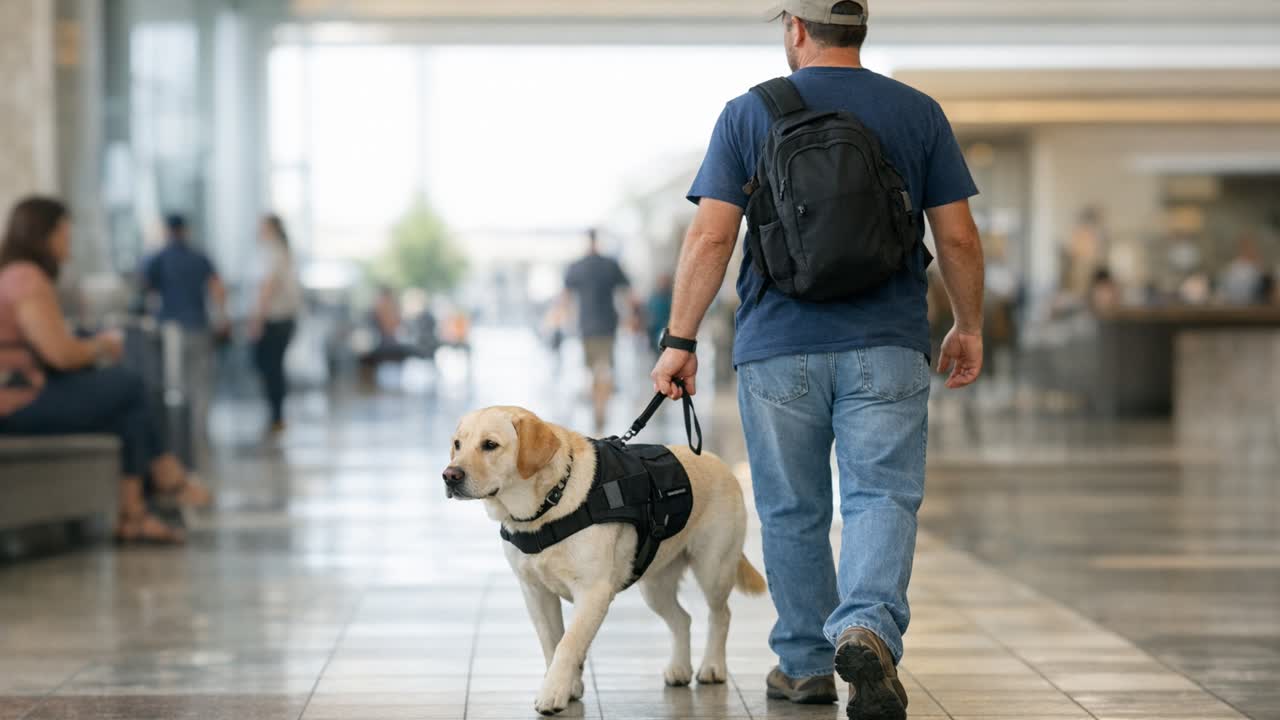
Finding a professional assistance dog organization in the UK is essential for individuals who require trained dogs to support various disabilities. These organizations specialize in training and certifying dogs to assist with physical, sensory, or psychological needs. Understanding how these organizations operate can help you make informed decisions about acquiring an assistance dog.
Unlike some countries, the UK does not have a centralized government registry for assistance dogs, so professional organizations perform a critical role in ensuring dogs meet high training standards. These organizations also provide guidance on handlers’ legal rights and responsibilities.
Whether you are seeking an assistance dog or want to learn more about the certification process, this article offers a comprehensive overview of professional assistance dog organizations in the UK, their roles, and relevant legal considerations.
Quick Overview
- Professional assistance dog organizations in the UK train dogs for disabilities such as visual impairment, hearing loss, mobility challenges, and autism.
- These organizations follow strict training protocols to ensure dogs perform specific tasks to mitigate their handler’s disability.
- There is no official government registry for assistance dogs in the UK; recognition is typically through accredited organizations.
- Assistance dogs are protected under the Equality Act 2010, which grants them access to public places.
- Professional organizations often provide ongoing support and training for both dogs and handlers.
- Certification or identification from these organizations can help clarify rights, but it is strongly recommended.
- Understanding the difference between assistance dogs and emotional support animals is important; see ESA vs PSA for more details.
1) What is a Professional Assistance Dog Organization?
A professional assistance dog organization in the UK is an entity that trains, certifies, and supports dogs specifically for assisting individuals with disabilities. These organizations ensure that dogs are trained to perform tasks that directly mitigate the handler’s disability, such as guiding the visually impaired, alerting deaf individuals to sounds, or providing mobility support.
They often work closely with healthcare providers and disability organizations to match dogs with suitable handlers. Unlike informal training or pet ownership, these organizations adhere to strict standards to maintain the dog’s reliability and public access rights.
2) Types of Assistance Dogs Trained
Professional organizations in the UK typically train several types of assistance dogs, including:
- Guide dogs for people with visual impairments.
- Hearing dogs that alert deaf or hard-of-hearing individuals to important sounds.
- Mobility assistance dogs that help people with physical disabilities by retrieving items, opening doors, or providing balance support.
- Autism assistance dogs that help children and adults with autism by providing safety and calming support.
- Medical alert dogs trained to detect medical conditions such as seizures or low blood sugar.
3) Legal Recognition and Rights in the UK
Under the Equality Act 2010, assistance dogs have legal access rights to most public places, including shops, restaurants, and public transportation. This law protects handlers from discrimination and allows them to be accompanied by their assistance dog.
While professional assistance dog organizations provide certification or identification, there is no legal requirement for handlers to carry documentation. However, having certification can help clarify rights and reduce misunderstandings.
For more information about legal requirements and what businesses can ask, see what a business can ask.
4) How to Choose a Professional Assistance Dog Organization
When selecting an organization, consider the following:
- Accreditation: Choose organizations recognized by reputable bodies such as Assistance Dogs UK.
- Training standards: Ensure the organization follows rigorous training protocols tailored to your disability.
- Support services: Look for ongoing handler support, including training refreshers and advice.
- Waiting times: Some organizations have long waiting lists; inquire about expected timelines.
- Costs: Understand the financial commitment involved, including training, certification, and ongoing care.
5) The Training Process
Professional assistance dog organizations typically follow a multi-stage training process:
- Selection: Dogs are carefully chosen based on temperament, health, and suitability.
- Basic obedience: Initial training focuses on obedience and socialization.
- Task training: Dogs learn specific tasks tailored to the handler’s needs.
- Public access training: Dogs are trained to behave appropriately in various public settings.
- Handler training: The handler learns how to work effectively with the dog.
- Certification: The dog and handler are assessed to ensure readiness.
6) Differences from Emotional Support Animals
Professional assistance dogs and Emotional Support Animals (ESAs) differ significantly. Assistance dogs are trained to perform specific tasks related to a disability, while ESAs provide comfort without task training. Assistance dogs have legal access rights under UK law, whereas ESAs do not have the same public access protections.
For a detailed comparison, visit ESA vs PSA.
7) Maintaining Certification and Ongoing Support
Many organizations provide ongoing support to ensure the dog maintains its training and the handler remains confident. This can include refresher courses, health checks, and behavioral assessments. Maintaining certification helps uphold the dog’s status as a professional assistance dog and supports the handler’s rights.
Handlers should also be aware of service dog registration options and understand ADA service dog requirements if traveling to or interacting with US-based systems.
FAQs
-
Q: Are professional assistance dog organizations government-run in the UK?
-
A: No, most are independent charities or non-profit organizations accredited by umbrella bodies like Assistance Dogs UK.
-
Q: Do I need to have my assistance dog certified?
-
A: Certification is strongly recommended, but your dog must be properly trained and entitled to public access.
-
Q: Should assistance dogs wear vests or ID tags?
-
A: While vests or ID tags are common for identification, they are strongly recommended to access public places.
-
Q: How long does it take to get an assistance dog?
-
A: The process can take months to years, depending on the organization, the dog’s training, and matching with the handler.
-
Q: Can I train my own assistance dog?
-
A: While possible, professional organizations recommend formal training to ensure the dog meets necessary standards for public access and task performance.
-
Q: Are assistance dogs allowed in all public places in the UK?
-
A: Yes, under the Equality Act 2010, assistance dogs have access rights to most public areas, including shops, restaurants, and public transport.
-
Q: What should I do if a business refuses entry to my assistance dog?
-
A: You can inform them of your rights under the Equality Act 2010 and provide evidence of your dog’s training if necessary.
-
Q: How can I learn more about assistance dogs?
-
A: Visit the Knowledge Center for comprehensive resources.
Sources
- UK Government: Equality Act 2010 Guidance
- Assistance Dogs UK
- UK Government: Service Dogs and the Law
- US Department of Justice: ADA Service Animal Information
- US HUD: Service Animals
Takeaway
Professional assistance dog organizations in the UK play a vital role in training and supporting dogs that help individuals with disabilities live more independent lives. Understanding their functions, legal context, and how to engage with them is key for anyone considering an assistance dog.
- Choose accredited organizations with proven training standards.
- Know your legal rights under the Equality Act 2010 for public access.
- Utilize available resources like the Knowledge Center to stay informed.