
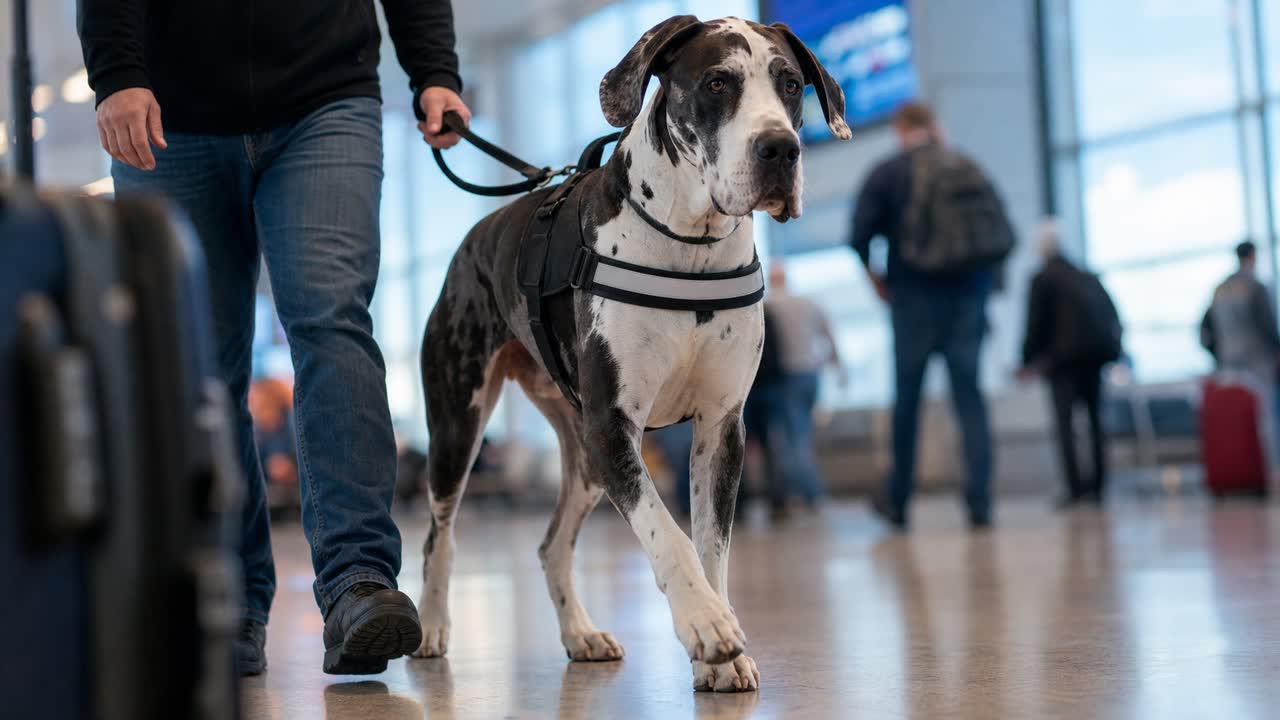
Packing medication and documents for service dog travel is less about buying special paperwork and more about reducing delays, missed doses, and stressful conversations while you are away from home. A well-packed folder and medication kit can make airport check-in, hotel arrival, road-trip stops, and unexpected vet needs much easier to manage.
This topic is narrower than general travel eligibility or training advice. The goal is not to decide whether a dog qualifies as a service animal, but to help handlers carry the right health records, travel forms, and daily care supplies in a practical, organized way.
For most trips, the best approach is to keep documents in one grab-and-go folder, keep medication in original containers when possible, and carry backup copies on paper and on your phone. Before departure, review your route, your destination, and any flight rules or venue-specific policies that may affect what you need to bring.
Quick Overview
- Keep medication, feeding supplies, and key records in a dedicated service-dog travel kit.
- Bring original prescription labels when possible, especially for medications that may raise questions in transit.
- Carry vaccination records, your veterinarian’s contact information, and an emergency clinic list for your destination.
- Use paper copies and digital backups so one lost bag does not ruin the trip.
1) Start with a Simple Travel Folder
The easiest way to avoid last-minute scrambling is to keep one slim folder or zip pouch just for your dog’s travel records. That folder can hold vaccination records, rabies documentation, microchip information, a recent photo of your dog, your veterinarian’s contact details, and any transportation forms you may need for a flight or other booked travel.
If your disability and service dog work are obvious in day-to-day travel, you may not need much explanation. Still, organized records can help when you face a gate agent who is unfamiliar with the process, a hotel desk worker who needs reassurance, or an emergency vet who needs quick history. Some handlers also keep a brief task summary and behavioral notes for personal organization, similar to how people use service screening tools to keep information clear and consistent.
2) Pack Medication Like a Health Item, not an Afterthought
Medication deserves its own routine because missed doses can affect comfort, mobility, seizure response, allergy control, digestion, or other daily functions your dog depends on. Pack enough for the full trip plus a small buffer in case of delays. If your dog takes daily medication, put it in your carry-on or personal bag rather than in checked luggage.
Original containers are usually the safest choice because the label shows the dog’s name, the prescribing veterinarian, and dosing instructions. If you use a travel pill organizer for convenience, keep the original packaging or a printed medication list with it. That list should include the medication name, dose, schedule, purpose, and storage instructions.
It also helps to separate daily medication from “just in case” items such as anti-diarrheal treatment recommended by your veterinarian, paw protection, or allergy support. The goal is to keep routine care consistent, even when flights are delayed or meal times move around.
3) Packing Medication and Documents for Service Dog Travel by Air
Air travel adds more timing pressure than most car trips, so preparation matters. Keep your dog’s paperwork in the same bag as medication, collapsible bowls, a small amount of food, cleanup supplies, and anything you would need if you were separated from checked luggage for a day.
For flights, review airline procedures in advance and compare them with current federal guidance. Some trips may involve forms, timing rules, or check-in steps that are separate from general public entry procedures. That is why it helps to separate travel compliance from everyday public access rules, so you are not relying on the wrong set of expectations.
If your dog has a medication that must stay cool, plan that part of the trip carefully. Use a travel-safe cooling method if your veterinarian approves it, and keep the label and dosing instructions within easy reach if questions arise.
4) What Records are Actually Useful on the Road
The most useful documents are usually the least flashy ones. Vaccination records, rabies proof, prescription labels, microchip details, and your veterinarian’s phone number are far more helpful in real travel situations than decorative paperwork. If you often cross state lines or travel internationally, destination-specific health rules may matter too.
A short emergency page can also help. Include your name, your dog’s name, feeding routine, medication schedule, allergies, emergency contact, and your destination address. If you ever need outside help due to a delay, illness, or a hospital visit, that single page can save you time.
Some handlers like to carry optional identification items for peace of mind, and there is nothing wrong with orderly paperwork if it helps you stay organized. The important point is that your travel file should center on records that are actually useful: health information, transportation forms, and practical care details.
5) Plan for Road Trips, Hotels, and Long Travel Days
Road trips can feel simpler than flights, but they still create medication and document risks. Bags get moved, heat builds up inside vehicles, and rest-stop timing can throw off normal routines. Keep your dog’s medication where temperature and access are easier to control, and avoid storing important documents where they can be soaked, crushed, or forgotten during a quick stop.
At hotels or short-term rentals, keep the document pouch in the same place every time, such as the desk drawer or the top of your overnight bag. That habit reduces the chance of leaving paperwork behind. It also helps to pack enough food for the trip, along with extra in case of delays.
6) Build a Backup Plan before You Leave
The best travel kits account for small failures. Bring paper copies in case your phone dies. Save digital copies in more than one place. Carry one extra leash, one extra medication-measuring tool if needed, and a written list of nearby veterinary hospitals at your destination.
If your trip is long, ask your veterinarian whether any refills, timing adjustments, or preventive care should be handled before you go. Small steps like that reduce the chance that a minor problem becomes a trip-ending one.
For related guidance, see our travel advice, service screening, flight rules, and public access rules.
FAQs
What is the most important part of packing medication and documents for service dog travel?
The most important part is keeping essential medication and key records with you, not in checked baggage. If a bag is delayed, you still need access to doses, vet contacts, and transportation paperwork.
Should I keep my dog’s medication in the original container?
Usually, yes. Original containers are helpful because they clearly show the prescription details and dosing information. If you use a travel organizer, keep a printed medication list and original labels with it when possible.
Do I need a service dog certificate when I travel?
Typically not. Certificates may feel useful for personal organization, but they are generally not the most important travel documents. Health records, transportation forms, and practical care information usually matter more.
What documents should I save on my phone?
Save vaccination records, rabies proof, transportation forms, prescription details, your vet’s phone number, and a recent photo of your dog. Digital copies are helpful if paper documents are misplaced.
How much extra medication should I bring?
Bring enough for the planned trip plus a small cushion for delays. The exact amount depends on your veterinarian’s advice and the length of the trip.
Do road trips require the same level of preparation as flights?
Not always the same forms, but the same basic discipline helps. Medication access, temperature control, feeding routine, and emergency records still matter during long drives.
Sources
- U.S. DOT: Service Animals
- CDC Yellow Book: Traveling with Pets and Service Animals
- CDC: Pet Travel Safety
- ADA.gov: Service Animals FAQ
- ADA.gov: Service Animals
- National Association of the Deaf: Public Accommodations
Takeaway
A calm, organized packing system can prevent many service-dog travel problems before they start. Focus on useful health records, easy access to medication, and backup copies rather than decorative paperwork.
- Keep medication and core records in one carry-on travel kit.
- Use original labels and clear dosing notes whenever possible.
- Review travel-specific rules early so that paperwork and timing do not catch you by surprise.