
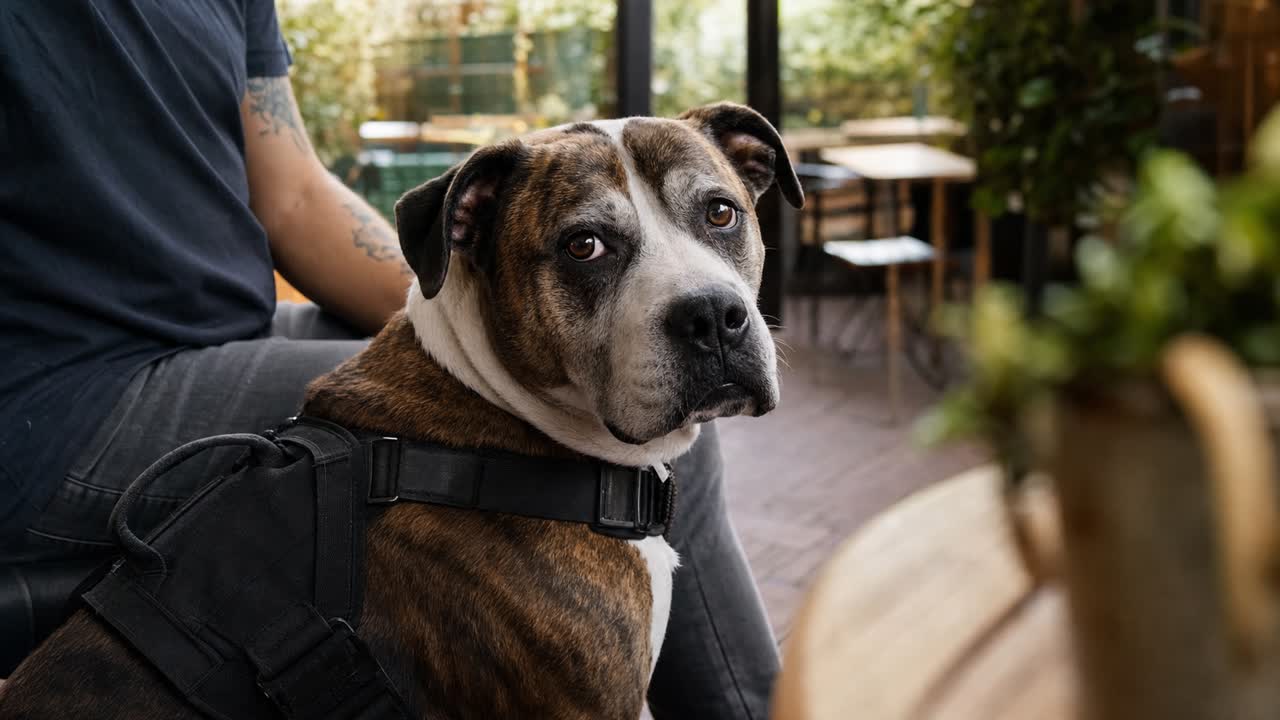
If you are dealing with landlord repair visits with a service dog, the main goal is usually simple: let the repair happen, keep your dog safe and under control, and avoid unnecessary conflict with the landlord, manager, or maintenance crew.
In most cases, a landlord can still schedule legitimate repair access under the lease and applicable state rules, even when you have a service dog.
The practical approach is to confirm the appointment in writing, tell the landlord or maintenance team what they need to know to enter safely, and use the visit to show steady handling rather than argue from the doorway. If you need broader day-to-day rental tips, this kind of planning fits naturally with living advice for handlers in shared housing.
Quick Overview
- Repair visits and housing accommodation issues overlap, but they are not exactly the same question.
- A landlord may usually arrange reasonable access for real repairs, subject to the lease and local notice rules.
- Your service dog should stay under control during the visit, whether working beside you or settled in a safe spot nearby.
- You generally do not need to invent extra paperwork for a routine repair appointment.
1) What Landlord Repair Visits with a Service Dog Usually Involve
Most repair visits are brief entries for plumbing, electrical, appliance, pest, or safety issues. That matters because the best plan is often operational rather than legalistic. You are managing a temporary in-home work visit while maintaining the service dog’s role and the workers’ ability to perform their jobs safely.
It helps to say this plainly at the start: “I have a service dog in the unit. I’ll have the dog under control during the repair. Please knock first and give me a moment before entering.” That kind of message is often enough to set expectations without oversharing.
If the dog is still developing reliability around strangers entering the home, do an honest readiness check before the appointment. A simple ESA check is not a legal test for a service dog, but it can still help you think through whether your records, routines, and accommodation conversations are organized well enough for housing situations.
2) What to Tell the Landlord or Maintenance Team before Entry
Good pre-visit communication reduces friction more than last-second explanations. Then add only the details that help the visit go smoothly: that a service dog is present, that the dog will remain controlled, and whether the crew should wait for you to secure the dog before opening the door.
You usually do not need a long speech about disability law for a routine maintenance call. A short message is often better: “Please text or knock on arrival. I need a moment to position my service dog before entry.” That protects both safety and privacy.
If the landlord asks for something unrelated to the repair, such as broad medical details, bring the conversation back to the actual issue. A basic set of housing guidance can help you keep those categories separate.
3) How to Handle the Dog During the Repair Visit
The right setup depends on the dog’s tasks and the nature of the repair. Others can cue a down-stay on a mat, behind a gate, or in another safe room while remaining available if needed.
For loud or intrusive repairs, think ahead about triggers: repeated door openings, tool noise, workers moving room to room, or an unfamiliar person stepping close to medical equipment or personal space. A calm dog that remains responsive to cues will do more for you than any extra explanation.
If a worker says they are nervous around dogs, try a practical adjustment first. You might keep the dog on leash at your side, ask the worker to announce room changes, or position yourself so the dog is not between the worker and the repair area.
4) When Documentation Matters and when It Usually Does Not
For many repair visits, behavior and communication matter more than paperwork. You generally do not need to present an ID card, certificate, or registry printout just because a maintenance worker is entering the unit.
What is more useful is a small record set you can actually use: lease emails, accommodation-related correspondence if one exists, veterinary records, training notes, and a short personal summary of how your dog works in the home. Keeping that material organized in a record app can make it easier to answer practical questions without scrambling during a stressful repair window.
If the disability or disability-related need was already addressed as part of your housing file, there is usually no reason to restart that process every time a sink leaks or an appliance breaks.
5) Common Friction Points During Repair Appointments
Three issues often come up: surprise entry, worker discomfort, and dog behavior under stress. Ask for notice, request a knock before unlocking, and be ready a few minutes early so you are not trying to manage the dog after the door is already open.
Worker discomfort does not automatically override your need for a service dog, but it does mean the visit may require calm problem-solving.
Behavior is the issue you can control most directly. If the dog is barking repeatedly, blocking the workspace, jumping, or cannot settle, the appointment becomes harder for everyone. A realistic plan is more persuasive than insisting everything is fine when it clearly is not.
6) What to do If the Landlord or Worker Objects to the Dog
If someone says the dog has to leave for the repair to happen, do not escalate immediately unless the situation truly requires it. Ask why. Sometimes the concern is narrow and fixable: tool noise, room access, an open exterior door, or a worker carrying hazardous materials.
If the objection is more general, such as “we do not allow animals,” bring the conversation back to the service dog’s role and the specific repair at hand. Keep your response short and professional. You are trying to get the work done while preserving your housing position, not winning a hallway debate.
Document what happened if the visit is delayed, refused, or turned into a broader dispute. Save texts, emails, work orders, and notes about who said what. That record is often more useful later than trying to argue every point on the spot.
FAQs
Can a landlord enter for repairs if I have a service dog?
Usually, yes, if the entry is otherwise allowed under the lease and applicable law. Having a service dog does not normally preclude legitimate access to the repair, but the visit should still be handled safely and reasonably.
Do I have to remove my service dog during a repair visit?
Not automatically. Many situations can be handled by keeping the dog under control, repositioning it, or adjusting how workers enter and move through the unit.
Should I tell maintenance workers ahead of time that I have a service dog?
Usually yes. A short heads-up helps prevent abrupt entry, startled reactions, and unsafe door openings. Keep the message practical and brief.
Can a worker ask for proof during landlord repair visits with a service dog?
A worker may ask questions, but a routine repair visit is usually not the place for broad demands for extra paperwork. In practice, clear communication and controlled behavior tend to matter most in the moment.
What if my dog needs to stay close to me while the repair is happening?
Explain that calmly and manage the workspace as best you can. If the dog performs tasks you may need during the visit, try to position the dog so it can still work without interfering with tools or movement.
Sources
- HUD: Information for Persons with Disabilities
- ADA.gov: Service Animals FAQ
- ADA.gov: Service Animals
Takeaway
Repair appointments are easiest when you separate housing rights from repair logistics, communicate early, and manage the dog in a calm, predictable way.
- Confirm the visit in writing and ask for a knock or notice before entry.
- Use positioning, barriers, or leash control to keep the workspace safe without unnecessarily sidelining the dog.
- Keep practical records in case a routine repair turns into a larger housing dispute.