
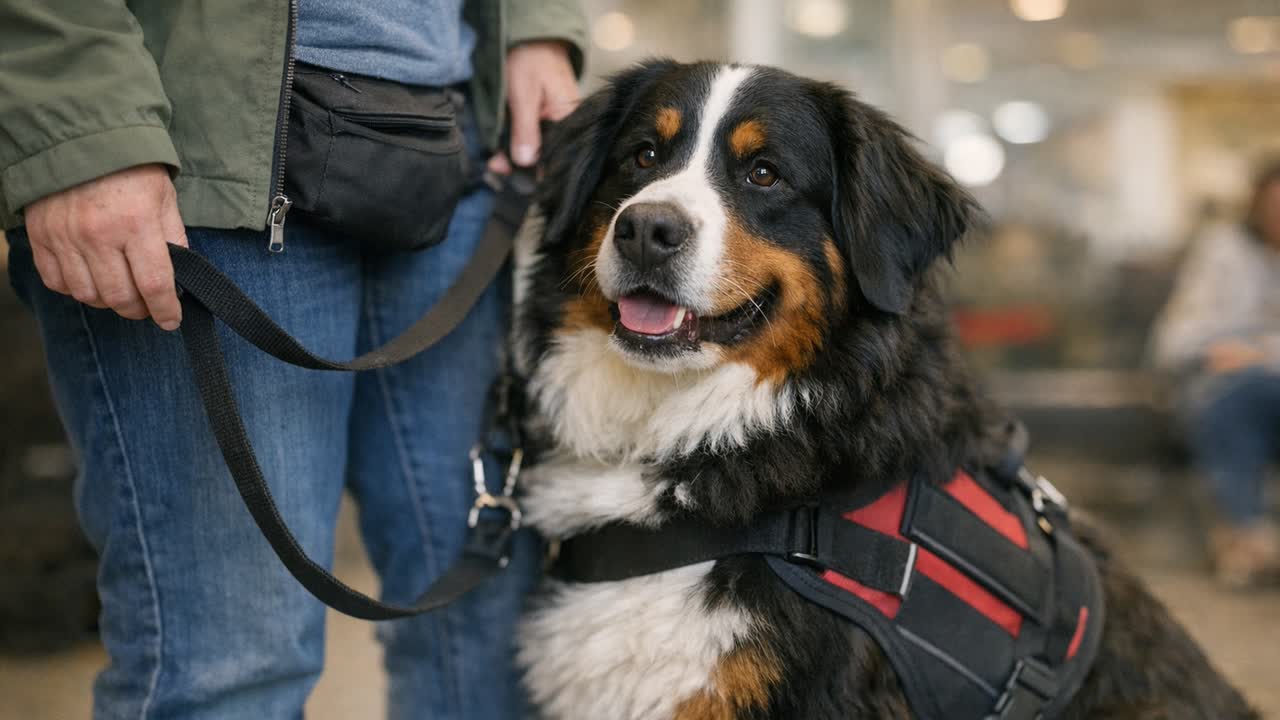
Training a medical alert dog is a rewarding process that can significantly improve the quality of life for individuals with certain medical conditions. These dogs are specially trained to detect specific health issues, such as seizures, low blood sugar, or severe allergies, and alert their handlers promptly. Understanding how to train a medical alert dog involves patience, consistency, and tailored techniques suited to the handler’s unique needs.
Whether you are considering training your own dog or working with a professional trainer, understanding the basic steps and requirements can help you succeed. This guide will walk you through effectively training a medical alert dog, from foundational obedience to specialized alert behaviors.
While some people may choose to obtain certificates or identification for their medical alert dogs, it’s important to know that these are not always legally required. Instead, maintaining thorough training logs, task lists, and, when applicable, a letter from a healthcare provider can be practical tools to demonstrate your dog’s role and training.
Quick Overview
- Medical alert dogs are trained to recognize and respond to specific medical conditions.
- Training begins with basic obedience and socialization skills.
- Specialized alert training involves teaching the dog to detect physiological changes.
- Positive reinforcement and consistency are key to successful training.
- Documentation such as training logs and task lists can support your dog’s role.
- Working with a professional trainer or organization can be helpful, but it is not mandatory.
- Understanding rules and regulations helps ensure compliance in public spaces.
- Ongoing training and evaluation maintain your dog’s alert skills and reliability.
1) Understand the Role and Capabilities of a Medical Alert Dog
Before starting training, it’s important to clearly define what medical alert tasks your dog will perform. Medical alert dogs can detect a variety of conditions such as seizures, diabetic lows or highs, migraines, or panic attacks. Each condition requires the dog to recognize different physiological cues, such as changes in scent, shifts in behavior, or subtle changes in body language.
Research your specific medical condition and how dogs have been trained to assist with it. This knowledge will guide your training methods and help you set realistic expectations.
2) Choose the Right Dog for Training
Not every dog is suited to becoming a medical alert dog. Ideal candidates are typically calm, attentive, and eager to work. Breeds often used include Labrador Retrievers, Golden Retrievers, and Poodles, but many mixed breeds can also be successful. The dog should be healthy, well-socialized, and responsive to training.
Early socialization and exposure to various environments will help your dog remain focused and comfortable in public settings.
3) Start with Basic Obedience Training
Before specialized alert training, your dog must have solid obedience skills. Commands such as sit, stay, come, heel, and leave it are fundamental. Reliable obedience ensures your dog can focus on alert tasks even in distracting environments.
Use positive reinforcement techniques like treats, praise, and play to encourage good behavior. Consistent daily practice is essential.
4) Introduce Alert Behavior Training
Once basic obedience is established, begin teaching your dog to recognize and respond to your medical condition. This often involves associating a specific cue or physiological change with a reward.
For example, if training for a diabetic alert, you might use scent samples of low blood sugar or simulate episodes to help your dog learn to identify the scent or behavior. When the dog shows the desired alert behavior — such as pawing, nudging, or barking — reward immediately.
Patience and repetition are important, as this specialized training can take weeks or months.
5) Practice Alert Tasks in Real-Life Situations
Generalizing the alert behavior to different environments is crucial. Practice in various locations, with different distractions, and around other people. This helps your dog reliably understand when and where to perform the alert.
Keep training sessions short but frequent, and always end on a positive note.
6) Document Your Training Progress
Maintaining a detailed training log can be very helpful. Record the tasks your dog has learned, the methods used, and progress over time. This documentation can provide peace of mind and help communicate your dog’s role to others if needed.
Additionally, a letter from your healthcare provider explaining your need for a medical alert dog can support your dog’s access in public spaces, though it is not always legally required.
7) Evaluate and Maintain Your Dog’s Skills Regularly
Medical alert dogs require ongoing training and evaluation to ensure their skills remain sharp. Set aside time each week for refresher training and consider periodic assessments by a professional trainer if possible.
Regular health check-ups for your dog are also important to maintain their well-being and ability to perform alert tasks.
FAQs
How to train a medical alert dog if I have no prior experience?
Start with basic obedience training and gradually introduce alert tasks related to your condition. Using positive reinforcement and consistent practice helps. You may also consider consulting a professional trainer for guidance.
Are medical alert dog certificates legally required?
Certificates or IDs are not always legally required. However, they can be helpful for organization and peace of mind. Practical alternatives include maintaining training logs, task lists, and having a healthcare provider’s letter when relevant.
How long does it take to train a medical alert dog?
Training time varies depending on the dog, the condition, and the handler’s consistency. It can take several months to a year to fully train a reliable medical alert dog.
Can any dog be trained as a medical alert dog?
While many dogs can learn alert tasks, suitability depends on temperament, health, and trainability. Calm, attentive, and motivated dogs are generally better candidates.
What should I do if my dog alerts incorrectly?
Review your training methods and reinforce correct alert behaviors with positive rewards. Avoid punishing your dog, as this can cause confusion. Consistent practice and patience improve accuracy over time.
Is professional training necessary for medical alert dogs?
Professional training can be beneficial, but it is not mandatory. Many handlers successfully train their own dogs with the resources and support available. The key is consistent, focused training tailored to your needs.
How can I maintain my medical alert dog’s skills?
Regular refresher training sessions, practicing alert tasks in different environments, and ongoing socialization help maintain your dog’s abilities.
Can a medical alert dog help with multiple conditions?
Some dogs can be trained to alert for more than one condition, but this requires careful training and evaluation to ensure reliability for each task.
Sources
- ADA Service Animals Guidance
- ADA Service Animal Q&A
- HUD Assistance Animals Information
- CDC Healthy Pets, Healthy People
Takeaway
Learning how to train a medical alert dog involves a combination of basic obedience, specialized alert training, and ongoing maintenance. While certificates and IDs may provide convenience, practical alternatives like training documentation and healthcare provider letters are valuable tools.
- Start with solid obedience and socialization skills.
- Use positive reinforcement to teach alert behaviors tailored to your medical needs.
- Keep detailed training logs and consider professional support as needed.
For more guidance on service animal topics, visit our Knowledge Center and explore additional living advice and travel advice. Understanding the rules and regulations and comparing ESA vs PSA can also help you make informed decisions.