
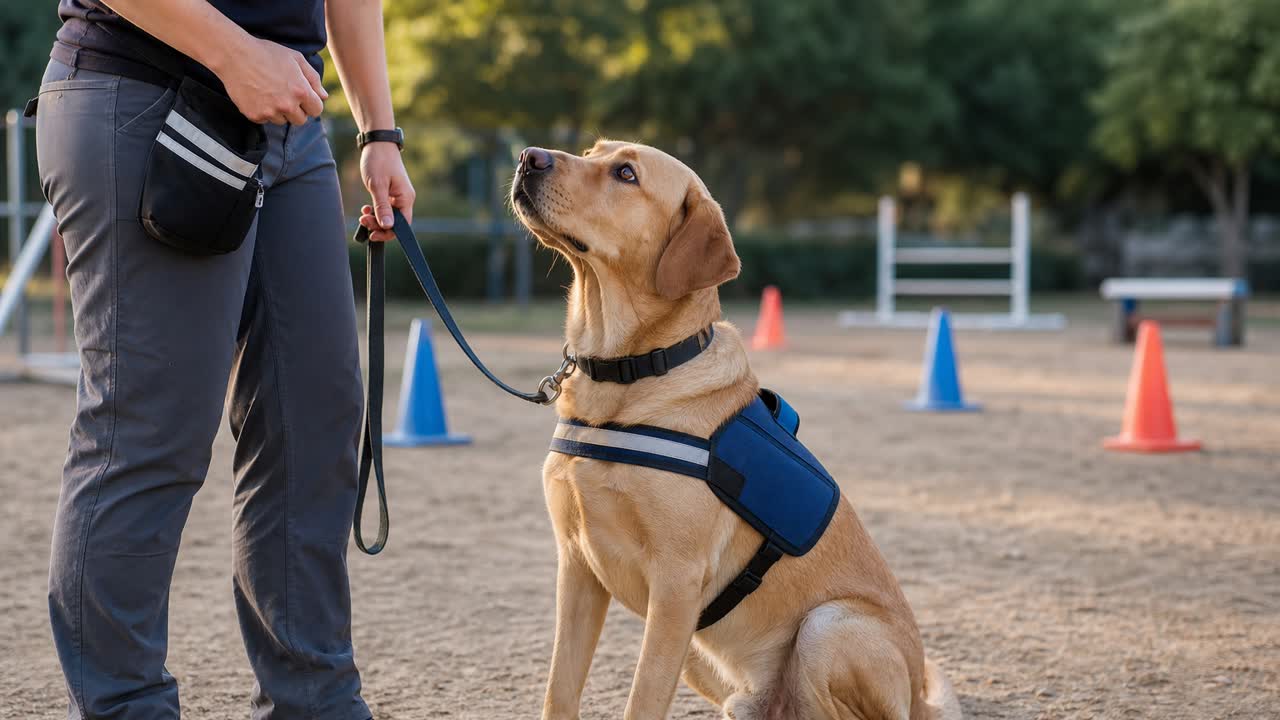
For those interested in supporting individuals with disabilities, learning how to become an assistance dog trainer is a meaningful path. Assistance dog trainers help prepare dogs to perform specific tasks that improve their handlers’ independence and quality of life. This role requires a combination of skills, patience, and understanding of both canine behavior and the needs of people with disabilities.
Becoming an assistance dog trainer involves formal education, hands-on experience, and ongoing learning. Trainers often work with organizations or independently, focusing on training dogs to assist with mobility, hearing, medical alerts, or psychiatric support. Understanding the best practices and legal context for training and public access is also essential for success in this field.
This article provides a practical guide to becoming an assistance dog trainer, outlining key steps, important considerations, and resources to support your journey.
Quick Overview
- Gain foundational knowledge in animal behavior and training techniques.
- Obtain hands-on experience working with dogs, ideally in assistance or service roles.
- Understand the legal framework surrounding assistance dogs and public access rights.
- Develop skills in task-specific training tailored to various disabilities.
- Build relationships with healthcare professionals and clients to ensure responsible documentation and support.
- Consider certification or evaluation programs to demonstrate proficiency in training.
- Stay informed about behavior screening and public access requirements.
- Commit to ongoing education and ethical training practices.
1) Understand the Function and Responsibilities of an Assistance Dog Trainer
Assistance dog trainers prepare dogs to perform tasks that mitigate their handler’s disability. This can include guiding individuals with visual impairments, alerting to medical conditions, or providing psychiatric support. Trainers must be knowledgeable about canine behavior, learning theory, and the specific needs of the people they serve.
In addition to training skills, trainers often assist with client education, helping handlers understand how to work effectively with their dogs. Familiarity with public access guide principles ensures trainers prepare dogs that behave appropriately in public settings, reducing friction and promoting acceptance.
2) Acquire Foundational Education and Training Skills
Formal education in animal psychology, behavior, or related fields can provide a strong foundation. Many trainers start with courses or certifications in dog training that emphasize positive reinforcement and humane methods. Practical experience through internships or volunteering with assistance dog organizations is invaluable.
Understanding behavior screening is critical to identifying suitable dogs for assistance roles. A solid grasp of behavior screening techniques helps ensure dogs possess the temperament and reliability needed for their future tasks.
3) Gain Experience with Assistance Dog Training Programs
Hands-on experience is essential. Working with established assistance dog programs allows aspiring trainers to learn task-specific training methods, client interaction, and program evaluation. This experience also helps trainers understand the importance of responsible documentation, including maintaining training logs and providing clear handler education materials.
Many programs emphasize the importance of tailored training plans that address each handler’s unique needs, a crucial skill for trainers entering the field.
4) Learn About Legal and Ethical Considerations
Assistance dog trainers should be well-versed in the Americans with Disabilities Act (ADA) and additional relevant laws governing the use and access rights of assistance dogs. Understanding what questions are allowed when verifying an assistance dog’s status and how to handle documentation responsibly reduces potential conflicts.
While service dog certificates or IDs are not legally required, trainers should be prepared to educate clients about practical records, such as training logs, task lists, and other documentation, that clearly and accurately explain the dog’s work.
5) Develop Communication and Client Support Skills
Trainers often serve as a bridge between the dog and the handler, as well as between the handler and other stakeholders, such as landlords, employers, or transportation providers. Effective communication skills help trainers guide clients through conversations about accommodations, behavioral expectations, and documentation.
Providing clients with clear information about their rights and responsibilities fosters trust and helps reduce friction in public or workplace settings. A broader regulations overview can also help trainers explain the difference between legal standards and practical preparation.
6) Consider Certification or Evaluation Programs
While certification or formal evaluation is not always legally required, some trainers pursue it to demonstrate their expertise and the quality of their training programs. These credentials can provide clients and organizations with peace of mind, fostering trust and professionalism.
Regardless of certification, maintaining detailed training records and task lists is a practical way to document a dog’s training and capabilities.
7) Commit to Ongoing Education and Professional Development
The field of assistance dog training evolves as new research and best practices emerge. Staying informed about advances in training methods, behavioral science, and legal updates ensures trainers can provide the best possible support.
Engaging with professional networks, attending workshops, and accessing resources, such as the knowledge hub, can help trainers maintain high standards and adapt to changing needs.
FAQs
How to become an assistance dog trainer?
Start by gaining foundational knowledge in dog training and behavior, seeking hands-on experience with assistance dog programs, learning about legal requirements, and developing strong communication skills. Ongoing education and responsible documentation practices are also important.
Is certification required to be an assistance dog trainer?
Certification is not legally required, but it can enhance credibility and client confidence. Maintaining detailed training records and consistent evaluation standards are practical alternatives.
What skills are essential for assistance dog trainers?
Key skills include understanding canine behavior, task-specific training, client communication, knowledge of disability laws, and ethical training practices.
How can trainers support clients in housing or workplace situations?
Trainers can help clients prepare documentation, understand accommodation rights, and communicate effectively with landlords or employers to reduce friction and ensure compliance.
Are assistance dog trainers responsible for behavior screening?
Yes, trainers often conduct or oversee behavior screening to ensure dogs are suitable for assistance roles, using standardized methods to assess temperament and reliability.
What legal protections apply to assistance dogs?
The ADA and additional federal laws protect the rights of individuals with assistance dogs, including access to public spaces and housing accommodations.
How important is ongoing education for trainers?
Continuous learning helps trainers stay current with best practices, legal updates, and advances in animal behavior science, which benefits both dogs and handlers.
Sources
Takeaway
Learning how to become an assistance dog trainer involves a blend of education, hands-on experience, and understanding of legal and ethical considerations. Trainers play a pivotal role in preparing dogs and handlers for successful partnerships that enhance independence and quality of life.
- Build foundational knowledge in dog training and behavior.
- Gain practical experience with assistance dog programs and behavior screening.
- Stay informed about legal rights, documentation, and best practices for public access.