
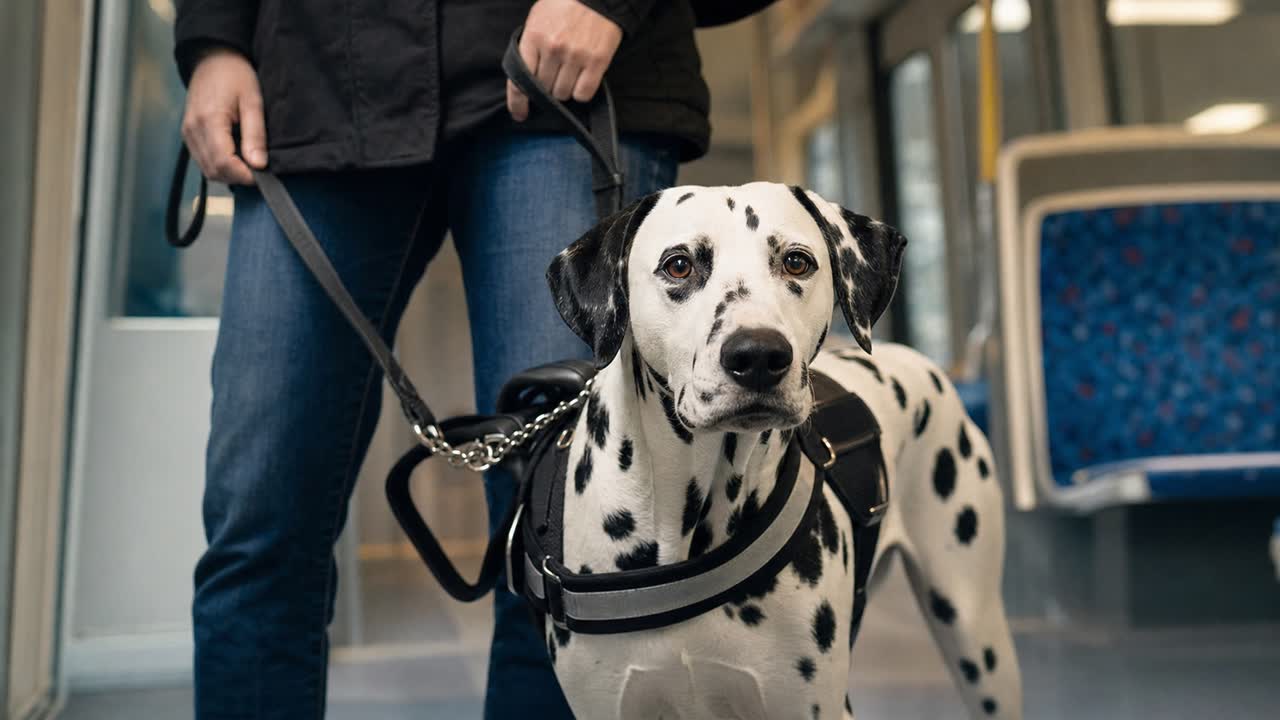
A high-quality service dog training harness can make daily practice safer, clearer, and less stressful for both handler and dog. The right harness helps with leash management, public-access manners, and consistent cueing, but it does not replace task training, behavior work, or access standards.
This article focuses on practical training use, not certification, registration, or decorative gear. If you are comparing equipment, the main questions are fit, comfort, control, durability, and whether the harness supports calm working behavior without restricting movement.
Gear is only one piece of readiness. A dog still needs reliable public manners, appropriate task work, and a handler who understands everyday access expectations, including the basics covered in a public access guide.
Quick Overview
- A training harness should improve communication and control without limiting shoulder movement or breathing.
- Good fit matters more than labels, patches, IDs, or appearance.
- Look for sturdy hardware, smooth edges, adjustable straps, and a secure leash attachment.
- A harness is optional gear, not legal proof of service dog status.
- Training sessions should build calm walking, settling, and focused responses in real-life environments.
- Keep simple records such as training notes, task lists, and behavior progress if you want organized documentation.
1) What a High-Quality Service Dog Training Harness Should Actually Do
The job of a harness is simple: help the team work safely and consistently. A high-quality service dog training harness should stay stable on the body, allow full movement, and give the handler a predictable connection point for leash work. It should not twist easily, rub behind the elbows, or ride up into the neck.
For most handlers, the best harness is one that supports structured practice in heel, position changes, doorways, settling under tables, and calm movement through distracting spaces. That is different from a law or paperwork topic. A harness does not determine whether a dog is a service animal under the ADA, and it is not a substitute for the reliable standards people often review through a service screening.
2) Prioritize Fit, Comfort, and Freedom of Movement
Start with fit before you think about color, branding, or accessories. A training harness should sit snugly enough to avoid shifting but not so tight that it pinches the chest or shoulders. Many training problems that look like distraction or resistance are really discomfort problems.
Check for these signs of a good fit:
- The dog can walk, turn, and lie down naturally.
- Straps do not dig into the armpits or throat.
- The chest panel stays centered during movement.
- You can adjust multiple points rather than relying on one fixed strap.
If your dog is still building reliability around crowds, carts, food smells, or noise, pairing gear choices with regular observation can help you spot patterns. That is where a structured look at overall readiness, including behavior screening, can be more useful than relying on gear alone.
3) Choose Materials and Hardware that Hold up in Daily Training
Service-dog training often involves repeated practice in parking lots, on sidewalks, in stores, offices, elevators, and waiting rooms. Cheap stitching, thin webbing, or flimsy clips tend to fail where consistency matters most. Durable materials matter because they reduce equipment surprises during real training sessions.
Look for reinforced stitching, secure buckles, and a leash ring that does not bend under normal use. Padding can help, but bulky padding is not always better. Too much bulk can trap heat or create pressure points, especially during longer outings. For many teams, a lighter harness with smart construction works better than a heavily built model that looks impressive but feels cumbersome.
Basic dog-health habits matter here too. Clean gear, inspect straps regularly, and replace damaged equipment before it becomes a safety issue. General handling and care guidance in the CDC’s dog-safety materials can help reinforce those habits.
4) Use the Harness to Support Training, not to Manage Every Problem
A harness can support leash skills, but it should not become the only reason the dog stays under control. If the dog pulls, startles, vocalizes, or struggles to settle, treat that as a training issue first. The goal is not to overpower the dog with equipment; it is to build calm, repeatable behavior that transfers across settings.
Keep sessions short and specific. Practice entering and exiting doors, stopping at curbs, ignoring attention from strangers, and settling quietly. Increase difficulty gradually. If you need a broader refresher on standards, the knowledge hub can help frame gear decisions inside the larger training and compliance picture.
Businesses usually focus on behavior. A calm dog in plain, functional gear is often easier to navigate with than a poorly trained dog wearing highly visible accessories.
5) Understand the Legal and Practical Limits of Harness Gear
In the United States, a harness is generally optional equipment. Federal law does not usually require a special vest, ID card, certificate, or branded harness for public access. What matters most is whether the dog is trained to do work or perform tasks for a person with a disability and whether the dog is under control.
That practical distinction matters because people sometimes expect gear to solve access friction. In reality, helpful documentation is situational. For housing, a landlord may sometimes request reliable disability-related support information when the disability or need is not obvious. For public access, the focus is usually on behavior and permitted questions rather than paperwork. Training logs, a task summary, and clear handling routines are often more useful day-to-day than collecting extra accessories.
6) Build a Simple Harness Routine that Supports Trust and Consistency
Once you choose a harness, use it consistently. Put it on calmly, check the fit each time, and pair it with predictable pre-work routines. That might include a brief focus cue, a short loose-leash warm-up, and a quick check that the dog can respond before entering a busy environment.
It also helps to document what you are seeing. Note whether the dog moves comfortably, stays engaged, and works the same way in different places. A short training log can be useful if you are discussing progress with a trainer, preparing for evaluation, or simply organizing your next steps. Consistency, not gear hype, is what tends to reduce friction over time.
For related guidance, see our knowledge hub and service screening.
For related guidance, see our behavior screening and public access guide.
FAQs
Do I need a high-quality service dog training harness for public access?
No. A harness is typically helpful equipment, not a legal requirement. Public access usually depends more on training, task work, and control than on any specific item of gear.
Is a harness better than a collar for service dog training?
Sometimes, yes. Many handlers prefer a harness for comfort and leash management during longer sessions, but the best option depends on the dog’s build, training stage, and the type of work being practiced.
Can a harness prove my dog is a service dog?
No. A harness may help the public recognize that a dog is working, but it does not, by itself, establish legal status. Calm behavior and proper training matter more in real situations.
Should a training harness have patches or identification?
That is optional. Some teams find clear labeling useful for reducing interruptions, while others prefer simple gear. Either way, labels do not replace training or legal standards.
What features matter most in a training harness?
Focus on fit, freedom of movement, durable hardware, smooth edges, secure adjustment points, and a stable leash attachment. Comfort and consistency are more important than appearance.
Can I use the same harness for training and everyday work?
Often yes, if it fits well and stays comfortable during longer outings. Some handlers keep one harness for daily work and another for practice, but that is a practical preference rather than a rule.
Sources
- ADA.gov: Service Animals
- ADA.gov: Service Animals FAQ
- National Association of the Deaf: Public Accommodations
- CDC: Dogs
- CDC: Pet Travel Safety
Takeaway
A high-quality service dog training harness is best viewed as practical equipment: it can improve comfort, handling, and training consistency, but it does not replace task training, public manners, or the legal standards that apply in everyday life.
- Choose fit and movement first, then durability and ease of use.
- Use the harness to support training goals, not as a substitute for behavior work.
- Keep simple records and realistic expectations so your gear choices reduce friction rather than creating it.