
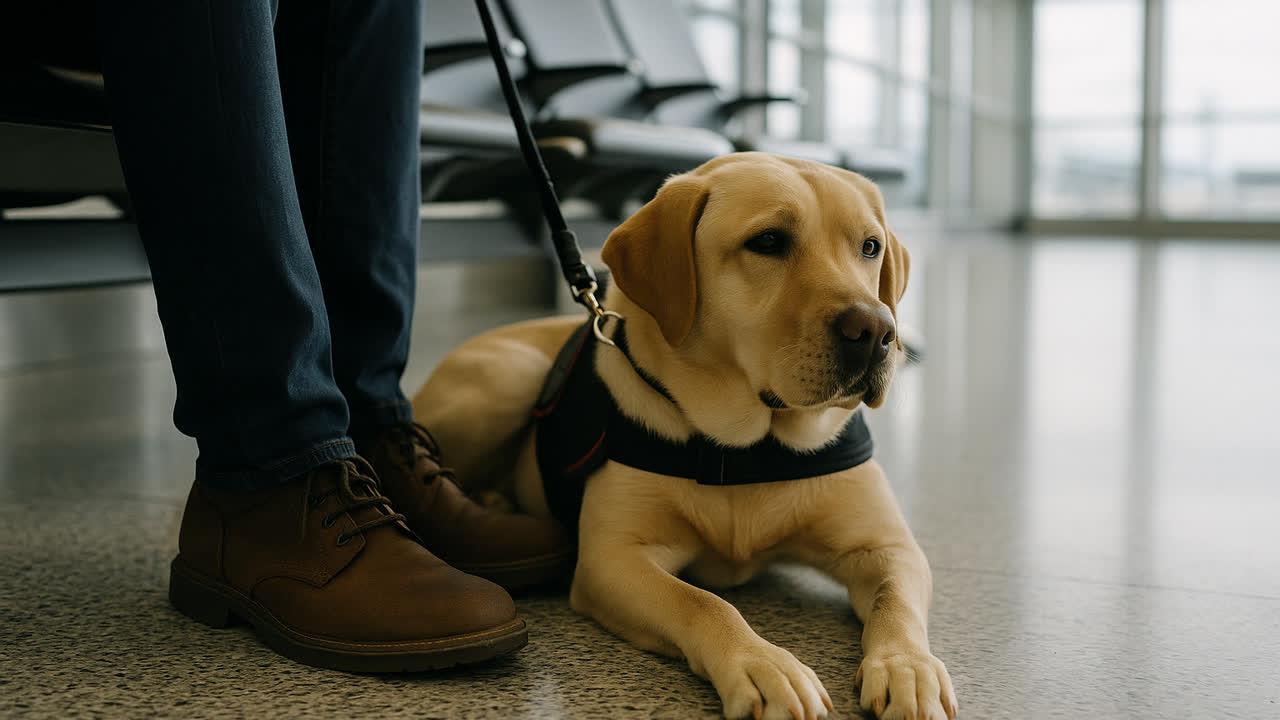
Understanding ESA dog requirements is essential for individuals seeking to benefit from an emotional support animal (ESA) dog. These requirements help ensure that the animal provides meaningful support while complying with relevant laws and policies. While ESAs do not have the same legal status as service animals, there are important considerations for documentation, behavior, and communication with housing providers, airlines, and workplaces.
This guide provides practical, compliance-focused information on ESA dog requirements, emphasizing responsible documentation and respectful interactions. It also clarifies common misconceptions and provides resources for further guidance.
Quick overview
- ESA dogs provide emotional or psychological support to individuals with a diagnosed mental or emotional disability.
- They are not considered service animals under the Americans with Disabilities Act (ADA), but they are protected under housing laws such as the Fair Housing Act (FHA).
- Responsible documentation from a qualified healthcare professional can help verify the need for an ESA dog.
- ESA dogs should be calm, house-trained, and manageable in housing and other pet-permitted community settings.
- Housing providers may request reasonable documentation, but cannot charge pet fees for ESAs.
- Airlines have specific rules for ESAs that differ from those for service animals, and recent changes have limited ESA access on flights.
- Understanding the distinctions between ESAs and service dogs is important for compliance and advocacy.
- Open communication with landlords, employers, and travel providers can reduce friction and misunderstandings.
1) What are the basic ESA dog requirements?
To qualify for an emotional support animal, the individual must have a diagnosed emotional or mental health condition recognized by a licensed mental health professional. The ESA dog’s role is to provide comfort and support that alleviates symptoms of that condition. Unlike service dogs, ESA dogs do not require specialized training to perform specific tasks.
However, the dog should be well-behaved, house-trained, and manageable in housing and other pet-permitted community settings. This helps ensure the animal’s presence is a positive experience and does not cause disruption or safety concerns.
2) Documentation and responsible records
Private certificates or ID cards do not establish ESA status. The core documentation is typically a letter from a licensed mental health professional stating that the individual needs an emotional support animal as part of their treatment.
Such documentation should be current, clearly identify the professional’s credentials, and describe the connection between the individual’s disability and the support provided by the ESA dog. Keeping training logs, behavior notes, or records of the animal’s role in therapy can also be helpful when discussing ESA needs with landlords or other decision-makers.
For more information on documentation and compliance, visit the Knowledge Center.
3) ESA dog requirements in housing
The Fair Housing Act (FHA) requires housing providers to make reasonable accommodations for individuals with ESAs. This means landlords must allow ESA dogs even in no-pet buildings and cannot charge pet fees for them.
However, housing providers may request reliable documentation supporting the disability-related need for the ESA when that need is not obvious. They should not demand broad medical history or intrusive details beyond what housing rules allow.
ESA dogs must not pose a direct threat or cause substantial property damage. Maintaining good communication and providing clear documentation can facilitate smoother housing arrangements. For additional housing guidance, see housing rules.
4) ESA dog requirements for air travel
Traveling with an ESA dog requires awareness of airline policies and federal regulations. The U.S. Department of Transportation updated its rules in 2021, no longer requiring airlines to recognize ESAs as service animals.
Many airlines now treat ESAs as pets, subject to pet policies, fees, and carrier requirements. Passengers should check each airline’s policies before booking and prepare any pet-travel paperwork or health forms the carrier requests.
Planning ahead and understanding these changes can reduce travel complications. For practical tips, consult the travel advice section.
5) Public access and behavior expectations
Unlike service dogs, ESA dogs do not have guaranteed public access rights under the ADA. This means they are generally not allowed in places like restaurants, stores, or other public venues unless the venue permits pets.
Owners should ensure their ESA dogs are well-trained, calm, and non-disruptive to avoid conflicts. Proper behavior helps maintain positive perceptions of ESA dogs and supports respectful coexistence in community spaces.
6) Workplace considerations for ESA dogs
Employers are not required to allow ESA dogs in the workplace under the ADA. However, some workplaces may offer accommodations under the Rehabilitation Act or other policies.
Employees seeking to bring an ESA dog to work should engage in an interactive process with their employer, providing appropriate documentation and discussing how the ESA supports their disability. Employers may request reasonable documentation, but cannot demand detailed medical information.
7) Understanding the difference: ESA vs PSA
It is important to distinguish between Emotional Support Animals (ESAs) and Psychiatric Service Animals (PSAs). PSAs are a type of service animal trained to perform specific tasks related to a psychiatric disability and have broader legal protections under the ADA.
For a detailed comparison of these roles and requirements, visit ESA vs PSA.
FAQs
What are the minimum ESA dog requirements to qualify as an emotional support animal?
The individual must have a diagnosed mental or emotional disability, and the dog should provide support that alleviates symptoms. Documentation from a licensed mental health professional is typically required, and the dog should be well-behaved and manageable.
Is a special certification or ID card required for ESA dogs?
No official certification or ID card establishes ESA status for ESA dogs. While some people keep private documents for organization or peace of mind, responsible documentation from a qualified professional is the key support for ESA requests.
Can landlords refuse an ESA dog?
Under the Fair Housing Act, landlords must provide reasonable accommodations for ESA dogs and cannot charge pet fees. They may request documentation, but cannot refuse an ESA dog without a valid reason, such as a direct threat or significant property damage.
Do ESA dogs have public access rights like service dogs?
No, ESA dogs do not have the same public access rights as service dogs under the ADA. They are generally not allowed in public places where pets are prohibited.
What documentation is acceptable to prove the need for an ESA dog?
A letter from a licensed mental health professional stating the individual’s disability and how the ESA dog provides support is the standard documentation. It should be current and include the professional’s credentials.
Are ESA dogs allowed on airplanes?
Recent federal regulations no longer require airlines to recognize ESAs as service animals. Many airlines treat ESAs as pets, subject to their pet policies and fees. Passengers should check airline-specific rules before traveling.
Can I bring my ESA dog to work?
ESA dogs do not have guaranteed workplace access. Employees should discuss accommodations with their employer and provide appropriate documentation as part of an interactive process.
How can I prepare my ESA dog for public or housing situations?
Ensuring your dog is well-trained, calm, and non-disruptive helps reduce conflicts. Keeping records of training and behavior can support your case when discussing ESA needs with landlords or others.
Where can I learn more about ESA regulations and rights?
Authoritative sources such as the U.S. Department of Housing and Urban Development (HUD), the Department of Transportation (DOT), and the ADA provide detailed information. You can also explore the regulations page for guidance.
Sources
- HUD – Assistance Animals
- ADA – Service Animals FAQ
- U.S. Department of Transportation – Service Animals
- Centers for Disease Control and Prevention – Mental Health
Takeaway
Meeting ESA dog requirements involves understanding legal protections, responsible documentation, and maintaining good animal behavior. This approach helps individuals access the support they need while minimizing friction in housing, travel planning, and everyday conversations with decision-makers.
- Obtain documentation from a licensed mental health professional to support ESA status.
- Ensure your ESA dog is well-trained and manageable in various environments.
- Communicate clearly with landlords, employers, and travel providers to facilitate accommodations.