
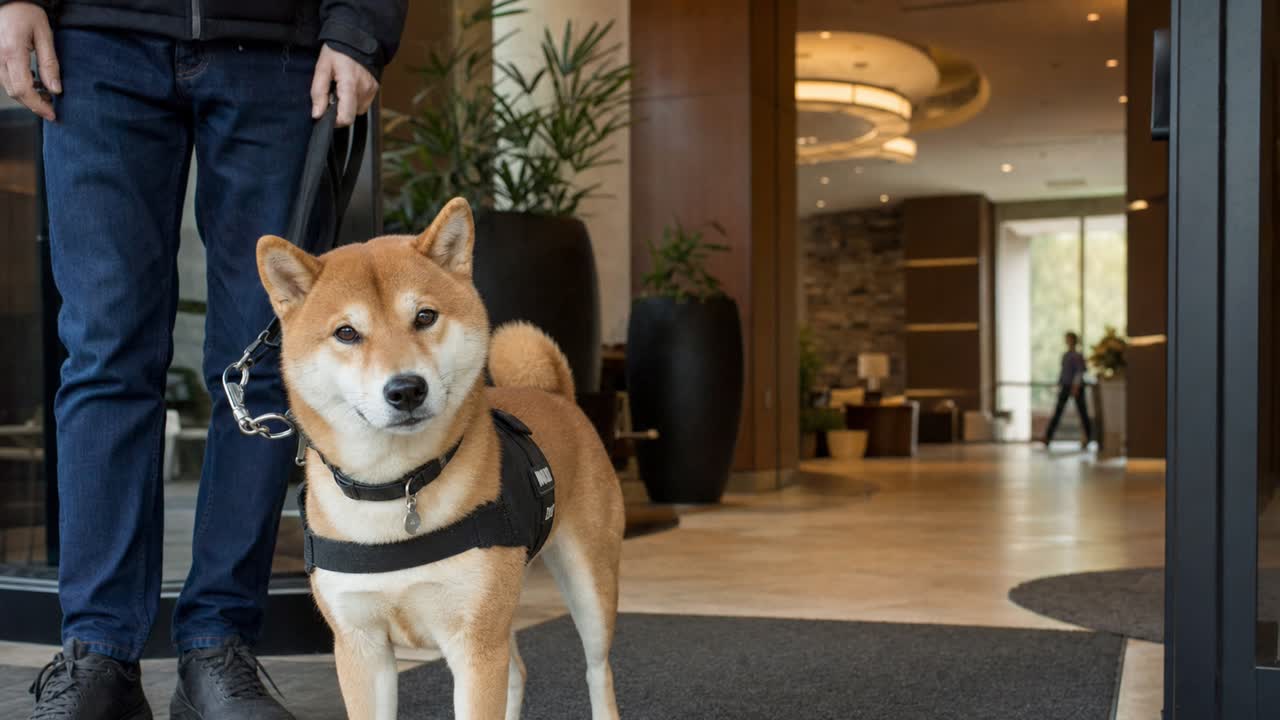
Classroom seating plans for service dog students work best when they solve practical access issues before the first day of class. The goal is not to separate the student or make the dog the focus of the room. The goal is to create a setup where the student can learn, the dog can stay settled, and everyone can move safely.
In most schools, classroom seating plans for service dog students should be built around floor space, traffic flow, visibility, and routine transitions. A strong plan gives the dog room to tuck beside or under the desk without blocking classmates or forcing the student into an awkward position.
This topic is narrower than general school accommodations. It is about classroom layout and reducing friction in shared space. For a broader legal context on service animals in public settings, the site’s regulations page is a useful starting point.
Quick Overview
- Choose a seat with enough floor space for the dog to lie down without blocking aisles or exits.
- End-of-row, perimeter, or wall-adjacent seats often work better than tight center clusters.
- The best seat depends on both the student’s learning needs and the dog’s settled working position.
- Teachers should think about backpacks, chair movement, and transition traffic before finalizing the plan.
- A short trial period can catch layout problems before they become daily disruptions.
- Clear class expectations help protect the team’s working space.
1) What does a Seating Plan Need to Accomplish
A good classroom seating plan has to protect three things at once: the student’s access, the dog’s safe resting position, and the room’s normal function. The dog should be able to stay tucked in a predictable spot while the student still has enough room to write, stand up, and leave the desk comfortably.
Size matters, but so does layout. A larger dog may need open space along the edge of a row, while a smaller dog may fit under a desk but still need a clear path in and out. The decision should be based on how the team actually fits in the room, not on habit.
2) Where the Student Should Sit in the Room
The best seat is often one with open space on at least one side. End seats, perimeter desks, and spots near a wall can reduce foot traffic and make it easier for the dog to stay out of the main walking path.
Front-row seating can help when the student needs a direct line of sight to the teacher or easier communication, but it is not always the best option. In some classrooms, a side row or second-row perimeter seat is calmer and more practical.
If the team is new to classroom life, a simple service check can help frame whether the dog is ready for long settle times, close quarters, and repeated distractions from nearby movement.
3) How to Handle Aisles, Exits, and Shared Movement
Aisles are where many seating plans break down. A dog should not be placed where classmates need to step over a tail, squeeze around a body, or drag bags through the team’s space. Even a calm dog can be stressed by repeated bumps.
The dog also should not narrow a main exit path or interfere with emergency movement. Classroom layouts should preserve normal circulation for everyone, especially in rooms where students rotate between stations or move often for labs and group work. That practical idea overlaps with the site’s public access guide, even though a classroom has its own routines.
Sometimes the fix is simple: shift one desk, widen one row, or move backpack storage off the floor.
4) How Teachers can Reduce Distraction without Isolating the Student
The right seating plan lowers curiosity traffic around the dog without making the student feel set apart. A seat in a high-social zone can invite petting, staring, and side comments. But pushing the student into a far corner can make participation harder.
The better approach is to choose a spot that feels ordinary but workable. Teachers can then set a few clear expectations early: no petting, no calling the dog, no offering food, and no crowding the team during transitions.
Classroom seating is about layout and daily management, not travel planning, though families handling multiple access settings may also look at resources such as flight rules for a separate issue.
5) Classroom Seating Plans for Service Dog Students in Labs, Flexible Rooms, and Specials
Some rooms are harder than others. Science labs, art rooms, music spaces, and flexible-seating classrooms often have stools, cords, rolling chairs, or furniture arranged differently. In these rooms, a plan that works in homeroom may not work at all.
For labs and specials, the team may need a designated safe spot rather than a standard student desk. The key question remains: can the dog settle safely without blocking movement or putting the student in a poor working position?
Assemblies, testing rooms, and substitute-teacher days also deserve advance thought. A short note about where the team usually sits and what setup helps the dog stay settled can prevent confusion.
6) What to Discuss before Finalizing the Plan
The best seating plans are usually collaborative. The student, family when appropriate, classroom teacher, and relevant school staff should talk through the dog’s size, the student’s academic needs, and any predictable trouble spots. The discussion should stay practical: where does the dog rest, what happens during transitions, and what setup lets the student function normally?
A trial period is often the smartest option. After a few days, the team may learn that a seat looked fine on paper but creates backpack congestion, chair bumps, or poor sightlines. Small changes early are easier than letting irritation build.
The best plan is usually the one that gives the team enough space, protects shared movement, and keeps the student integrated into class rather than spotlighted by the layout.
For related guidance, see our regulations and service check.
For related guidance, see our public access guide and flight rules.
FAQs
Does a student with a service dog always need front-row seating?
No. Front-row seating can help in some classrooms, but it is not automatically the best setup. End-of-row or perimeter seating often provides the dog with more floor space and reduces traffic around the team.
Can a school move other desks to make room?
Often, yes. Small layout changes, such as widening a row, shifting a table, or changing where bags are stored, can make the room safer and more workable.
Should the dog sit in the aisle for easier access?
Usually not. Aisles should stay clear for normal movement and emergency use. The better plan is a seat where the dog can tuck beside or under the student’s workspace.
What if classmates keep trying to pet or distract the dog?
That is usually a classroom management issue, not a seating failure by itself. Clear expectations from the teacher and a seat away from the busiest social bottlenecks usually reduce the problem.
Do classroom seating plans for service dog students need to be identical in every room?
No. Different rooms have different layouts, traffic patterns, and equipment. A practical plan may need to change between homeroom, labs, specials, assemblies, and testing spaces.
What if the dog is calm, but the room still feels too cramped?
The layout may still need adjustment. A calm dog can work well and still be placed in a spot that creates unnecessary foot traffic or chair contact.
Sources
- ADA.gov: Service Animals
- ADA.gov: Service Animals FAQ
- National Association of the Deaf: Public Accommodations
- CDC: Dogs
- CDC: Pet Travel Safety
- HUD: Assistance Animal Notice Fact Sheet (PDF)
Takeaway
The best classroom seating plans for service dog students are practical, not symbolic. They give the team enough room to work calmly, protect shared movement in the classroom, and keep the student included in normal learning routines.
- Choose seating based on floor space, traffic flow, and the student’s learning needs.
- Use trial adjustments when backpacks, aisles, or room changes create friction.
- Set simple classroom expectations so the dog can stay settled and unobtrusive.