
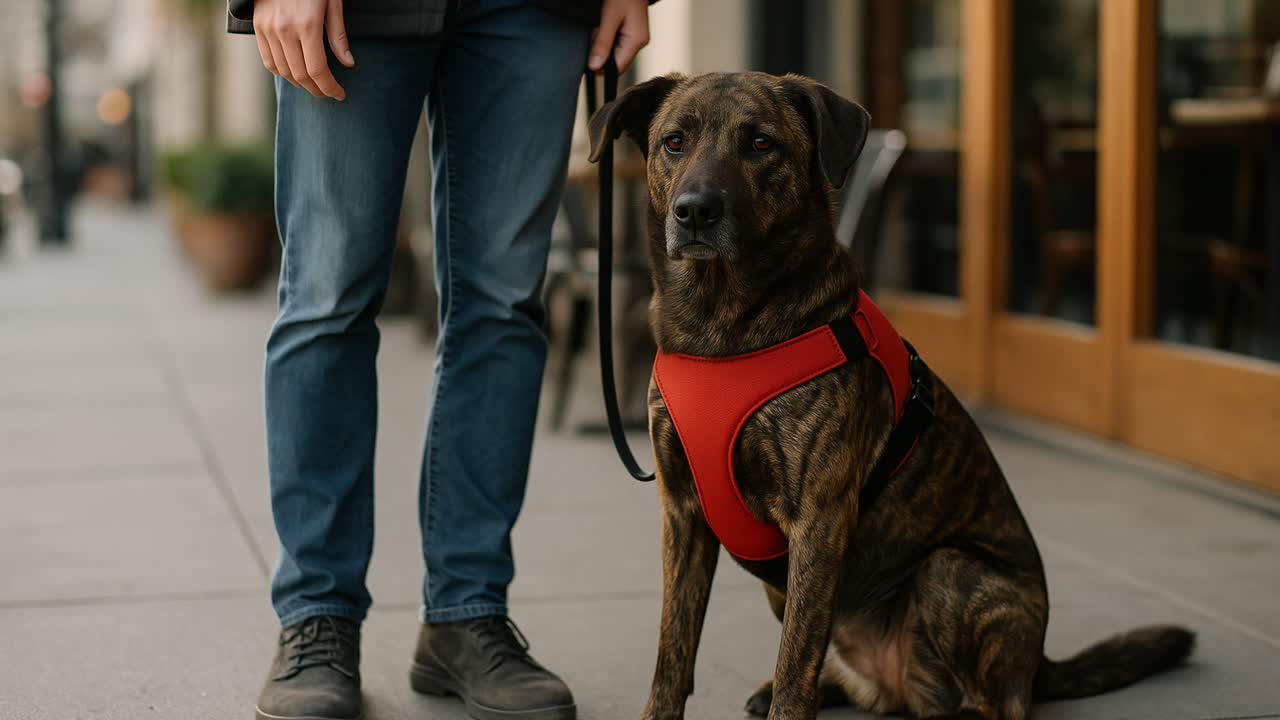
Understanding “ADA service dogs” can feel overwhelming. This guide explains what the term generally refers to, what people and businesses commonly expect, and practical steps handlers can take to reduce friction when bringing a service dog into public spaces, travel, or lodging. It focuses on clarity and real-world tips rather than legalese. For related guides, browse the Knowledge hub.
Quick Overview
“ADA service dog” is a commonly used phrase to refer to dogs that assist people with disabilities. In everyday use, it signals that the dog performs tasks or provides support directly related to a person’s disability, helping with independence, mobility, medical alerts, psychiatric support, or other disability-related functions. Terminology and rules vary by jurisdiction and context; this article centers on common U.S. practice and practical guidance for handlers and service providers alike.
1. What People Usually Mean by ADA Service Dog
When someone says “ADA Service Dog,” they typically mean a dog trained to perform specific tasks for a person with a disability. Examples include guiding a person with low vision, retrieving items for someone with mobility impairment, alerting to seizures, or interrupting self-harm behaviors for someone with psychiatric disabilities. The emphasis is on task-based support rather than simply providing comfort.
Note: Different terms exist—service animal, assistance dog, emotional support animal—and they can imply different rules depending on the setting. When clarity matters, ask a brief, respectful question (see section 4).
2. Eligibility and Documentation to Carry with You
Eligibility for a service dog depends on whether the handler has a disability and whether the dog’s work is linked to that disability. In most everyday public-access situations, staff are typically looking for clear, task-focused answers and a well-behaved dog, not a particular national certificate. Still, carrying practical documentation can reduce friction.
- Recommended items: A short letter from a healthcare provider or treating professional explaining that the handler has a disability and that the dog’s assistance is related to that disability (when disclosure is appropriate), a concise training summary, and a contact card for the handler.
- Recognition gear that helps: A well-fitting harness, a clear ID patch, and a tidy training résumé or wallet card. These items don’t replace rights; they just make interactions smoother.
For additional background on what qualifies as a disability and how to approach training, see the disability qualifications and training guidance resources.
3. Training and Behavior Expectations
Handlers should prioritize reliable task performance and consistent public manners. Key expectations you’ll commonly encounter:
- Task competence: The dog performs one or more specific tasks that mitigate or manage the handler’s disability.
- Public behavior: The dog remains under control, non-disruptive, housetrained, and appropriately leashed or harnessed unless the handler’s disability requires otherwise.
- Safety: The dog does not pose a health or safety threat to others.
Investing in professional task training or a reputable training program helps. A short training summary (tasks taught, date completed, trainer contact) is a practical credibility item that helps third parties verify readiness without requiring formal registration.
4. How to Handle Public Interactions and Questions
When a handler and service dog encounter businesses, transit staff, or other members of the public, clear communication reduces friction. If a staff member is unsure, they may ask only two things in many common U.S. contexts: whether the dog is a service animal and what task the dog performs. Keep answers brief and focused.
Suggested approach for handlers:
- Carry a short, polite script ready (e.g., “Yes, this is a service dog. He alerts me to low blood sugar”).
- Offer documentation if it helps de-escalate a situation, but avoid oversharing sensitive medical details.
- If a confrontation escalates, ask to speak to a manager and remain calm; consider documenting the interaction afterward.
5. Travel and Lodging: Practical Steps to Reduce Friction
Travel and hotels are common stress points. While accommodation policies differ, being prepared smooths the process.
- Before travel, call ahead to notify staff that you will be arriving with a service dog and confirm any reasonable arrival procedures.
- Bring concise documentation: a training outline, handler contact, and any airline- or hotel-specific forms you’ve been asked to supply.
- Pack a small “dog kit” (extra leash, cleanup supplies, calming aids) to handle routines without delay.
For more targeted lodging guidance, see the short hotel guidance in the service animals and hotels resource.
6. When a Business Says No — What to Do
If a business refuses access or applies inconsistent rules, stay calm and gather facts. Steps that often help:
- Ask the manager for the reason and whether they can make a reasonable accommodation.
- Offer to provide concise documentation or explain the dog’s task plainly.
- If the situation can’t be resolved on-site, note names and times; consider following up with the business in writing.
When rights or policies are unclear, consulting advocacy organizations or local disability-rights resources can clarify next steps, though this article emphasizes practical tips that usually prevent disputes in the first place.
FAQs
Q: Is a service dog required to wear a vest or tag?
A: There isn’t one single uniform ID that everyone asks for, but a clear harness or ID patch is a practical credibility item that often speeds interactions.
Q: Do service dogs need formal certification?
A: Many reputable training programs provide certificates or training summaries. In real-world interactions, what tends to matter most is solid training, good public manners, and a clear explanation of the dog’s task. Having concise proof of training and a handler letter is strongly recommended to reduce friction.
Q: Can I ask the handler about their disability?
A: No. If clarification is needed, limit questions to whether the dog is a service animal and what task it performs. Respect privacy and avoid probing for medical details.
Q: What if my dog is still learning?
A: If your dog is in training, carry documentation about the training program and be prepared to manage behavior expectations. Some venues will treat trainee dogs differently—clear communication helps.
Sources
- U.S. Department of Justice — ADA guidance (for general context)
- Air carrier and Department of Transportation guidance (air travel context)
- Global Animal Certification knowledge hub
- Reputable training organizations and disability advocacy groups
Takeaway
“ADA Service Dog” describes dogs that perform disability-related tasks, but practical success depends on preparation and communication. Carry a short handler letter or training summary, use clear identification gear, keep the dog well-trained in public manners, and plan ahead when traveling or booking lodging. These low-effort credibility steps don’t change rights, but they dramatically reduce friction and make everyday access easier for everyone.