
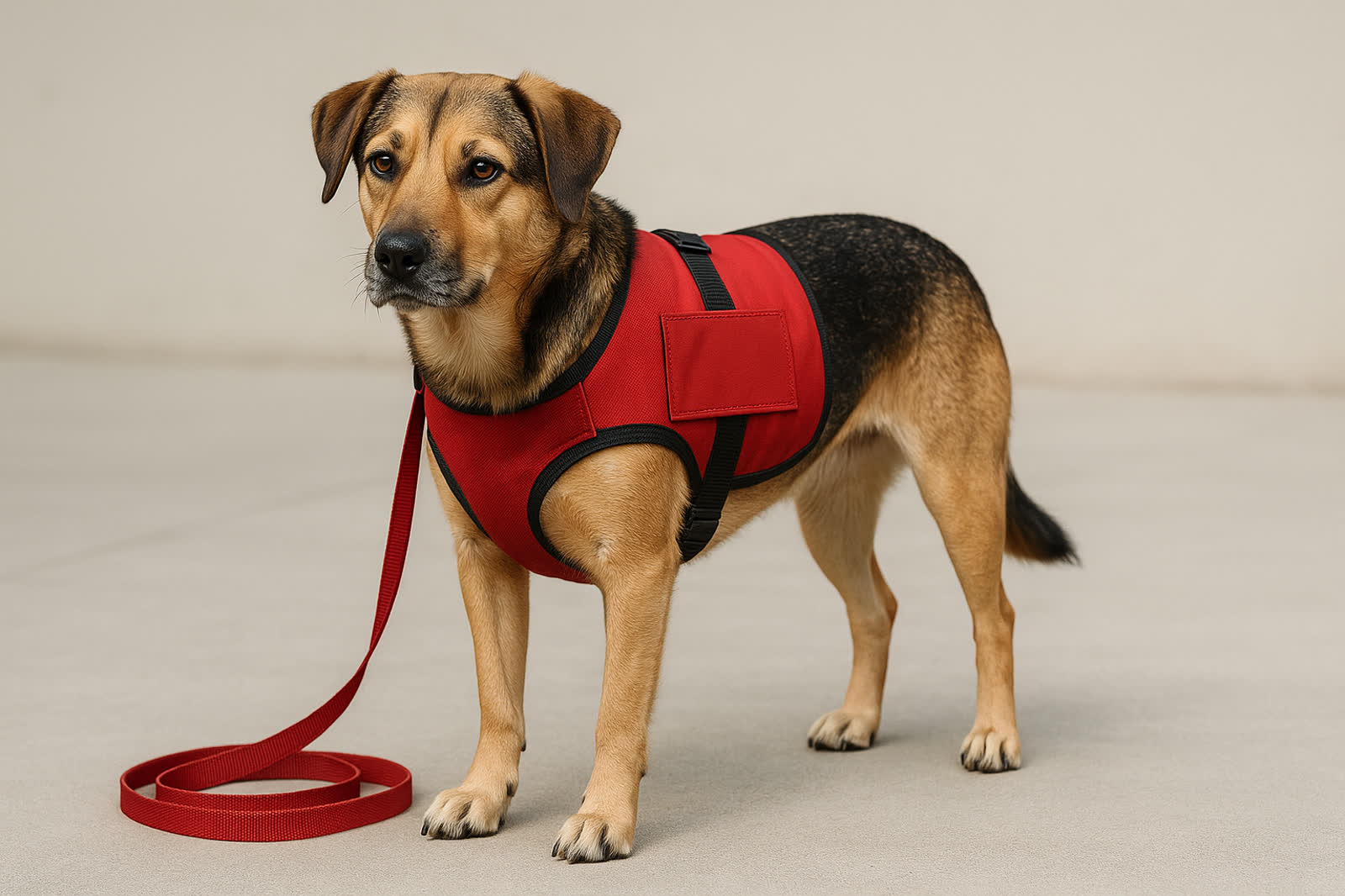
If you’re shopping for an “ADA-compliant dog training vest,” it helps to know what that phrase really means. Under U.S. federal law, there isn’t an official ADA-approved vest standard, and access doesn’t hinge on buying a specific product. What matters in real life is that your dog is task-trained (for service dog situations), under control in public, and that you present yourself in a way that reduces friction at doors, check-in desks, and busy venues.
Quick Overview
- There is no official “ADA compliant vest” certification standard—focus on practical features that support control and clear recognition.
- Choose durable, readable gear: high-visibility, secure buckles, reflective trim, and a comfortable fit.
- Recognition gear is strongly recommended because it reduces questions and delays, even when not demanded by law.
- Avoid patches or designs that look like government credentials or make “official” claims.
- Pair gear with credible proof items (training logs, trainer notes when applicable) to make interactions smoother.
What People Mean by “ADA Compliant Vest” (and what the ADA actually says)
Most people use “ADA compliant vest” as shorthand for “a professional-looking service dog vest that won’t cause problems.” The ADA doesn’t define a vest requirement or issue official ID. In many public-access contexts, staff are limited to a small set of questions focused on whether the dog is required because of a disability and what trained work/tasks it performs.
If you want a practical explanation of what qualifies as a service animal in the U.S., start with service animal.
Best Vest Features that Actually Help in Public
- Fit and comfort: Adjustable straps, breathable material, no rubbing at armpits/chest.
- Stability: Vest shouldn’t twist when the dog turns or sits.
- Durability: Strong stitching, reliable buckles/Velcro, and washable fabric.
- Visibility: Clear “Service Dog” style recognition (without “official” claims) and reflective accents for night walks.
- Handle options: Useful for steadying the vest, but don’t use handles to lift the dog, and avoid implying the handle is a “license.”
What to Avoid (so you don’t create legal/social problems)
- “Official registry” language: Avoid patches that suggest government registration or guaranteed access.
- Overstated claims: Anything that sounds like an authority badge can trigger pushback.
- Distracting designs: Neon graphics, excessive text, or aggressive “do not touch” walls of text can escalate situations.
- Poor-quality Velcro: If patches fall off, it looks sloppy and invites questions.
Step-by-Step: How to Choose the Right Vest (7 steps)
- Decide on the job. Public access recognition? Training in progress? Travel? Your choice changes durability and visibility needs.
- Measure your dog. Chest girth and back length matter more than weight.
- Pick a clean, professional look. Simple is more credible and gets fewer comments.
- Choose patches thoughtfully. Clear, recognizable text is strongly recommended; avoid “certified/registered”- style wording.
- Test movement. Put on the vest, take a short walk, do a sit-down, and take a car ride.
- Check control + etiquette. Gear doesn’t replace behavior—proof your dog for lobbies, doors, and crowded aisles.
- Keep a small proof packet. Training notes, logs, and vet records help reduce delays when the staff is uncertain.
Vests vs. Training: What Makes Access Smoother?
Documentation and Recognition Gear (practical, credibility-first)
Even when not demanded, it’s strongly recommended to maintain practical credibility items: training logs, a trainer’s summary (when applicable), task list notes, and clean recognition gear. This combination reduces friction while avoiding misleading “official” claims. If you need a reality check on what’s legit vs. what’s marketing, see credible proof.
FAQs
Do I need a vest for ADA access?
In many U.S. situations, access does not hinge on wearing a vest. In practice, clear recognition gear is strongly recommended because it reduces misunderstandings and delays.
Is there an ADA-approved vest?
No official ADA “approved vest” list exists. Choose gear based on fit, durability, visibility, and whether it helps your dog work calmly in public.
Should my vest say “Service Dog” or “In Training”?
Use wording that matches your situation and local rules. If you’re training, keep it accurate and simple.
Can a business demand papers if I have a vest?
Rules vary by jurisdiction, but in many U.S. public accommodations, the questions are limited and don’t revolve around paperwork. A vest can help, but your calm, short explanation is usually what resolves it.
What else should I carry with my vest?
Basic travel-ready records (vaccinations/vet contact) plus your own training notes. For travel-day preparation, see travel day.
Travel, hotels, and “pet-friendly” confusion
Many buyers search for “ADA-compliant” gear because they’ve been challenged at hotels, rideshares, or busy venues. Gear can help the interaction go faster, but the real key is consistency: calm movement through lobbies, elevators, and narrow hallways, and clear handler communication. If you travel often, it’s strongly recommended to keep a small travel packet (vet contact, vaccinations, and your own training notes) alongside your gear.
Budget guide: what to pay (and what’s overpriced)
- Entry-level: Basic durable vest with clean patches; good for training and low-friction errands.
- Mid-range: Better materials, reflective trim, better stitching, and a more stable fit.
- Premium: Specialized harness systems and high-durability materials—worth it if you travel frequently or your dog works long days.
Pay for fit and durability, not for “official” wording. Overly official-looking products often create more trouble than they solve.
Sources
Takeaway
The best “ADA compliant vest” is the one that helps you look professional, keeps your dog comfortable, and reduces friction—without implying official credentials.
- Prioritize fit, durability, and simple recognition.
- Avoid official-sounding claims and cluttered patches.
- Pair gear with strong public-access behavior and credible training records.