
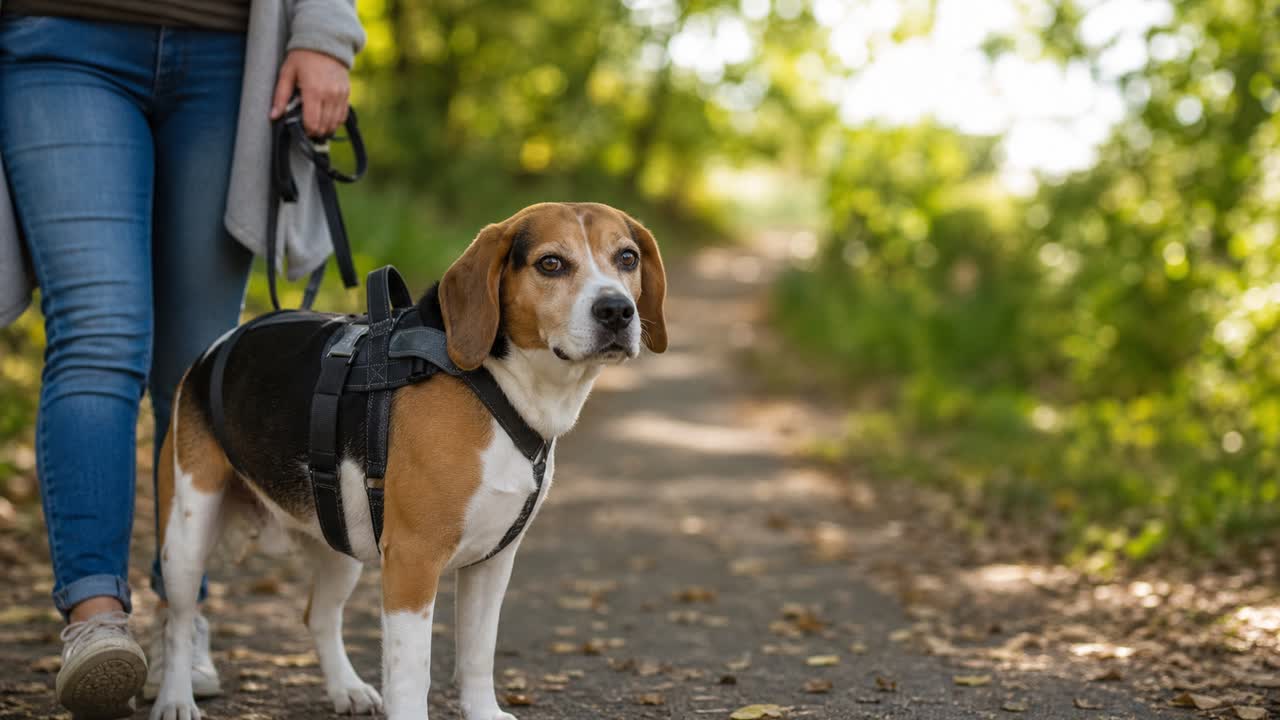
Choosing service dog rain gear for urban walks is less about appearance and more about safety, comfort, and keeping your dog ready to work in messy city conditions. Wet sidewalks, splashes from traffic, elevator lobbies, metal grates, and long curb waits can all change how a dog moves and focuses.
This article is about practical gear choices for rainy city outings, not about travel rules or buying paperwork. The goal is to reduce friction in daily public access by helping your dog stay dry, visible, and comfortable enough to keep working calmly.
In most situations, rain gear is optional rather than legally required. What matters most is whether the dog remains under control, can perform needed tasks, and can move safely through public spaces. Optional gear can still be useful when it supports that real-world function.
Quick Overview
- Pick lightweight rain gear that does not restrict gait, turning, or task work.
- Prioritize visibility, fast drying, and easy removal for buses, stores, and office buildings.
- Boots can help on slick pavement, salted sidewalks, and oily crosswalk paint, but only if the dog is trained to wear them.
- A short, secure coat is usually better than bulky coverage for crowded city routes.
1) What Service Dog Rain Gear for Urban Walks Should Actually Do
Good rain gear should help your dog stay functional, not just dry. In an urban setting, that usually means preserving traction, preventing soaking that leads to distraction, and improving visibility in low light. A coat that rides up, flaps in the wind, or covers task-related contact points can create more problems than it solves.
Think in terms of work conditions. If your dog heels through crowded sidewalks, waits at intersections, or performs grounding, retrieval, or mobility-related tasks, the gear has to support those movements. A simple setup often works best: a fitted rain shell, reflective trim, and paw protection when the route calls for it. If you are unsure whether your dog’s everyday setup is still practical in public, a service check can help you prioritize function over appearance.
2) Choose Rain Gear that Keeps Movement Natural
The first fitting rule is easy: watch the dog walk, turn, sit, and settle. If the shoulders bind, the back hem catches the tail, or the chest panel shifts under the harness, the item is probably wrong for routine city use. Service dogs need to move naturally enough to stay responsive and polite in tight public spaces.
Look for water-resistant fabric that is light, quiet, and close-fitting. Loud crinkly material can make some dogs tense, especially on echoing sidewalks or inside transit stations. Avoid oversized hoods, dangling straps, and bulky layers that trap heat. Many handlers do better with a rain shell that ends before the hind legs and leaves harness access clear.
Behavior matters more than the label on the gear. A dog that is fussing with a coat, pawing at boots, or slowing unpredictably may need more gradual exposure before using that setup in public. The same practical standard behind a behavior check applies here: the gear should support calm, steady work rather than become the main event.
3) Think about Traction, Paws, and Street Hazards
Rainy urban routes are full of surfaces that can challenge even a confident dog. Painted crosswalks, smooth-tile building entrances, metal utility covers, and pooled water near curbs all increase the risk of slips. Paw care is not just a comfort issue; it affects confidence, pace, and safety.
Boots may help if your route regularly includes slick surfaces or chemical residue from street cleaning, but they require training. Do not save boots for the first major storm and expect smooth public access. Practice indoors, then on short dry walks, then in light rain. If boots are not realistic for your dog, paw drying and route planning may be more effective than forcing the issue.
This is also where your own records come in handy. A simple note on what weather conditions affect performance, what gear worked, and what caused hesitation can be more useful than buying more accessories. For broader expectations about steady conduct in public places, the public access guide is a useful reference point.
4) Make Visibility and Cleanup Part of the Plan
Urban rain is often as much a visibility problem as a wetness problem. Early mornings, reflective glass, headlights, and umbrellas can make teams harder to notice. Small reflective details on a coat or leash setup can help people spot the dog sooner and give your team more room.
Cleanup matters once you get where you are going. A soaked dog entering a clinic, office, or grocery store may shake off water or leave slippery floors if you are not prepared. Keeping a compact towel and paw wipes in your bag makes entrances smoother and helps reduce tension with staff or property managers. Practical preparation like this often matters more than specialized branding or accessories.
If you want a broader sense of adjacent topics like public etiquette, access expectations, or gear-related practical guides, the Knowledge Center can help without changing the core point here: rain gear should reduce friction, not create it.
5) Keep Legal Context Simple and Accurate
Under the ADA, the key public-access issues are whether the dog is a service animal as defined by the law, whether it is under control, and whether it can behave appropriately in the setting. A raincoat, boots, vest, ID card, or certificate generally does not determine access. Optional gear can still be helpful when it keeps the dog comfortable and makes city outings easier to manage.
For housing or workplace conversations, the practical approach is similar: focus on function, reasonable communication, and relevant documentation when it is actually appropriate to the setting. Do not assume rain gear itself changes your legal position. It is better understood as part of your handling routine, like towels, route choices, or seasonal paw care.
6) Build a Realistic Rainy-Day Routine
The best setup is one your dog can wear calmly, and you can manage quickly. Practice putting the gear on at home, then near building entrances, then on a short neighborhood route. Time how long it takes to dress, undress, dry paws, and store wet items. If the routine is clumsy, it will feel worse when you are juggling keys, elevators, and crowded sidewalks.
A solid rainy-day kit might include a fitted shell, optional boots, a microfiber towel, spare waste bags, wipes, and a dry bag for wet gear. Keep the route predictable when possible. Familiar corners and indoor pause points can make bad-weather outings easier for both handler and dog.
FAQs
Does a service dog need rain gear for urban walks?
Not always. Many dogs work fine without it, but rain gear can help when weather, visibility, or slick pavement makes city travel harder.
Can boots interfere with service dog tasks?
Yes, if the dog is not trained in them or if the fit is poor. Boots should support traction and confidence, not change gait or distract the dog from work.
Is service dog rain gear for urban walks legally required?
No. In most public-access situations, the law focuses on the dog’s training, control, and behavior, not on whether the dog wears rain gear.
Should a raincoat go over or under a harness?
That depends on the design, but the safest choice is usually the one that keeps harness access clear and does not interfere with handling or task performance.
What matters most on rainy sidewalks?
Traction, visibility, and staying calm through noise, puddles, crowds, and slippery entrances usually matter more than full-body coverage.
Is reflective trim worth it?
Usually, yes. It can help drivers, cyclists, and pedestrians notice your team sooner in low-light rain conditions.
Sources
Takeaway
Service dog rain gear for urban walks is best treated as a practical tool rather than a legal requirement. If it helps your dog stay safe, visible, and ready to work in wet city conditions, it can be worth using.
- Choose gear that preserves natural movement and task performance.
- Train with boots or coats before relying on them in crowded public settings.
- Pair optional gear with good handling, cleanup supplies, and realistic route planning.