
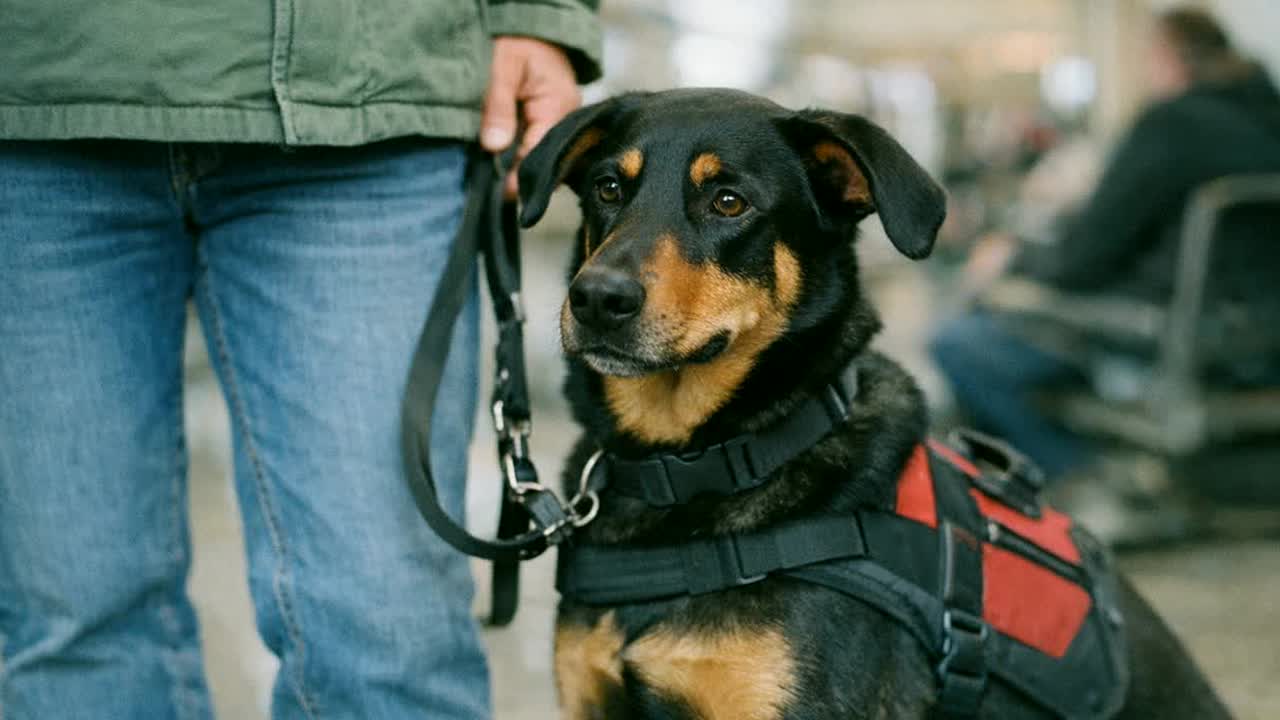
Training a dog as a service dog is a dedicated process that requires careful planning, patience, and understanding of legal and practical considerations. Unlike pets or other companion-animal roles, service dogs perform specific functions to assist individuals with disabilities, enabling greater independence and safety. This guide provides a clear overview of how to responsibly train a dog as a service dog, emphasizing compliance with relevant laws and effective communication with housing providers, employers, and public venues.
Whether you are starting with a puppy or an adult dog, knowing the steps involved in training and documenting your service dog’s skills can reduce friction in public access and housing situations. It is important to focus on the dog’s behavior, task performance, and your own interactions with decision-makers rather than relying solely on certificates or registrations.
Quick Overview
- Service dogs must be individually coached to perform tasks related to a person’s disability.
- Training involves socialization, obedience, and mastery of specific tasks.
- Legal protections under the ADA do not require certification but do require appropriate behavior and task performance.
- Responsible documentation, such as a letter from a qualified clinician, can support housing and workplace accommodations.
- Public access requires dogs to be well-behaved and under control at all times.
- Travel and housing laws provide protections but also allow reasonable inquiries about the dog’s function.
- Ongoing training and behavior checks ensure the dog remains effective and safe in public.
1) Understanding the Responsibility of a Service Dog
A service dog is coached to perform specific functions that directly assist a person with a disability. These tasks can include guiding individuals with vision impairments, alerting to sounds for those who are deaf, pulling a wheelchair, or detecting medical conditions such as seizures or low blood sugar. It is important to distinguish service dogs from emotional support animals and other non-task-trained roles, as service dogs have a defined legal status under the Americans with Disabilities Act (ADA).
Training your dog as a service dog means focusing on task-specific skills that mitigate your disability. General obedience and good manners are foundational but not sufficient on their own. The dog must be able to behave appropriately in public and perform its tasks reliably.
2) Assessing Your Dog’s Suitability
Not every dog is suited for service work. Ideal candidates are calm, attentive, and able to focus in distracting environments. Age, breed, temperament, and health all play roles in suitability. Exposure to different environments and early socialization can help your dog stay steady in real-world access situations.
Before starting formal task training, conduct a behavior check to evaluate your dog’s behavior and identify strengths and areas for improvement. This step helps ensure your dog can meet the demands of public access and service work.
3) Training Foundational Obedience and Public Behavior
Basic obedience mentorship is essential and includes commands such as sit, stay, come, heel, and down. Your dog must also be comfortable with distractions and remain calm in crowded or noisy places. Public access laws require service dogs to be well-controlled and not disruptive.
Training should include exposure to common public environments such as stores, public transit, and workplaces. Practicing leash manners, ignoring distractions, and maintaining focus on the handler are key goals. Resources on the public access guide provide helpful tips for this phase.
4) Teaching Specific Service Tasks
Once foundational skills are solid, begin training the tasks your dog will perform. These tasks must be closely connected to your disability. Examples include:
- Retrieving items or medication
- Alerting to sounds or medical events
- Providing balance support or mobility assistance
- Interrupting harmful behaviors
Task training often requires professional guidance or specialized resources to ensure effectiveness. Keep detailed training logs to track progress and, if needed, to demonstrate the dog’s capabilities in housing or workplace discussions.
5) Documentation and Communicating with Decision-Makers
While the ADA does not require official service dog paperwork for public access, responsible documentation can ease interactions with landlords, employers, and public venues. A letter from a qualified healthcare provider explaining your disability and the dog’s role can support accommodation requests.
Housing providers may request documentation under the Fair Housing Act, but cannot demand detailed medical records. Clear communication about your dog’s training and function, along with respectful cooperation, often reduces friction. For more on this, see service screening.
6) Preparing for Travel and Public Access
Traveling with a service dog requires planning to ensure compliance with airline policies and public health regulations. The dog should be comfortable in confined spaces and able to remain calm during transit. The Centers for Disease Control and Prevention (CDC) offers guidance on pet travel safety that can be adapted for service dogs.
In public, service dogs must be under control and not pose a threat or nuisance. Handlers should be prepared to answer only two questions allowed by the ADA: whether the dog is required because of a disability and what tasks it performs.
7) Maintaining Training and Behavior Over Time
Training a service dog is an ongoing commitment. Regular refreshers on obedience and task performance help maintain reliability. Behavioral issues should be addressed promptly to avoid problems with public access.
Periodic evaluations, either self-assessed or with a professional, can help ensure your dog continues to meet the standards expected of service animals. This diligence supports your rights and the dog’s well-being.
FAQs
Do I need official paperwork before training a service dog?
- No, the ADA does not require official paperwork for service dogs. Focus on task training, public behavior, and qualified clinician documentation only where an accommodation request calls for it.
How long does it take to train a service dog?
Training time varies widely depending on the dog and tasks, but typically ranges from several months to over a year.
Can I train my own service dog?
Yes, anyone can train their own service dogs, but it requires dedication, consistency, and understanding of legal requirements.
What questions can businesses legally ask about my service dog?
Under the ADA, only two questions are allowed: if the dog is required because of a disability and what tasks it performs.
How do I document my service dog for housing?
A letter from a qualified healthcare provider explaining your disability and the dog’s role can help with housing dwellings under the Fair Housing Act.
Are emotional support dogs the same as service dogs?
No, emotional support animals do not perform specific tasks and are not covered by the ADA’s public access rules.
What if my dog misbehaves in public?
Service dogs must be under control and well-behaved. If a dog is disruptive, businesses may ask to remove it.
Can I travel with my service dog on airplanes?
Yes, but check airline policies and prepare your dog for travel. The ADA and the Department of Transportation provide guidelines.
Sources
Takeaway
Training a dog as a service dog is a process grounded in responsible task training, consistent behavior, and clear communication with others. While official certifications are not legally required, maintaining documentation and training records can help navigate housing, workplace, and public access situations.
-
- Focus on task-specific training and public behavior to meet ADA standards.
- Use qualified clinician documentation to support accommodation requests.
- Maintain ongoing training and behavior checks to ensure reliability and safety.