
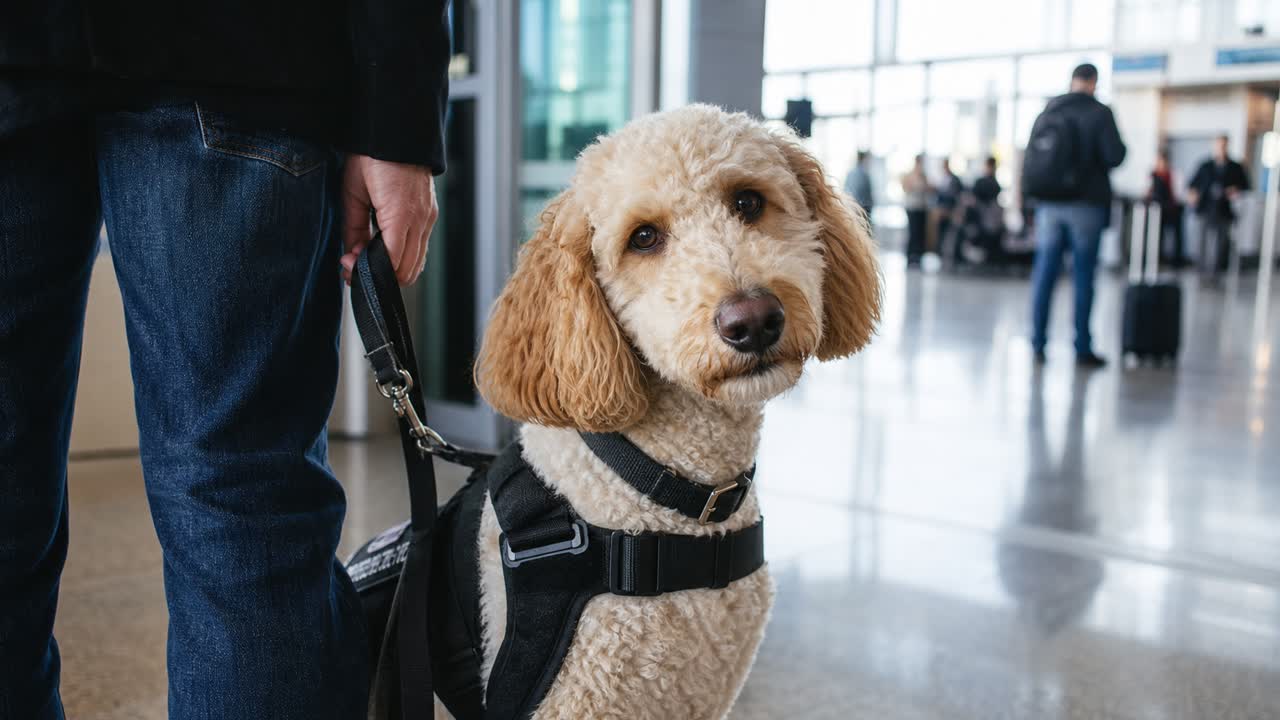
Amusement parks are popular destinations for fun and entertainment, but for individuals who rely on service dogs, navigating these environments can raise important questions. Understanding your rights and responsibilities helps ensure smooth access to amusement parks with a service dog, minimizing stress for both the handler and the animal.
This article provides practical guidance on what to expect when visiting amusement parks with a service dog, including legal considerations, common accommodations, and preparation tips. It is designed to help you confidently plan your visit while respecting park policies and public safety.
Quick Overview
- Under the Americans with Disabilities Act (ADA), service dogs are generally allowed in amusement parks as places of public accommodation.
- Amusement parks may ask only limited questions to verify a dog’s status as a service animal.
- Handlers are responsible for controlling their service dogs and ensuring they do not disrupt other guests.
- Some rides or attractions may have safety restrictions that apply to service dogs.
- Documentation, such as a letter from a qualified healthcare professional, can be helpful but is not legally required for public access.
- Planning ahead and communicating with park staff can reduce friction during entry and throughout the visit.
- Service dogs should be well-trained to behave appropriately in busy, noisy environments.
- Understanding your rights and the park’s policies ensures a respectful experience for everyone.
1) Legal Framework for Amusement Park Access with a Service Dog
The ADA defines a service animal as a dog individually trained to perform tasks for a person with a disability. Amusement parks, as public accommodations, must allow service dogs to accompany their handlers in most public areas. This includes walkways, dining areas, and shops within the park.
However, the ADA permits parks to exclude service dogs if the dog is out of control or not housebroken. Parks may also impose legitimate safety requirements, such as restrictions on certain rides where a dog’s presence could pose a risk.
It is important to note that amusement parks cannot require certification or identification for your service dog to enter, although some handlers find it useful to have a Knowledge Center resource or a letter from a healthcare provider for peace of mind or when interacting with staff.
2) What Questions can Amusement Park Staff Ask?
When verifying a service dog’s status, amusement park employees are limited to two specific questions under ADA guidelines:
- Is the dog a service animal required because of a disability?
- What work or task has the dog been trained to perform?
Staff cannot ask about the nature of the disability, require medical documentation, or demand that the dog demonstrate its tasks. Understanding these limits helps handlers prepare for any interactions and maintain compliance.
3) Preparing Your Service Dog for the Amusement Park Environment
Amusement parks can be crowded, noisy, and full of unpredictable stimuli. Ensuring your service dog is comfortable and well-behaved in these conditions is essential. Consider the following preparation steps:
- Practice obedience and task performance in busy, distracting environments.
- Bring necessary supplies such as water, waste bags, and calming aids if recommended by your veterinarian.
- Use a tracking app or other tools to monitor your dog’s well-being during the visit.
- Plan for rest breaks in quieter areas to avoid overstimulation.
4) Navigating Ride Restrictions and Safety Policies
Some amusement park rides may have safety restrictions that affect service dogs. For example, roller coasters or water rides may not permit dogs due to the risk of injury. It is advisable to check the park’s policies in advance and inquire at guest services upon arrival.
In some cases, handlers may need to arrange alternative care or resting areas for their service dogs while they enjoy certain attractions. Being aware of these limitations helps avoid surprises and ensures the dog’s safety.
5) Housing and Lodging Considerations when Visiting Amusement Parks
If your amusement park visit includes an overnight stay, understanding the housing rules regarding service animals is important. Under the Fair Housing Act, service dogs must be accommodated in hotels and other lodging facilities without additional fees.
Providing documentation from a qualified clinician can facilitate smooth communication with lodging providers. For more detailed guidance, the service check resource offers practical advice on responsible documentation and discussions.
6) Handling Public Interactions and Minimizing Conflicts
Service dog handlers often encounter curious or uninformed members of the public. It is helpful to calmly educate others about your dog’s role and the legal protections in place. Avoid confrontations and focus on positive communication.
Maintaining control of your service dog and promptly addressing any disruptive behavior reduces the likelihood of conflicts with staff or other guests. This approach supports a respectful atmosphere and helps preserve access rights.
7) Record-Keeping and Documentation Best Practices
While not required by law, maintaining records related to your service dog can be beneficial. These may include training logs, a list of tasks the dog performs, and any relevant behavioral evaluations.
Having this information available can assist in discussions with park staff or lodging providers if questions arise. It also reflects responsible ownership and supports your service dog’s ongoing effectiveness.
For related guidance, see our Knowledge Center and service check.
For related guidance, see our tracking app and public access guide.
FAQs
-
Can amusement parks refuse entry to my service dog?
-
They can only refuse if your dog is out of control, not housebroken, or poses a direct threat to safety. Otherwise, service dogs must be allowed access under the ADA.
-
Do I need a certificate or ID for my service dog to enter an amusement park?
-
No, the ADA does not require certificates or IDs. However, some handlers carry documentation for convenience or peace of mind.
-
What if my service dog gets scared or overwhelmed in the park?
-
Plan for rest breaks in quiet areas and bring any calming items your veterinarian recommends. Monitoring your dog’s stress levels is important in busy environments.
-
Are there specific rides where my service dog cannot accompany me?
-
Yes, some rides have safety restrictions that exclude animals. Check with the park ahead of time and ask guest services for guidance.
-
Can amusement park staff ask about my disability?
-
No, they can only ask what tasks the dog performs and if the dog is a service animal, not about your disability itself.
-
How can I prepare my service dog for the noise and crowds?
-
Training in environments with distractions, gradually exposing your dog to crowds, and using a tracking app to monitor your dog’s condition can help.
-
What should I do if someone challenges my service dog’s access?
-
Politely inform them of the ADA protections and, if necessary, ask to speak with management. Keeping documentation handy can also assist.
-
Is it helpful to have a letter from my healthcare provider?
-
While not required for amusement park access, a letter can support your needs in housing or travel situations and provide clarity during discussions.
Sources
Takeaway
- Service dogs are generally allowed in all public areas of amusement parks, with limited exceptions for safety.
- Handlers should be ready to answer only two questions about their dog’s status and tasks.
- Maintaining good training, documentation, and open communication supports smooth access and enjoyment.