
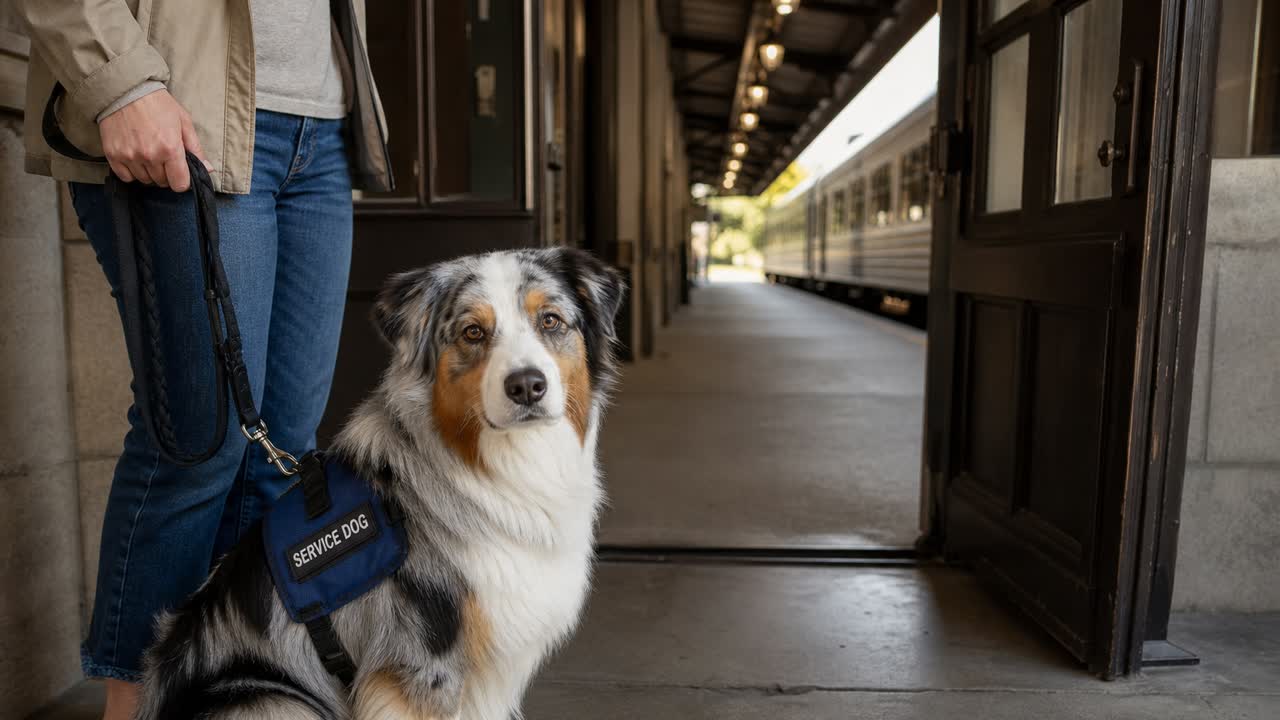
When traveling with a service dog, ensuring their safety in the vehicle is a critical consideration. Using appropriate car safety restraints for service dogs helps protect both the animal and passengers during transit. These restraints can minimize distractions, prevent injury during sudden stops or accidents, and comply with general vehicle safety guidelines.
While the Americans with Disabilities Act (ADA) does not mandate specific restraint types for service animals, responsible handlers should prioritize safety and comfort. This article focuses on practical guidance for selecting and using car safety restraints tailored for service dogs, distinct from emotional support or therapy animals.
Understanding how to balance legal rights with safety responsibilities supports smooth travel experiences, whether for short errands or longer trips.
Quick Overview
- Car safety restraints for service dogs help prevent injury and reduce driver distraction.
- Common restraint options include harnesses, seat belts, crates, and barriers.
- Restraints should fit comfortably and allow the dog to sit or lie down naturally.
- Proper restraint use aligns with general vehicle safety best practices but is not specifically required by ADA regulations.
- Discussing travel plans and restraint needs with your healthcare provider or service dog trainer can improve outcomes.
- Maintaining documentation of your service dog’s training and tasks supports compliance in public and travel settings.
- Understanding allowed questions and documentation requests can reduce friction during travel or public access.
1) Why Use Car Safety Restraints for Service Dogs?
Service dogs perform vital tasks and must be safe during transportation. Unrestrained animals can become projectiles in crashes or sudden stops, risking injury to themselves and vehicle occupants. Additionally, a loose dog may distract the driver, increasing the risk of an accident. Using car safety restraints for service dogs helps maintain focus on driving and ensures the animal’s well-being.
Unlike emotional support animals, service dogs often accompany their handlers in various environments, making reliable travel safety measures essential. While the ADA does not require specific restraints, responsible handlers should consider them part of comprehensive care and risk management.
2) Types of Car Safety Restraints Suitable for Service Dogs
Several restraint options are available, each with pros and cons depending on the dog’s size, behavior, and travel frequency:
- Harness and seat belt attachments: Specially designed harnesses attach to vehicle seat belts, securing the dog while allowing some movement.
- Crates or carriers: Hard or soft crates provide a confined space that can protect the dog during travel.
- Vehicle barriers: Separate the cargo or rear area from the passenger compartment, and are useful for larger dogs.
- Booster seats: For smaller service dogs, booster seats with harness attachments safely elevate the dog.
Choosing the right restraint involves assessing your dog’s comfort, size, and the vehicle’s layout.
3) Legal Considerations and ADA Guidelines
The ADA focuses on ensuring access for individuals with disabilities accompanied by service animals, but does not specify car restraint requirements. However, handlers should be aware of general traffic safety laws that may apply to securing animals during vehicle travel.
For example, some states have laws about restraining pets in cars, which may or may not explicitly include service dogs. It is advisable to comply with these rules while maintaining the dog’s access and comfort.
Review the public access guide for additional context on service dog rights and responsibilities.
4) Preparing Your Service Dog for Car Travel
Training your service dog to remain calm and comfortable while restrained in the vehicle reduces stress for both the dog and handler. Introduce restraints gradually, pairing them with positive reinforcement. Practice short trips before longer journeys to build familiarity.
Maintaining a consistent routine and bringing familiar items, such as blankets or toys, can also ease anxiety.
5) Documentation and Conversations with Landlords or Employers
When traveling for work or relocating, documentation of your service dog’s role and training can facilitate discussions with landlords or employers. While car safety restraints are not typically part of these conversations, demonstrating responsible care—including safe travel practices—can build trust.
Refer to the service check for guidance on preparing and presenting appropriate documentation.
6) Handling Public Access and Travel Friction
Traveling with a service dog may involve questions about the animal’s function or behavior. Under ADA rules, only two questions are permitted: whether a service animal is mandatory due to a disability, and what functions the dog is trained to perform.
Car safety restraints can help prevent situations in which an unrestrained dog might cause concern or distraction, reducing potential friction during travel or in public settings.
For more on behavior expectations, see the behavior screening resource.
7) Maintaining Records and Ongoing Evaluation
Keeping records of your service dog’s training, task performance, and travel experiences supports compliance and preparedness. Regularly evaluate your dog’s comfort with restraints and adjust as needed.
Engaging with qualified clinicians or trainers can provide valuable insights and support your service dog’s role and care.
For related guidance, see our rules guide and service check.
For related guidance, see our public access guide and behavior screening.
FAQs
-
Are car safety restraints for service dogs legally required?
-
The ADA does not require specific restraints for service dogs during car travel, but using them is strongly recommended for safety and to minimize distractions.
-
What types of restraints are safest for service dogs in cars?
-
Harnesses attached to seat belts, crates, and vehicle barriers are common safe options. The best alternative depends on your dog’s size and comfort.
-
Can I refuse to restrain my service dog in the car?
-
While there is no federal mandate, unrestrained animals can pose safety risks. Responsible handlers should use restraints to protect their dog and others.
-
Do I need to show documentation about my service dog when traveling?
-
Generally, no documentation is required for travel, but having records of your dog’s training and tasks may help if questions arise.
-
Will using a restraint affect my service dog’s ability to perform tasks?
-
Properly chosen restraints allow your service dog to remain comfortable and ready to assist you. Training your dog to tolerate restraints helps maintain task performance.
-
Are there restrictions on the size or type of restraint I can use?
-
No specific legal restrictions exist, but restraints should be appropriate to your dog’s size and vehicle type.
-
How can I reduce travel stress for my service dog?
-
Introduce restraints gradually, use familiar items, and keep a calm environment. Regular breaks during long trips also help.
-
Can I use a crate for my service dog in the car?
-
Yes, crates can be a safe option if they are properly secured and sized so your dog can lie down, stand, and turn comfortably.
-
What questions can I expect about my service dog during travel?
-
Under ADA rules, only two questions are allowed: whether a service animal is required due to a disability, and what functions the dog performs.
Sources
- U.S. DOT: Service Animals
- CDC Yellow Book: Traveling with Pets and Service Animals
- CDC: Pet Travel Safety
- ADA.gov: Service Animals FAQ
- ADA.gov: Service Animals
- National Association of the Deaf: Public Accommodations
Takeaway
Using car safety restraints for service dogs is a practical step to protect your service animal and ensure safe travel. While not legally mandated under ADA, responsible handlers prioritize safety and comfort during transportation.
- Choose restraints that fit your dog comfortably and suit your vehicle.
- Train your service dog to accept restraints gradually to reduce stress.
- Maintain documentation of your dog’s training and tasks to support compliance and smooth travel experiences.