
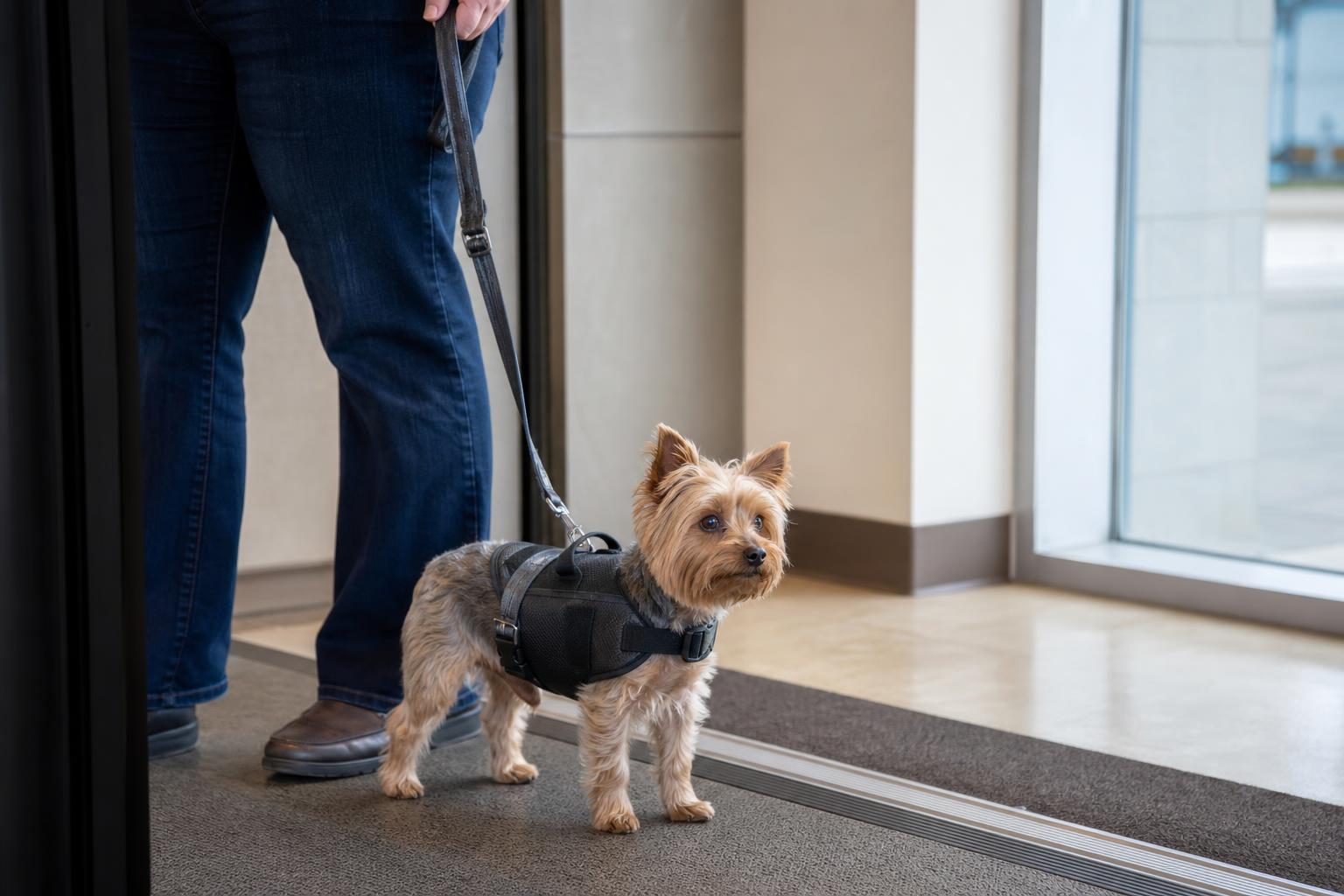
The Yorkshire Terrier service dog is an increasingly popular choice for individuals seeking a small, intelligent, and adaptable service animal. Known for their lively personality and compact size, Yorkshire Terriers can perform a variety of tasks to assist people with disabilities. Whether it’s providing emotional support, alerting to medical conditions, or assisting with mobility, these dogs can be trained to meet specific needs.
While Yorkshire Terriers might not be the first breed that comes to mind for service work, their intelligence and eagerness to please make them excellent candidates for certain service tasks. This article explores the practical aspects of having a Yorkshire Terrier service dog, including training considerations, legal guidelines, and tips for everyday life with your service companion.
Quick Overview
- Yorkshire Terriers are small, intelligent dogs well-suited for certain service tasks.
- They can assist with medical alert, psychiatric support, and some mobility-related tasks. Socialization and consistency in training are key to effective service work.
- Legal protections for service dogs apply regardless of breed or size.
- Service dog certification is not always legally required, but it can be very helpful for organizations.
- Alternative documentation includes training logs, task lists, and letters from healthcare providers.
1) Understanding the Role of a Yorkshire Terrier Service Dog
A Yorkshire Terrier service dog is trained to perform specific tasks that directly assist a person with a disability. These tasks might include alerting to seizures, providing deep pressure therapy for anxiety, or retrieving small items. Unlike emotional support animals, service dogs have a defined set of duties that mitigate their handler’s disability.
Because of their size, Yorkshire Terriers are particularly suited for tasks that do not require physical strength but rather keen awareness and responsiveness. Their alertness and trainability make them excellent companions for psychiatric service work or medical alerts.
2) Training Considerations for Yorkshire Terrier Service Dogs
Training a Yorkshire Terrier to become a reliable service dog requires patience, consistency, and positive reinforcement methods. Early socialization and exposure to various environments help ensure the dog remains calm and focused in public settings.
Key training elements include:
- Task-specific training tailored to the handler’s needs
- Public access behavior to remain calm and non-disruptive
- Desensitization to common distractions
- Regular reinforcement of commands and tasks
Maintaining a training log and task list can be valuable tools for tracking progress and demonstrating the dog’s capabilities when needed.
3) Legal Protections and Public Access Rights
Under the Americans with Disabilities Act (ADA), service dogs can have access to public places regardless of breed or size. This means a Yorkshire Terrier service dog is entitled to the same rights as larger service dogs.
It is important to understand that the ADA does not require service dogs to wear vests, carry identification, or have certificates. However, some handlers choose to carry a doctor’s letter or maintain a task list to help clarify their dog’s role in public settings.
For more detailed information on legal aspects, visit the rules and regulations page.
4) Practical Tips for Living with a Yorkshire Terrier Service Dog
Consider these tips:
- Establish a consistent routine for training and care
- Use positive reinforcement to encourage good behavior
- Keep up with veterinary care, including dental health, which is important for small breeds
- Prepare for travel by reviewing travel advice specific to service animals
5) Documentation and Alternatives to Service Dog Certificates
While some people seek service dog certificates or registration, neither is legally required to have a Yorkshire Terrier service dog. Therefore, practical documentation can also be helpful, such as:
- A message from a licensed healthcare professional verifying the disability and need for a service dog
- Training logs detailing the dog’s task proficiency and behavior
- A task list outlining the specific functions the dog performs
- Program evaluations or training certifications from recognized organizations
6) Common Tasks Performed by Yorkshire Terrier Service Dogs
Yorkshire terriers can be trained to perform a variety of service tasks, including but not limited to:
- Medical alert for conditions such as diabetes or seizures
- Psychiatric support, including interrupting anxiety or panic attacks
- Retrieving small items or alerting to sounds
- Providing deep pressure therapy to calm the handler
The suitability of a Yorkshire terrier for these tasks depends on the individual dog’s temperament and training.
7) Traveling with Your Yorkshire Terrier Service Dog
Traveling with a Yorkshire Terrier service dog can be more convenient because of its small size, but preparation is key. Always check airline policies and public transportation rules regarding service animals.
Helpful steps include:
- Carrying appropriate documentation, such as a healthcare provider’s letter
- Carrying familiar items like a blanket or a favorite toy can reduce stress
- Planning for bathroom breaks and exercise during travel
- Reviewing travel advice to ensure compliance and comfort
FAQs
Q: Can a Yorkshire Terrier be a service dog?
A: Yes, Yorkshire Terriers can be trained as service dogs, especially for tasks that suit their size and temperament, such as medical alerts or psychiatric support.
Q: Is a service dog certificate required for a Yorkshire Terrier service dog?
A: Service dog certificates are not legally required. Alternative documentation, like training logs or a doctor’s letter, can be helpful for organization and peace of mind.
Q: What tasks can a Yorkshire Terrier service dog perform?
A: They can perform tasks such as seizure alert, anxiety interruption, item retrieval, and deep pressure therapy.
Q: Are Yorkshire Terrier service dogs protected under the ADA?
A: Yes, all service dogs, regardless of breed or size, have public access rights under the ADA.
Q: How should I train my Yorkshire Terrier to be a service dog?
A: Consistent, positive reinforcement training focused on specific tasks and public access behavior is essential. Early socialization is also important.
Q: Can I travel with my Yorkshire Terrier service dog?
A: Yes, with proper preparation and documentation, traveling with a Yorkshire terrier service dog is manageable and often easier due to their small size.
Q: Where can I find more information about service dog regulations?
A: Visit the rules and regulations page for detailed guidance.
Sources
- Americans with Disabilities Act (ADA) – Service Animals
- ADA Service Animal Q&A
- HUD Guidance on Assistance Animals
- CDC – Pets and People: Service Animals
Takeaway
Yorkshire Terrier service dogs offer a unique and effective option for individuals who need assistance from a small, intelligent breed. Proper training, documentation, and understanding of legal rights ensure a successful partnership.
- Training and socialization are essential for effective service work.
- Legal protections apply to all service dogs, regardless of breed or size.
- Practical documentation can support your Yorkshire terrier’s role without requiring certificates.
For more insights on service animals, explore the Knowledge Center, living advice, and ESA vs PSA resources.