
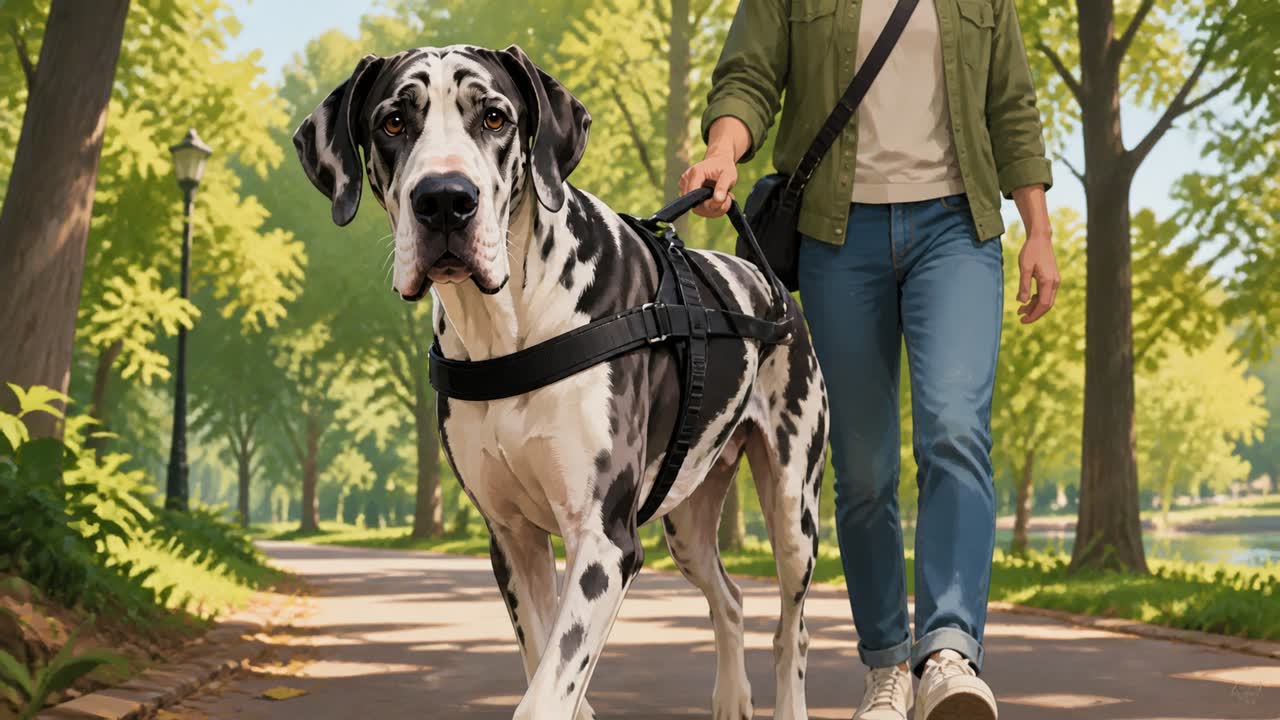
A service dog at salon appointment settings can usually accompany a disabled handler when the salon is open to the public. However, the visit still has to work safely around grooming tools, chemicals, crowded stations, and other customers.
In the U.S., the main question is not whether the dog has a vest, certificate, or registration card. Under the ADA, the practical focus is whether the dog is a service animal trained to perform disability-related tasks and whether it remains under control in the salon environment.
This article is specifically about hair salons, nail salons, barbershops, and similar public-facing personal-care appointments. It is not a guide to housing requests, emotional support animals, or buying paperwork online.
Quick Overview
- Most public salons are places of public accommodation under ADA public-access rules.
- Staff may generally ask only two service-animal questions when the need is not obvious.
- A salon cannot require a certificate, ID card, vest, or registry number as a condition of entry.
- The dog may be excluded if it is out of control, not housebroken, or creates a direct safety problem.
1) Can you Bring a Service Dog at Salon Appointment Check-In?
In many routine situations, yes. A salon that serves the public is generally covered by the ADA public accommodation rules, and a trained service dog may accompany its handler into customer areas where the handler is allowed to go.
The salon does not have to allow the dog into employee-only areas, sterile treatment rooms if separate health rules apply, or any space where the dog’s presence would create a real safety issue. But ordinary concerns such as allergies, fear of dogs, or a preference for “no pets” usually do not override service-dog access.
If you are unsure how your situation fits, a plain-language public access guide can help you separate ADA access from policies that apply to pets, emotional support animals, or optional identification.
2) What Salon Staff may Ask
When the disability-related need is not obvious, salon staff may generally ask two questions: whether the dog is required because of a disability, and what work or task the dog has been trained to perform. They should not ask for your diagnosis, demand medical records, require a demonstration, or insist on a service dog certificate.
You can keep your answer short. For example: “Yes, this is my service dog. She is trained to alert me before a medical episode and help me move to a safe position.” That gives the business the information it is allowed to request without turning the appointment into a medical discussion.
Some handlers choose to carry organized records for peace of mind, such as training notes, a task list, or appointment-related instructions. Those records can be useful for planning and consistency, but they do not replace the ADA definition of a service animal.
3) Plan the Salon Setup before the Appointment
A little preparation can make the appointment calmer for everyone. If you are comfortable doing so, call ahead, let them know that you will be attending with a service dog and would like a station with enough floor space. You do not need to disclose your diagnosis.
Ask whether the salon can avoid placing you directly in a narrow walkway, near a busy shampoo area, or beside chemical mixing stations. For nail appointments, think about fumes, foot traffic, and whether the dog can lie safely under or beside the chair without blocking staff movement.
If the salon has never handled a service-dog visit before, keep the conversation practical. You might say, “My dog will stay tucked beside my chair. I need enough room so she is not in the aisle.” If you want to prepare your own records before the visit, a basic service check can help organize the facts you may need to explain clearly.
4) Behavior Expectations During the Appointment
A service dog does not have to be invisible, but it should be under control. In a salon, that usually means the dog can settle near the handler, avoid sniffing products or customers, ignore dropped hair and towels, and remain steady around dryers, clippers, sprayers, and rolling stools.
The handler is responsible for supervision. The dog should be leashed, harnessed, or otherwise controlled unless that equipment interferes with the dog’s task work or the handler’s disability requires a different method of control.
A salon may ask that the dog be removed if it barks repeatedly, lunges, wanders, has an accident, blocks staff from working safely, or cannot remain in control around equipment. If that happens, the business should still offer the handler service without the animal when possible, such as rescheduling or finishing the appointment after the dog is taken outside.
5) Safety Issues Around Chemicals, Tools, and Other Customers
Salon safety is a two-way responsibility. Handlers should think about where chemicals are stored, whether hot tools could swing near the dog, and whether the dog may be exposed to strong fumes or spilled products. Staff should think about access without treating the service dog as a pet or a disruption by default.
A dog lying under a styling station may be fine for a haircut but unsafe during a color service if products could drip onto the floor. A dog beside a pedicure chair may be manageable, while a dog across a narrow aisle may create a trip hazard.
The best solution is usually a reasonable adjustment to the setup, not a blanket refusal. That could mean using a corner station, choosing a slower appointment time, keeping the dog on the handler’s non-working side, or pausing briefly if the dog needs to reposition.
6) How this Differs from Housing, Travel, and Workplace Requests
A salon visit is a public-access situation. That matters because the documentation rules are different from other settings. Housing requests may involve reasonable accommodation documentation, air travel follows airline and federal transportation rules, and workplace accommodations are handled through an employment process.
For example, a landlord conversation may reasonably involve disability-related documentation when the need is not obvious. That is separate from a salon asking a customer to show a certificate before a haircut. If your issue is not a salon visit but a lease, move to dedicated housing guidance instead.
For broader background on service-animal rules and practical planning, the Knowledge Center can help you keep each setting in its proper lane.
FAQs
Can a salon require proof that my dog is a service dog?
Usually no. For ADA public access, a salon generally cannot require a certificate, ID card, registration document, or medical record before allowing entry with a service dog.
What should I say if asked why I need the dog?
You can answer the two allowed questions briefly: confirm the dog is required because of a disability and describe the trained task. You do not need to name your condition.
Can a service dog at a salon appointment be asked to leave?
Yes, in limited circumstances. A salon may ask for removal if the dog is out of control, not housebroken, or creates a real safety issue that cannot be handled with a practical adjustment.
Do I need to call ahead?
Calling ahead is not always required, but it is often useful. It helps the salon choose a station with enough space and avoid predictable issues around tools, chemicals, or foot traffic.
Can the salon charge a cleaning fee?
A salon should not charge a special fee just because a service dog is present. If a dog causes actual damage, the business may generally apply the same damage rules it applies to other customers.
What if another customer is allergic or afraid of dogs?
Allergies and fear usually are not enough to deny access. The salon may try to separate customers, adjust seating, or schedule spacing so both customers can receive service.
Sources
- ADA.gov: Service Animals
- ADA.gov: Service Animals FAQ
- CDC: Dogs
- CDC: Pet Travel Safety
- HUD: Information for Persons with Disabilities
Takeaway
A salon appointment with a service dog works best when everyone stays focused on access, safety, and calm logistics instead of paperwork myths.
- ADA public-access rules usually allow a trained service dog in customer salon areas.
- Salons may ask limited questions, but they should not demand certificates or registry proof.
- Handlers can reduce friction by planning space, control, and safety around salon equipment.