
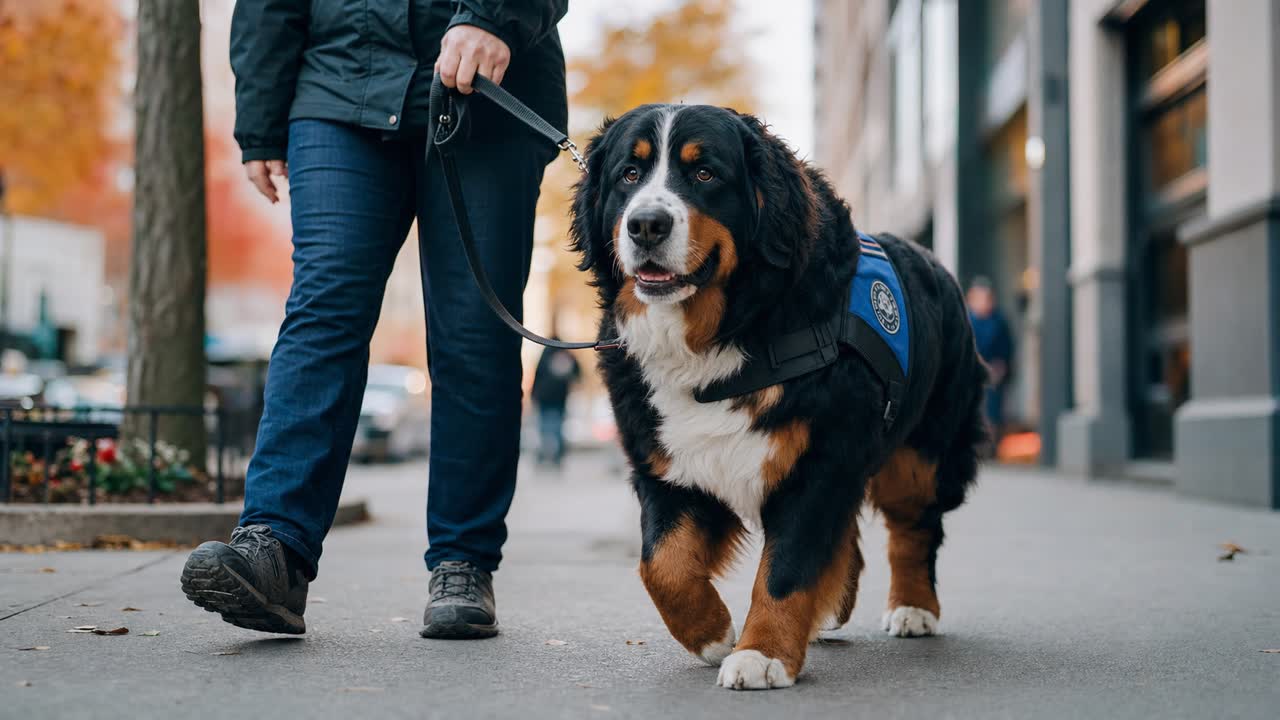
Bringing a service dog to employee training events usually follows the same core U.S. access principles that apply in other workplace settings. Still, the details matter more when the event is off-site, lasts all day, includes meals, or mixes employees with outside vendors. In practice, the goal is not to prove anything with a card or certificate. It is to make sure the dog is task-trained, under control, and able to work safely in that specific training environment.
If you are planning for a service dog at employee training events, think of it as a matter of preparation rather than a matter of confrontation. This topic is narrower than general workplace accommodation requests because training events often involve unfamiliar layouts, seating changes, group activities, travel, and higher levels of distraction.
For most handlers, the best approach is to confirm logistics early, explain only what is necessary, and keep practical records that help reduce friction. A simple plan, calm communication, and reliable dog behavior usually matter more than any optional identification item.
Quick Overview
- A service dog at a training event should be able to stay focused, quiet, and safely positioned for long sessions.
- Employers often need practical details such as seating, break timing, food setup, and emergency procedures.
- You usually do not need a registry, ID card, or certificate to attend with a service dog.
- Good preparation may include vaccination records, a task summary for your own use, and travel or feeding notes.
1) What Matters Most at Employee Training Events
The basic question is whether the dog can work effectively in the actual event conditions. A training room can be harder than a normal office because people move around more, chairs scrape, presenters use microphones, and breaks can get noisy. If the event includes role-play, breakout groups, or buffet lines, those details matter.
That is why a calm, event-specific readiness check is more useful than generic reassurance. Reviewing the Knowledge Center can help you think through the basics of access, but the real test is whether your dog can settle, ignore distractions, and respond reliably throughout the full schedule.
2) How to Prepare before the Event
Reach out early to the person organizing the event or to HR if that is the normal accommodation channel. Keep the message simple: you plan to attend with a trained service dog and want to confirm logistics to ensure the day runs smoothly. You usually do not need to overshare medical details just to start that conversation.
Ask practical questions such as where seating will be, whether there will be tight aisles, whether meals are served in the room, and whether there are outdoor relief areas nearby. If the event is off-site, also ask about parking, elevators, check-in lines, and any shuttle arrangements.
For your own planning, it can help to keep a short checklist in a tracking app or notebook: feeding time, water breaks, medications if any, relief schedule, and any known triggers. That kind of organization is often more useful than optional paperwork because it helps you show that you are planning responsibly.
3) What Employers can Focus on without Making It Adversarial
In workplace settings, accommodation conversations are often handled through internal policies rather than the exact same script used by restaurants or stores. Still, the practical focus should stay the same: what setup allows the employee and the dog to participate safely and effectively?
Helpful employer questions are usually about logistics, not about demanding unnecessary proof. For example, they may need to know whether the dog needs floor space beside a chair, whether a quieter seat location would help, or whether the schedule needs a predictable break window. Some teams also like to review a basic behavior screening standard for event readiness, especially if the training is crowded or public-facing.
If the event includes overnight travel or a hotel stay, the conversation may also touch on transportation and room setup. That does not change the dog’s legal status, but it does make practical planning more important.
4) When Documentation Helps and when It does Not
For a service dog at employee training events, documentation is best viewed as a support tool, not as a magic pass. In many situations, what matters most is that the dog is task-trained and under control. Optional items like a vest or certificate may feel helpful for organization or peace of mind, but they are not the core issue.
More useful records include vaccination information, emergency contact details, a trainer or program evaluation (if you have one), and a private summary of the dog’s trained tasks for your own reference. If your employer has a formal accommodation process, you may also need to respond to reasonable workplace documentation requests through the right channel. A PSA check may be useful as a baseline for preparation, but it should complement, not replace, real training and safe behavior.
5) Common Friction Points During the Event
The biggest problems are usually not legal arguments. They are practical issues: a cramped seating chart, a food station that encourages crowding, another attendee trying to pet the dog, or a trainer who was never told the dog would be present.
It helps to decide in advance how you will handle interruptions. A short, calm response is usually enough: the dog is working, you need space near your chair, or you will step out briefly for a relief break. If the training includes physical demonstrations, team-building games, or loud audiovisual effects, ask whether you can observe from a quieter spot or skip any portion that could pose a safety risk.
Remember that even a legitimate service dog can be asked to leave a specific area if the dog is out of control or not housebroken. That is why rehearsal matters. Long-duration settle behavior can be just as important here as task performance.
6) A Simple Script for a Smoother Day
A short script can keep the conversation focused and professional: “I will be attending with my service dog. I want to confirm seating, break access, and any site logistics so I can participate fully without disruption.” That frames the issue around inclusion and planning rather than debate.
If the event host seems unsure, bring the discussion back to specifics. You can ask for an aisle seat, access to an outdoor relief area, or a heads-up about breakout rooms. If travel is involved, review basic dog health and travel safety practices before the trip to make the day easier on both the handler and the dog.
FAQs
Do I need a certificate for a service dog at employee training events?
Usually, no. In the U.S., a certificate is not generally what determines whether a dog qualifies as a service animal. Practical readiness, trained tasks, and controlled behavior matter more.
Can an employer ask questions before the training?
Yes, especially about logistics and accommodation needs. In a workplace setting, those conversations are often handled through HR or an accommodation process rather than a public-access confrontation.
What if the training is at a hotel or conference center?
Plan for extra friction points such as check-in, elevators, meal service, and crowded hallways. Off-site events often require more advance coordination than a normal office meeting.
Can the dog be excluded from part of the event?
If there is a genuine safety issue or the dog is out of control, a specific restriction may come up. When possible, look for alternatives such as a different seat, a quieter room position, or a modified activity.
Should I bring paperwork anyway?
It can be reasonable to carry practical records like vaccination information, emergency contacts, or internal accommodation correspondence. Those items can help with organization, even if they are not what creates legal access.
Sources
- ADA.gov: Service Animals
- ADA.gov: Service Animals FAQ
- National Association of the Deaf: Public Accommodations
- CDC: Dogs
- CDC: Pet Travel Safety
- HUD: Information for Persons with Disabilities
Takeaway
A service dog at employee training events is usually less about special proof and more about good planning, steady behavior, and clear communication. When the event is off-site or highly interactive, advance coordination can prevent most problems before they start.
- Confirm logistics early, especially seating, breaks, travel, and relief areas.
- Focus on practical records and responsible preparation instead of relying on optional certificates or IDs.
- Keep the dog’s event behavior strong enough for long sessions, noise, food, and group movement.